

C++联合体多类型存储技巧
C++中多类型存储的现代解决方案是std::variant,它通过内置判别器实现类型安全,自动管理对象生命周期,并支持std::visit进行类型安全的多态操作,避免了C风格联合体的手动类型管理和未定义行为风险。
C++中多类型存储的现代解决方案是std::variant,它通过内置判别器实现类型安全,自动管理对象生命周期,并支持std::visit进行类型安全的多态操作,避免了C风格联合体的手动类型管理和未定义行为风险。
C++联合体变体记录是一种在有限内存空间内存储多种不同类型数据的高效策略,它通过在运行时追踪当前存储的数据类型,实现了类型安全的多态存储,是处理异构数据集合时的一个强大工具。
解决方案
在C++中实现多类型存储,我们有几种主要方案,从传统的C风格联合体到现代C++的std::variant,每种都有其适用场景和权衡。
C风格联合体(Raw Union)与手动判别器 这是最底层、最节省内存的方式。一个
union可以容纳其所有成员中占用空间最大的那个成员,但同一时间只能有一个成员是“活跃”的。为了确保类型安全,你需要一个额外的“判别器”(通常是一个enum类型)来记录当前联合体中存储的是哪种类型。enum class DataType { Int, Double, String }; struct MyVariant { DataType type; union { int i; double d; // 对于非平凡类型,如std::string,直接放在union里非常危险, // 需要手动管理其生命周期(placement new/explicit destructor call)。 // 更多时候,我们会放一个指针或固定大小的缓冲区。 // 这里为了演示,假设我们能安全处理(实际生产中需谨慎)。 char str_buf[32]; // 假设字符串最大31字符+null } data; // 构造函数和析构函数需要手动管理data成员的生命周期 MyVariant() : type(DataType::Int) { data.i = 0; } // 默认构造 ~MyVariant() { if (type == DataType::String) { // 假设str_buf是std::string,需要手动调用析构函数 // reinterpret_cast这种方式虽然极致地节省内存,但其类型安全和生命周期管理完全依赖于开发者,极易出错。
std::variant(C++17及更高版本) 这是现代C++推荐的、类型安全的多类型存储方案。std::variant是原始联合体的类型安全封装,它内置了判别器,并自动处理所包含类型的构造和析构。#include
#include #include // 可以存储int, double, 或 std::string std::variant (my_modern_variant) << std::endl; my_modern_variant = 3.14; // 存储一个double std::cout << "Current value: " << std::get (my_modern_variant) << std::endl; my_modern_variant = "Hello, Variant!"; // 存储一个std::string std::cout << "Current value: " << std::get std::variant提供了强大的类型安全保证,并简化了复杂类型的生命周期管理,是大多数场景下的首选。自定义带有判别器的结构体(适用于C++11/14) 在
std::variant出现之前,或者当你有特定需求时,可以手动构建一个包含原始联合体和判别器的结构体,并手动实现其构造、析构和赋值逻辑,以确保类型安全和正确的生命周期管理。这本质上是std::variant的简化版手动实现。#include
#include #include // For placement new enum class MyCustomType { Int, Double, String }; struct CustomVariant { MyCustomType type; union { int i_val; double d_val; char s_buf[sizeof(std::string)]; // 足够存储一个std::string的原始内存 } data; CustomVariant() : type(MyCustomType::Int) { new (&data.i_val) int(0); } // 构造函数:int CustomVariant(int val) : type(MyCustomType::Int) { new (&data.i_val) int(val); } // 构造函数:double CustomVariant(double val) : type(MyCustomType::Double) { new (&data.d_val) double(val); } // 构造函数:std::string CustomVariant(const std::string& val) : type(MyCustomType::String) { new (&data.s_buf) std::string(val); } // 构造函数:std::string (右值引用) CustomVariant(std::string&& val) : type(MyCustomType::String) { new (&data.s_buf) std::string(std::move(val)); } // 析构函数:根据类型手动调用析构 ~CustomVariant() { destroy_current(); } // 拷贝构造函数 CustomVariant(const CustomVariant& other) : type(other.type) { copy_from(other); } // 拷贝赋值运算符 CustomVariant& operator=(const CustomVariant& other) { if (this != &other) { destroy_current(); type = other.type; copy_from(other); } return *this; } // 移动构造函数 CustomVariant(CustomVariant&& other) noexcept : type(other.type) { move_from(std::move(other)); } // 移动赋值运算符 CustomVariant& operator=(CustomVariant&& other) noexcept { if (this != &other) { destroy_current(); type = other.type; move_from(std::move(other)); } return *this; } // 获取值的方法 (需要类型安全检查) template T& get() { // 这里应该有运行时类型检查,如果类型不匹配则抛出异常 if constexpr (std::is_same_v (&other.data.s_buf)); } } // 辅助函数:从other移动 void move_from(CustomVariant&& other) { if (other.type == MyCustomType::Int) { new (&data.i_val) int(std::move(other.data.i_val)); } else if (other.type == MyCustomType::Double) { new (&data.d_val) double(std::move(other.data.d_val)); } else if (other.type == MyCustomType::String) { new (&data.s_buf) std::string(std::move(*reinterpret_cast 这个例子展示了实现一个完整的自定义变体记录所需的复杂性,尤其是当涉及到非平凡类型时。它清晰地揭示了
std::variant在背后为我们做了多少工作。
为什么传统的C++联合体(Union)在多类型存储中存在潜在风险?
传统的C风格联合体,尽管在内存效率上无与伦比,但在多类型存储的场景下,确实隐藏着不少“雷区”。对我个人而言,除非是在极度受限的嵌入式环境,或者与某些古老的C API交互,我几乎不再直接使用裸联合体。它的核心风险在于缺乏内置的类型安全机制。
首先,未定义行为(Undefined Behavior, UB)是最大的隐患。联合体本身并不知道当前存储的是什么类型。如果你向联合体写入了一个int,然后试图以float的类型去读取它,那么恭喜你,你触发了UB。编译器对此束手无策,程序行为将变得不可预测,可能导致崩溃,也可能悄无声息地产生错误数据,这在调试时简直是噩梦。
其次,非平凡类型(Non-trivial types)的处理是另一个痛点。如果联合体的成员是带有自定义构造函数、析构函数或赋值运算符的类(比如std::string),那么直接将它们放在联合体中,联合体本身并不会自动调用这些特殊的成员函数。这意味着你需要手动使用placement new来构造对象,并在不再需要时手动调用析构函数。这种手动管理生命周期的做法,代码冗长且极易出错,稍有不慎就会导致内存泄漏或双重释放。
再者,缺乏统一的接口和维护复杂性。当联合体中包含多种类型时,你通常需要一个外部的enum判别器来指示当前活跃的类型。对联合体进行操作时,你不得不编写大量的switch语句来根据判别器执行不同的逻辑。随着类型数量的增加,这些switch语句会变得越来越庞大和难以维护。每次增加或修改类型,都需要修改所有相关的switch分支,这无疑增加了代码的脆弱性。这种“手动挡”的操作方式,虽然提供了极致的控制力,但代价是极高的开发和维护成本。
std::variant如何成为C++多类型存储的现代解决方案?
std::variant自C++17引入以来,彻底改变了C++中多类型存储的范式。它就像是给传统的裸联合体穿上了一层坚固的、智能的“盔甲”,完美解决了裸联合体的诸多痛点,成为我个人在大多数场景下处理异构数据集合的首选。
std::variant最核心的优势在于其内置的类型安全机制。它内部维护了一个判别器,始终知道当前存储的是哪种类型。你不能错误地以double类型去获取一个实际存储着int的variant,因为std::get会在编译时或运行时进行类型检查,如果类型不匹配,会抛出std::bad_variant_access异常,而不是导致未定义行为。这使得代码更加健壮和可预测。
另一个巨大的改进是它自动管理所包含对象的生命周期。无论你存储的是int、double还是复杂的std::string、自定义类,std::variant都会在赋值时自动调用新类型的构造函数,并在切换类型或variant自身析构时,自动调用旧类型的析构函数。这完全消除了手动管理placement new和显式析构函数的繁琐和潜在错误,大大降低了开发者的心智负担。
std::visit是std::variant的另一个杀手级特性。它提供了一种优雅、类型安全的方式来对variant中存储的任何类型执行操作,完美替代了冗长的switch语句。你可以传递一个函数对象、lambda表达式或重载函数集给std::visit,它会根据variant的当前活跃类型,自动调用对应的处理逻辑。这不仅让代码
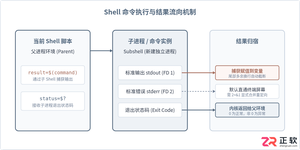
详细讲解在Shell脚本中执行命令并获取执行结果的常用方法,涵盖标准输出捕获、退出状态码判断、错误流重定向、多行结果处理及常见避坑要点。
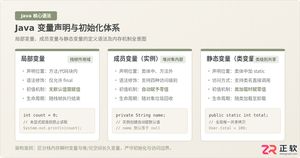
系统解析Java局部变量、成员变量与静态变量的定义语法、声明与初始化机制、生命周期及JVM内存驻留规则,结合图解与代码示例分析常见编译错误与认知误区。
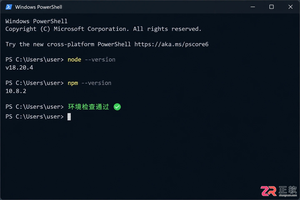
详解如何在Windows 10/11上安装Claude Code。涵盖WSL与Git Bash终端选择、Node.js版本检查、npm全局安装步骤、身份验证流程及claude doctor诊断方法,帮助开发者快速搭建本地AI编码助手。
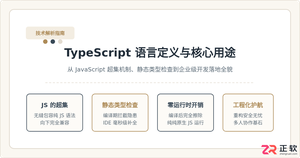
深入浅出解析TypeScript是什么语言。本文详细介绍TypeScript的语言定义、超集架构、核心运行原理、与JavaScript的核心对比以及四类典型工业级应用场景,帮助读者全面看懂TS的价值与用途。

详解如何在 Windows 电脑上通过 Microsoft Store 安装 Codex 桌面应用,包括启动登录、切换 Codex 模式、关联本地代码项目及终端环境配置的界面操作指引。
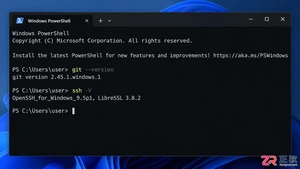
本文详解如何在Windows环境中使用PowerShell生成SSH密钥对,配置ssh-agent自动加载私钥,并将公钥安全添加至GitHub账户,最后通过git remote set-url切换为SSH地址,解决每次操作需输入账号密码的问题。
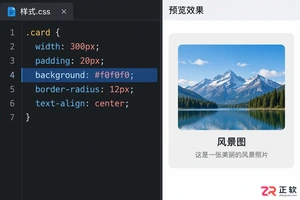
深入解析backdrop与background在网页开发及视觉设计中的区别。通过CSS代码示例,展示如何正确使用background设置元素背景,以及利用backdrop-filter创建弹窗遮罩模糊效果,避免概念混用。
详解 Windsurf IDE 在 Windows 系统的下载来源、安装步骤及首次启动界面。指导用户如何导入编辑器设置、打开项目文件夹及使用终端与 AI 功能,适合初次接触该工具的开发者阅读。
新手入门 ServBay 本地开发环境,详解安装包下载、Dashboard 状态监控、Packages 组件安装、Services 服务控制及 Websites 项目配置。掌握 .servbay.config 版本管理与日志排查技巧,快速搭建稳定的 PHP、Node.js 等多语言开发环境。



WPS Office是一款面向macOS用户的综合办公套件,将文字处理、电子表格、演示文稿、PDF工具、模板与云协作整合在同一应用中。它兼容常见Microsoft Office格式,支持Intel及Apple芯片Mac,基础功能可免费使用,

Shapr3D是一款面向工业设计、机械工程、建筑概念和三维打印工作流的CAD软件。Mac版采用Parasolid建模内核,支持草图约束、实体建模、工程图、可视化渲染及常见CAD格式交换,并可通过账户在多台设备之间同步项目。

REAPER是Cockos开发的数字音频工作站,提供多轨音频与MIDI录制、剪辑、处理、混音和母带制作工具。Mac版兼容Intel与Apple芯片,支持AU、VST、VST3、CLAP等插件格式,并提供高度可定制的工作流程。

Adobe Photoshop 是面向摄影师、设计师和内容创作者的专业图像处理工具,可在 Windows 上完成照片修饰、选区抠图、图层合成、文字排版、绘画及生成式编辑。软件采用订阅授权,由 Creative Cloud 管理安装、更新与许

Adobe InDesign 是面向印刷与数字出版的专业页面排版工具,可制作书籍、杂志、宣传册、海报、交互式 PDF 和电子书。它提供精细的文字样式、多页面管理、印前检查及多格式输出能力,并能与 Photoshop、Illustrator

Adobe Illustrator 是用于绘制矢量图形、插画、图标、徽标和版式的专业设计工具。它以路径和锚点为核心,作品放大后仍能保持清晰,并提供画板、文字、渐变、图像描摹及精确变换等功能,适合品牌视觉、印刷物料、数字界面和商业插画创作。