

C++单例模式实现方法详解
在C++中实现单例模式可以通过静态成员变量和静态成员函数来确保类只有一个实例。具体步骤包括:1.使用私有构造函数和删除拷贝构造函数及赋值操作符,防止外部直接实例化。2.通过静态方法getInstance提供全局访问点,确保只创建一个实例。3.为了线程安全,可以使用双重检查锁定模式。4.使用智能指针如std::shared_ptr来避免内存泄漏。5.对于高性能需求,可以使用静态局部变量实现。需要注意的是,单例模式可能导致全局状态的滥用,建议谨慎使用并考虑替代方案。
在C++中实现单例模式可以通过静态成员变量和静态成员函数来确保类只有一个实例。具体步骤包括:1. 使用私有构造函数和删除拷贝构造函数及赋值操作符,防止外部直接实例化。2. 通过静态方法getInstance提供全局访问点,确保只创建一个实例。3. 为了线程安全,可以使用双重检查锁定模式。4. 使用智能指针如std::shared_ptr来避免内存泄漏。5. 对于高性能需求,可以使用静态局部变量实现。需要注意的是,单例模式可能导致全局状态的滥用,建议谨慎使用并考虑替代方案。

在C++中实现单例模式是许多开发者经常遇到的问题。单例模式确保一个类只有一个实例,并提供一个全局访问点来访问这个实例。这个模式在一些场景下非常有用,比如日志记录、配置管理等。让我来详细解释一下如何实现,以及其中可能遇到的问题和优化方案。
实现单例模式的核心在于控制类的实例化过程。我们需要确保无论如何调用,类的构造函数都只被调用一次。我们可以使用静态成员变量和静态成员函数来实现这一点。
让我们来看一个基本的实现:
class Singleton {
private:
    static Singleton* instance;
    Singleton() {} // 私有构造函数,防止外部直接实例化

    // 禁止拷贝构造和赋值操作
    Singleton(const Singleton&) = delete;
    Singleton& operator=(const Singleton&) = delete;

public:
    static Singleton* getInstance() {
        if (instance == nullptr) {
            instance = new Singleton();
        }
        return instance;
    }

    ~Singleton() {
        delete instance;
        instance = nullptr;
    }
};

Singleton* Singleton::instance = nullptr;
这个实现有几个关键点:
- 私有构造函数确保外部无法直接创建实例。
getInstance静态方法提供全局访问点,确保只创建一个实例。- 删除拷贝构造函数和赋值操作符,防止不必要的拷贝。
- 静态成员变量
instance存储唯一的实例。
然而,这种实现存在一些问题和改进空间:
- 线程安全性:在多线程环境下,
getInstance方法可能导致竞争条件。为了解决这个问题,我们可以使用双重检查锁定模式:
class Singleton {
private:
    static Singleton* instance;
    static std::mutex mutex;

    Singleton() {}

    Singleton(const Singleton&) = delete;
    Singleton& operator=(const Singleton&) = delete;

public:
    static Singleton* getInstance() {
        if (instance == nullptr) {
            std::lock_guard lock(mutex);
            if (instance == nullptr) {
                instance = new Singleton();
            }
        }
        return instance;
    }

    ~Singleton() {
        delete instance;
        instance = nullptr;
    }
};

Singleton* Singleton::instance = nullptr;
std::mutex Singleton::mutex;
双重检查锁定模式确保在多线程环境下也能安全地创建单例实例。
- 内存泄漏:在上述实现中,如果单例对象的生命周期与程序一致,那么可能不需要手动删除。但是,如果需要在程序运行期间销毁单例对象,我们需要考虑如何安全地释放资源。一种方法是使用智能指针:
class Singleton {
private:
    static std::shared_ptr instance;
    static std::mutex mutex;

    Singleton() {}

    Singleton(const Singleton&) = delete;
    Singleton& operator=(const Singleton&) = delete;

public:
    static std::shared_ptr getInstance() {
        if (instance == nullptr) {
            std::lock_guard lock(mutex);
            if (instance == nullptr) {
                instance = std::shared_ptr(new Singleton());
            }
        }
        return instance;
    }
};

std::shared_ptr Singleton::instance = nullptr;
std::mutex Singleton::mutex;
使用 std::shared_ptr 可以自动管理内存,避免手动删除实例带来的风险。
- 性能考虑:在高性能需求的场景下,延迟实例化的方式可能不够理想。一种替代方案是使用静态局部变量:
class Singleton {
private:
    Singleton() {}

    Singleton(const Singleton&) = delete;
    Singleton& operator=(const Singleton&) = delete;

public:
    static Singleton& getInstance() {
        static Singleton instance;
        return instance;
    }
};
这种方法利用了C++11标准中静态局部变量的线程安全性,简化了代码并保证了性能。
在实际应用中,单例模式需要谨慎使用,因为它可能导致全局状态的滥用,降低代码的可测试性和可维护性。使用单例模式时,建议:
- 明确单例模式的使用场景,确保它确实是解决问题的最佳方式。
- 考虑使用依赖注入等替代方案,以避免全局状态的问题。
- 仔细评估单例模式对系统扩展性的影响。
通过这些方法和思考,我们可以在C++中高效、安全地实现单例模式,同时避免常见的陷阱和性能问题。
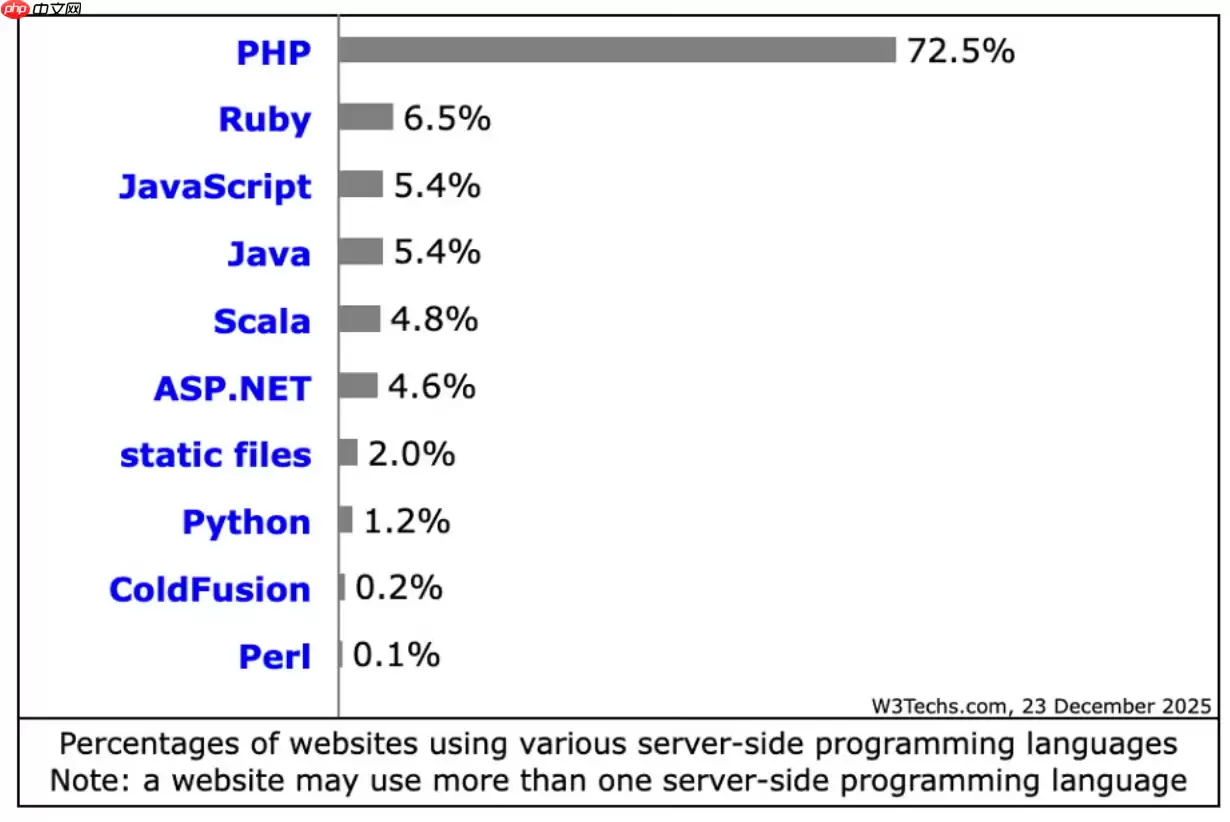
PHP在2026年仍适用于现代网站构建,在常规Web服务和内容密集型站点中较Python、Java等保持优势。其JIT编译优化性能,安全补丁及时,全面支持云原生,拥有成熟框架生态,整体成本较低。
在Debian系统上为PHP配置SSL加密,通常涉及以下几个步骤:安装SSL证书:首先,你需要一个SSL证书。你可以从Let’s Encrypt免费获取,或者购买一个商业证书。使用Let’s Encrypt:sudo apt updatesudo apt install certbotsudo ce

在Linux服务器上,若要使用ThinkPHP框架进行备份,一般会涉及到以下这些方面:数据库备份:使用mysqldump或mysql命令行工具来备份数据库。示例命令:mysqldump -u username -p database_name > backup_database.sql这将生成一个S
在Linux服务器上查看PHP错误日志的方法如下:首先,得找到PHP错误日志文件所在的位置。一般来说,它会在/var/log/php或者/var/log/apache2目录下。当然啦,你也可以通过下面这个命令来找到它:php --ini在输出的信息中,找到"ErrorLog"一行,它会显示错误日志文
在Linux系统下配置PHP以支持SSL,通常需要以下几个步骤:1. 安装PHP和SSL模块首先,确保你已经安装了PHP以及相关的SSL模块。你可以使用包管理器来安装这些软件包。在Debian/Ubuntu上:sudo apt updatesudo apt install php php-ssl在C
在Linux下配置PHP连接MySQL,你需要确保已经安装了PHP和MySQL,并且它们都在运行。接下来,请按照以下步骤操作:安装PHP MySQL扩展:对于PHP 7.x,你需要安装php-mysql扩展。在终端中运行以下命令:sudo apt-get updatesudo apt-get ins
想要通过配置PHP-FPM(FastCGI进程管理器)来加快网站响应速度,需要从多个方面入手,比如调整进程管理参数、优化PHP代码、启用OPcache等等。下面就为大家详细介绍一些关键步骤和实用建议。1. 调整PHP-FPM进程管理参数1.1 增加进程数根据服务器的CPU和内存资源,适当增加PHP-
手把手教你在Linux服务器上配置PHP一 安装与基础检查更新索引并安装所需组件(以 Ubuntu/Debian 为例):安装 Web 与 PHP:sudo apt update && sudo apt install nginx php-fpm php-mysql php-cli php-gd p
Veitool后台框架ThinkPHP版v2.3.5发布,核心升级至ThinkPHP8.1.4,性能与兼容性提升。集成JWT认证,自动生成令牌及RSA密钥对;新增可选RSA加密传输,增强数据安全;fileLibrary增加复制所选文件链接功能。

介绍 LabEx在线PHP演练场,为用户打造了一个完备的在线PHP环境。在这里,用户无需在本地进行任何配置,就能畅享完整的PHP开发体验。这是一个功能多样的平台,无论是Web开发者、系统管理员,还是学生群体,它都能满足需求,为大家探索和实验PHP及Web技术,提供了绝佳的空间。 使用 LabEx 在






Windows 10 是一款微软推出的经典操作系统,拥有硬件兼容性与多任务处理能力。它更偏向把系统状态查看和常用调节动作放在一起,适合需要持续观察和微调设备状态的场景。

极度公式是一款跨平台专业LaTeX公式识别编辑软件,支持OCR公式识别和多平台编辑。和使用说明,避免使用,享受完整功能与稳定支持。做扫描整理、文字提取和表格转换时,它能把识别后的处理步骤接得更顺,资料录入这类场景会省下不少时间。