

Flask路由多阶段失败处理技巧
本文介绍如何在Flask中优雅处理含多个潜在失败点的复杂路由逻辑,避免嵌套try-except,通过全局错误处理器、自定义异常和职责分离实现高可维护性与标准化错误响应。

本文介绍如何在 Flask 中优雅处理含多个潜在失败点的复杂路由逻辑,避免嵌套 try-except,通过全局错误处理器、自定义异常和职责分离实现高可维护性与标准化错误响应。
本文介绍如何在 Flask 中优雅处理含多个潜在失败点的复杂路由逻辑,避免嵌套 try-except,通过全局错误处理器、自定义异常和职责分离实现高可维护性与标准化错误响应。
在构建业务逻辑较重的 Flask API(如数据清洗、第三方服务调用、数据库写入、文件生成等)时,一个典型路由常需串联执行多个强依赖步骤:validate_input() → fetch_external_data() → transform_payload() → save_to_db() → send_notification()。若任一环节失败,不仅需返回语义明确的 HTTP 状态码(如 400 Bad Request、502 Bad Gateway、500 Internal Error),还需附带结构化错误信息(如 { "error": "user_not_found", "message": "User ID 123 does not exist" })。此时,逐层包裹 try-except 不仅冗余难读,更违背关注点分离原则,且易遗漏异常类型或误吞关键调试信息。
✅ 推荐结构:三层解耦 + 全局异常拦截
核心思想是将流程控制、业务逻辑与错误呈现彻底分离:
- 路由函数保持简洁:只负责接收请求、调用主业务流程、返回成功响应;
- 业务流程封装为纯函数链:各步骤抛出领域特定异常(非裸 Exception);
- 全局注册异常处理器:统一捕获、日志记录、格式化为标准 JSON 响应。
? 示例:结构化路由与自定义异常
# exceptions.py
class ValidationError(Exception):
    status_code = 400

class ExternalServiceError(Exception):
    status_code = 502

class DatabaseError(Exception):
    status_code = 500

# services.py
def validate_user_id(user_id: str) -> int:
    if not user_id.isdigit():
        raise ValidationError("Invalid user ID format")
    uid = int(user_id)
    if uid <= 0:
        raise ValidationError("User ID must be positive")
    return uid

def fetch_user_profile(uid: int) -> dict:
    # 模拟外部 API 调用
    if uid == 999:
        raise ExternalServiceError("Profile service unavailable")
    return {"id": uid, "name": f"User-{uid}"}

def generate_report(profile: dict) -> bytes:
    if not profile.get("name"):
        raise DatabaseError("Incomplete profile data")
    return f"REPORT for {profile['name']}".encode()

# routes.py
from flask import Blueprint, request, jsonify
from .services import validate_user_id, fetch_user_profile, generate_report
from .exceptions import ValidationError, ExternalServiceError, DatabaseError

bp = Blueprint("report", __name__)

@bp.route("/report/")
def get_user_report(user_id):
    uid = validate_user_id(user_id)               # 可能抛出 ValidationError
    profile = fetch_user_profile(uid)             # 可能抛出 ExternalServiceError
    report_data = generate_report(profile)        # 可能抛出 DatabaseError
    return jsonify({"status": "success", "data": report_data.decode()})
?️ 全局异常处理器(推荐放在 app.py 或中间件模块)
# app.py
from flask import Flask, jsonify, request
import logging

app = Flask(__name__)

# 统一错误处理器 —— 按异常类型精准匹配
@app.errorhandler(ValidationError)
def handle_validation_error(e):
    logging.warning(f"Validation failed: {e}")
    return jsonify({"error": "validation_failed", "message": str(e)}), 400

@app.errorhandler(ExternalServiceError)
def handle_external_error(e):
    logging.error(f"External service error: {e}")
    return jsonify({"error": "service_unavailable", "message": "Upstream dependency is down"}), 502

@app.errorhandler(DatabaseError)
def handle_db_error(e):
    logging.error(f"Database error: {e}")
    return jsonify({"error": "database_error", "message": "Failed to persist data"}), 500

# 捕获未显式声明的其他异常(兜底)
@app.errorhandler(Exception)
def handle_unexpected_error(e):
    logging.critical(f"Unexpected error: {type(e).__name__}: {e}", exc_info=True)
    return jsonify({"error": "internal_error", "message": "An unexpected error occurred"}), 500
⚠️ 关键注意事项
- 绝不捕获通用 Exception 在业务函数内:这会掩盖真正问题,破坏异常传播链;
- 异常类应携带 status_code 属性:便于处理器动态获取状态码,提升复用性;
- 日志级别要区分:ValidationError 用 warning(用户输入问题),DatabaseError 用 error(系统级故障);
- 避免在处理器中做重试或修复逻辑:异常处理器只负责“响应”,不负责“恢复”;
- 配合 OpenAPI/Swagger 时:为每类自定义异常添加对应 4xx/5xx 响应定义,提升 API 文档质量。
这种模式已被 Flask 社区广泛采用(如 Flask-RESTx、Connexion 等框架底层均基于类似思想),它显著提升代码可测试性(各服务函数可独立单元测试)、可观测性(结构化日志+HTTP 状态码)与团队协作效率(错误语义统一,前端可精准处理不同 error code)。真正的健壮性,不在于防御每一行代码,而在于建立清晰、可预期、可演进的错误契约。
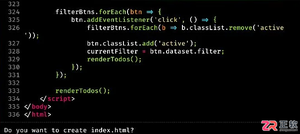
了解 Claude Code 的基础交互流程,包括文件生成确认、使用 /compact 管理对话上下文、通过 CLAUDE.md 设定项目规则以及调用技能复用输出格式,提升开发协作效率。

详细介绍在 Visual Studio 2022 中关闭编辑器垂直滚动条代码缩略图(地图模式)的具体操作方法,包含右键快捷路径与全局选项设置,帮助恢复紧凑清晰的传统滚动条。
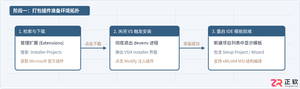
详细介绍在 Visual Studio 2022 中使用官方 Microsoft Visual Studio Installer Projects 扩展生成 Windows 桌面应用程序安装包(.msi / setup.exe)的完整操作步骤与配置细节。
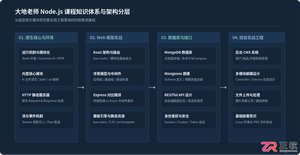
客观全面评析大地老师的Node.js教程:从技术栈覆盖、实战讲解风格到局限短板与进阶路径,帮助初学者和前端开发者客观评估是否适合自身学习需求。
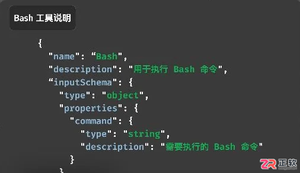
在为大模型Agent接入外部工具时,是选择MCP的结构化参数定义,还是使用CLI的通用命令入口?本文通过图片筛选与上传的实际案例,分析两种方式在上下文开销、任务组合效率及安全风险上的差异,提供选型参考。
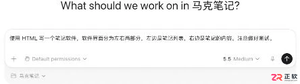
初次接触Codex不知从何下手?本文通过一个具体的HTML笔记应用案例,带你走完从建立项目、输入需求、批准执行到验收结果的完整流程,快速掌握Codex的基础使用方法。

学习如何通过结构化测试、精准断言和参数化设计提升JUnit测试效率,避免常见陷阱,实现高质量、可维护的单元测试代码。
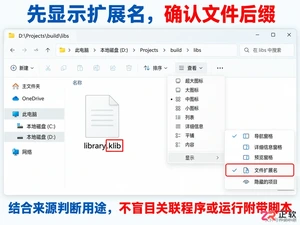
遇到.klib文件打不开?它通常是Kotlin/Native的库文件而非普通文档。本文教你如何在Windows下确认文件来源、安全查看内部结构,以及开发者如何正确使用klib工具,避免误操作。

学习如何在Vue项目中设置文件上传格式限制。本文介绍使用HTML accept属性进行基础过滤,以及结合JavaScript进行严格后缀名校验的方法,确保只允许指定类型的文件被上传。
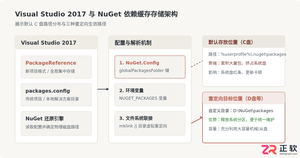
本文详细介绍在Visual Studio 2017中修改NuGet包全局缓存存放路径的实用方案,包括修改全局NuGet.Config文件、配置系统环境变量以及利用NTFS目录联接进行透明迁移,并提供验证与旧缓存清理步骤。





火山引擎是字节跳动旗下企业级云与AI服务平台。聚焦大模型核心能力,依托字节自研豆包多模态大模型,凭借火山方舟一站式平台,提供模型精调、推理部署、智能应用搭建等全链路服务,结合高性能AI算力,助力各行业快速落地大模型数字化与智能化应用。


Autodesk Maya 是面向影视、电视、动画和游戏行业的专业三维制作软件,集多边形与 NURBS 建模、角色绑定、关键帧和动作捕捉动画、Bifrost 特效模拟、材质开发及 Arnold 渲染于一体,
火山引擎是字节跳动旗下企业级云与AI服务平台。聚焦大模型核心能力,依托字节自研豆包多模态大模型,凭借火山方舟一站式平台,提供模型精调、推理部署、智能应用搭建等全链路服务,结合高性能AI算力,助力各行业快速落地大模型数字化与智能化应用。


