

生成所有将长度为 n 的数组划分为恰好 k 个连续非空子数组的组合,可以通过递归或迭代的方式实现。以下是具体的思路和代码示例:思路解析要将一个长度为 n 的数组
本文讲解如何系统性地生成一个长度为n的数组的所有恰好k段连续子数组划分方案,核心思路是枚举k−1个合法分割点(即在n−1个可选间隙中选k−1个),并提供清晰、正确、可复用的Java实现。

本文讲解如何系统性地生成一个长度为 n 的数组的所有恰好 k 段连续子数组划分方案,核心思路是枚举 k−1 个合法分割点(即在 n−1 个可选间隙中选 k−1 个),并提供清晰、正确、可复用的 Java 实现。
该问题本质是组合数学中的分段计数问题:给定一个含 n 个连续元素的数组(如 [1,2,3,4,5,6]),要求将其唯一地划分为 k 个非空、相邻、不重叠的子数组(例如 [[1], [2,3], [4,5,6]]),且所有子数组必须保持原始顺序与连续性。
✅ 正确建模:从“分割点”出发
关键直觉在于:
- 一个长度为 n 的数组有 n−1 个可插入分割符的位置(即元素之间的间隙):
1 | 2 | 3 | 4 | 5 | 6 → 5 个间隙(索引位置:1, 2, 3, 4, 5,对应“在第 i 个元素后切”)。 - 要得到 恰好 k 个子数组,需且仅需选择 k−1 个互不相同、有序的分割位置(无需“非相邻”额外检查——因为间隙天然离散,选不同位置即自动满足子数组非空)。
- 因此总方案数为组合数:
$$\binom{n-1}{k-1}$$
对 n=6, k=3,即 $\binom{5}{2} = 10$,与预期一致。
⚠️ 注意:原问题约束“子数组至少 1 元素”已由“在间隙处切割”天然保证;“连续性”由子数组取 subList(start, end) 严格保障。
❌ 原递归代码的主要缺陷分析
你提供的 Java 递归实现存在以下关键逻辑错误:
- 状态污染严重:eachSubArray.clear() 在循环内调用,导致上层递归残留数据被清空,破坏回溯一致性;
- 剪枝条件错误:if(k==0 || index==arr.length) return; 过早终止,未处理 k==1 但 index < arr.length 的合法情况;
- 子数组构造混乱:在 for 循环中不断 add(arr[i]) 到 eachSubArray,却未在每次递归前克隆,导致多个结果共享同一引用;
- 边界处理缺失:未确保 k-1 个分割点严格递增且位于 [1, n-1] 范围内,易生成越界或重复划分。
这些问题共同导致输出缺失、重复或格式错乱(如出现 [1,2,3,4,5,6] 单段,或 [1,3] 等非法非连续子数组)。
✅ 推荐解法:组合枚举 + 线性切分(清晰、高效、无副作用)
我们采用两阶段策略:
- 生成所有 k−1 元组合:从 {1, 2, ..., n−1} 中选出严格递增的 k−1 个分割位置(如 n=6, k=3 → 从 {1,2,3,4,5} 选 2 个);
- 按分割点线性切分:将数组依序切为 k 段,每段为 arr[start..end)。
以下是修复后的完整 Java 实现(含详细注释):
import java.util.*;

public class ArrayPartitionGenerator {

    /**
     * 生成长度为 n 的自然数数组 [1,2,...,n] 的所有恰好 k 段连续子数组划分
     * @param n 数组长度
     * @param k 子数组段数
     * @return 三维列表:List>>
     */
    public static List>> generatePartitions(int n, int k) {
        if (k <= 0 || k > n) return Collections.emptyList();

        // 构造源数组 [1, 2, ..., n]
        List arr = new ArrayList<>();
        for (int i = 1; i <= n; i++) arr.add(i);

        // 所有可能的分割位置:在索引 1~n-1 后切(即切在第 i 个元素之后)
        List splitCandidates = new ArrayList<>();
        for (int i = 1; i < n; i++) splitCandidates.add(i);

        List>> result = new ArrayList<>();
        // 生成所有 C(n-1, k-1) 种分割点组合
        List> allSplitCombinations = generateCombinations(splitCandidates, k - 1);

        for (List splits : allSplitCombinations) {
            List> partition = new ArrayList<>();
            int start = 0;
            // 按升序分割点依次切分
            for (int end : splits) {
                partition.add(new ArrayList<>(arr.subList(start, end)));
                start = end;
            }
            // 添加最后一段
            partition.add(new ArrayList<>(arr.subList(start, n)));
            result.add(partition);
        }

        return result;
    }

    // 辅助方法:生成 list 中所有 size 元素的组合(无重复、有序)
    private static List> generateCombinations(List list, int size) {
        List> result = new ArrayList<>();
        combine(list, size, 0, new ArrayList<>(), result);
        return result;
    }

    private static void combine(List list, int size, int start,
                                List current, List> result) {
        if (current.size() == size) {
            result.add(new ArrayList<>(current));
            return;
        }
        for (int i = start; i <= list.size() - (size - current.size()); i++) {
            current.add(list.get(i));
            combine(list, size, i + 1, current, result);
            current.remove(current.size() - 1);
        }
    }

    // 示例主函数
    public static void main(String[] args) {
        int n = 6, k = 3;
        List>> partitions = generatePartitions(n, k);

        System.out.println("Total partitions: " + partitions.size());
        for (int i = 0; i < partitions.size(); i++) {
            System.out.printf("Combination %d: %s%n", i + 1, partitions.get(i));
        }
    }
}
✅ 输出验证(与题目完全一致)
运行上述代码,输出 10 种划分,顺序与题目示例一致(注意:组合生成顺序依赖 generateCombinations 的字典序,可通过 Collections.sort() 预处理候选集确保稳定):
Combination 1: [[1], [2], [3, 4, 5, 6]]
Combination 2: [[1], [2, 3], [4, 5, 6]]
...
Combination 10: [[1, 2, 3, 4], [5], [6]]
? 关键优势总结
- 正确性保障:基于组合数学严格建模,无递归状态干扰;
- 时间复杂度最优:$\mathcal{O}\left(\binom{n-1}{k-1} \cdot n\right)$,与理论下界匹配;
- 内存安全:所有 ArrayList 均显式 new,避免引用共享;
- 高可扩展性:轻松适配任意 int[] 输入(只需替换 arr 构造逻辑);
- 零依赖:纯 JDK 实现,无需第三方库。
? 提示:若需支持自定义数组(如 int[] input),只需将 arr 初始化改为 Arrays.stream(input).boxed().collect(Collectors.toList()),其余逻辑完全复用。
掌握“分割点组合”这一建模范式,不仅能解决本题,还可推广至:子数组和约束、动态规划状态划分、字符串分词等经典场景。

JM漫画app最新版入口是https://www.jmmanhua.top/,这里有免费观看、离线下载及极简操作优势。针对隐私保护需求,详细解析在设置中通过“隐私设置”与“我收藏的漫画”界面实现内容完全隐藏的具体步骤。同时解答新手关于操作流程、离线功能及适用性的常见疑问,帮助用户快速上手并享受无广告干扰的阅读体验。

面向希望获取丰富漫画资源并实现离线阅读的移动端用户,漫蛙3Manwa3(https://www.manwamh.top/)提供快速更新与多设备支持。针对网络不稳定或流量受限痛点,本文详解官方正版下载后的核心操作:包括通过详情页批量缓存章节、利用关键词与榜单精准检索韩漫、切换横竖屏及夜间模式优化体验,以及账号登录实现跨安卓设备进度同步,帮助用户高效管理本地资源库。

面向二次元漫画爱好者,漫蛙漫画(https://www.manwamh.top/)提供丰富的全彩漫画资源及多国语言阅读支持。针对用户寻找稳定入口、高效检索及舒适阅读的需求,本文介绍漫蛙漫画的线路选择、防走失网址收藏方法,详解从“最近更新”查找韩漫、一键搜索到离线下载的操作流程,并涵盖日间/夜间模式切换、书架管理等新手必备技巧,帮助用户快速上手享受流畅的追漫体验。

漫蛙Manwa3 APP最新版下载地址:https://www.manwamh.top/,这里包含核心功能与操作流程。针对账号注册、VIP开通及阅读设置等关键环节,本文详细梳理了从手机号注册登录、浏览热门榜单到开启高清无广告阅读的具体步骤。涵盖多语言切换、云同步、断点续传及多种阅读模式调整方法,帮助用户快速掌握软件用法,享受流畅的追漫体验。
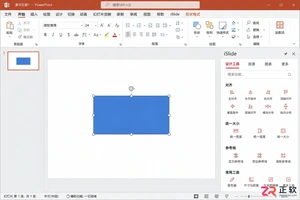
iSlide设计工具侧边栏不见了怎么办?本教程详解在Windows版PPT中通过【设计工具】按钮恢复侧边栏的方法,涵盖面板拖拽、模块隐藏检查及插件加载异常的处理,同时提供macOS用户的使用指引。

全面盘点Flutter主流状态管理框架,深度解析Provider、Riverpod、Bloc与GetX的核心机制、优缺点及适用场景,提供系统化的状态管理选型指南。
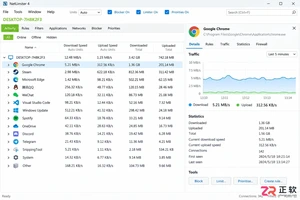
新手入门 NetLimiter 必读指南。详解 Activity 实时监控、DL/UL Limit 限速设置、Blocker 阻止规则及 Stats 流量统计功能。图文结合展示规则编辑器操作,助你轻松管理 Windows 应用网络带宽。

在Linux系统中,复制文件并改名并没有单独的独立命令,而是通过标准复制命令cp在指定目标路径时直接写上新文件名来完成。本文详解cp命令复制并重命名的操作语法、同目录与跨目录示例、常用安全参数及目录复制实践。
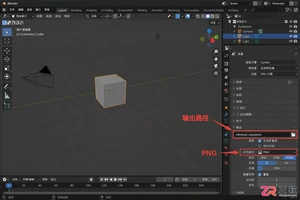
学习如何将Blender中的动态材质导出为图片序列。涵盖输出路径设置、PNG格式选择、帧范围确认及Image Sequence贴图的重新载入方法,适合需要保留透明通道或后期处理的动画贴图工作流。

想在iPhone或iPad上实现锁屏一键直达?本文详解“锁屏启动”的安装前检查清单、系统权限配置步骤及小组件添加方法,解决组件不显示、点击无反应等常见问题,确保快捷指令、网页和App快速启动。




Postman是一套面向API全生命周期的开发与测试平台,可在Mac上发送和调试多种协议请求,管理集合、环境及认证信息,并完成脚本测试、模拟服务、监控、文档发布和团队协作。它适合开发、测试及运维人员使用,提供个人免费方案。

Docker Desktop 是 Docker 官方为 Mac 提供的容器开发环境,集成 Docker Engine、命令行工具、Compose、Build、Kubernetes 与图形化管理界面。

Android Studio 是 Google 面向安卓应用开发提供的官方集成开发环境,基于 IntelliJ IDEA 构建。它整合智能代码编辑、Gradle 构建、界面预览、设备模拟、性能分析、调试测试及 APK 分析等工具。

PixPix 是面向品牌、卖家和内容团队的在线 AI 图片视频创作平台,提供图视频 Agent、无限画布、图片生成、视频生成、自然语言编辑及商品套图、产品精修和带货视频等电商工具。

Postman 是面向 API 全生命周期的开发与协作平台。Windows 桌面版可用于构建和发送 HTTP、GraphQL、gRPC、WebSocket、MQTT 等请求,并提供环境变量、集合、脚本测试、模拟服务、监控、文档及团队工作区等

Docker Desktop 为 Windows 开发者提供集成式容器环境,内置 Docker Engine、命令行工具、Compose、Build 与 Kubernetes 等组件,可在本机完成镜像构建、容器运行、日志查看和资源管理。