

Java Record ArrayList 多字段排序方法
本文详解如何在不修改record定义的前提下,对ArrayList<UserCourseSubscriptionRec>按userId升序、startDate降序进行稳定排序,涵盖Comparator链式构建、LocalDate替代过时Date的最佳实践,以及实现Comparable的可选方案。
本文详解如何在不修改 record 定义的前提下,对 ArrayList
按 userId 升序、startDate 降序进行稳定排序,涵盖 Comparator 链式构建、LocalDate 替代过时 Date 的最佳实践,以及实现 Comparable 的可选方案。
本文详解如何在不修改 record 定义的前提下,对 `ArrayList
Java 14 引入的 record 是不可变、简洁且语义明确的数据载体,但其不可继承、无默认构造器等特性常让开发者误以为难以定制排序逻辑。实际上,得益于函数式编程支持和 Comparator 的增强能力,对 record 列表进行多级排序不仅可行,而且非常优雅。
✅ 推荐方案:使用 Comparator.comparing() 链式构建(无需修改 record)
这是最灵活、解耦性最强的方式——完全不侵入 record 定义,适用于任何已有 record 或第三方 record 类型:
import java.time.LocalDate;
import java.util.ArrayList;
import java.util.Comparator;

// ✅ 建议:将 Date 替换为 LocalDate(更安全、不可变、线程友好)
public record UserCourseSubscriptionRec(
    Integer userId,
    String userFirstName,
    String userLastName,
    Integer courseId,
    String courseName,
    LocalDate startDate,  // ← 替换为 LocalDate
    LocalDate endDate
) {}ArrayListlist = new ArrayList<>(...); // 构建复合比较器:先按 userId 升序,再按 startDate 降序 Comparator comparator = Comparator.comparing(UserCourseSubscriptionRec::userId) .thenComparing(UserCourseSubscriptionRec::startDate, Comparator.reverseOrder()); // 直接原地排序(Java 8+ ArrayList.sort()) list.sort(comparator);
? 关键点说明:
- Comparator.comparing() 默认按自然顺序(ascending);
- thenComparing(..., Comparator.reverseOrder()) 显式指定二级字段为降序;
- list.sort() 是就地排序(in-place),时间复杂度 O(n log n),稳定且高效。
⚠️ 注意事项与最佳实践
避免使用 java.util.Date:该类已废弃(@Deprecated),存在线程不安全、时区模糊、API 设计反直觉等问题。务必改用 java.time.LocalDate(仅日期)、LocalDateTime(日期+时间)或 Instant(时间戳)。若必须兼容旧系统,可临时用 Date.from(localDate.atStartOfDay(ZoneId.systemDefault()).toInstant()) 转换,但不推荐作为 record 字段。
null 安全处理(重要!):若 userId 或 startDate 可能为 null,需显式防御:
Comparator.comparing( UserCourseSubscriptionRec::userId, Comparator.nullsLast(Integer::compareTo) ) .thenComparing( UserCourseSubscriptionRec::startDate, Comparator.nullsFirst(Comparator.reverseOrder()) );性能提示:链式 Comparator 在 Java 9+ 经过深度优化,无额外对象开销,与手写 compare() 方法性能几乎一致。
? 可选方案:让 record 实现 Comparable(适合全局统一排序)
若该 record 在整个项目中始终按此规则排序,可直接实现 Comparable 接口(record 允许 implements):
public record UserCourseSubscriptionRec(
    Integer userId,
    String userFirstName,
    String userLastName,
    Integer courseId,
    String courseName,
    LocalDate startDate,
    LocalDate endDate
) implements Comparable {

    @Override
    public int compareTo(UserCourseSubscriptionRec other) {
        // 一级:userId 升序
        int cmp = Integer.compare(this.userId, other.userId);
        if (cmp != 0) return cmp;

        // 二级:startDate 降序 → 交换参数顺序实现 reverse
        return other.startDate.compareTo(this.startDate); // 注意:other 在前
    }
}
调用方式极简:
list.sort(null); // null 表示使用元素自身的 Comparable 实现
// 或等价于
Collections.sort(list);
? 提示:sort(null) 比 sort(Comparator.naturalOrder()) 更语义清晰,且避免了不必要的 Comparator 对象创建。
✅ 总结
| 方案 | 适用场景 | 是否修改 record | 灵活性 | 推荐指数 |
|---|---|---|---|---|
| Comparator 链式构建 | 一次性/条件化排序、多策略共存 | ❌ 否 | ⭐⭐⭐⭐⭐ | ★★★★★ |
| Comparable 实现 | 全局默认排序逻辑明确且稳定 | ✅ 是 | ⭐⭐⭐ | ★★★☆☆ |
无论选择哪种方式,优先使用 java.time 类型替代 Date 是现代 Java 开发的硬性规范。排序本身只是表层操作,背后体现的是对不可变性、函数式组合与类型安全的尊重——而这,正是 record 与 Comparator 协同设计的真正价值。
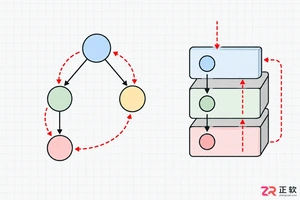
解析PHP递归函数在树形数据处理中的性能瓶颈,提供预加载数据消除I/O、使用显式栈替代深层递归的实战方案,帮助开发者在代码可读性与执行效率间做出合理取舍。

详细讲解在Java单元测试中如何使用Mockito模拟依赖对象,包括引入依赖、创建Mock、打桩返回值、行为验证以及Mock与Spy的核心差异和常见陷阱排查。
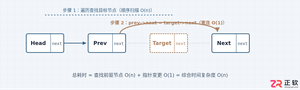
详细分析链表删除节点的时间复杂度,深入探讨单链表与双向链表在不同已知前提下的查找与删除开销,并结合完整代码与清晰图解进行对比总结。
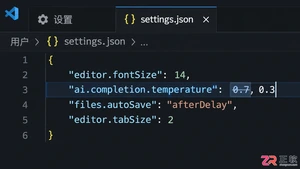
想知道如何让AI写出的代码更贴合你的习惯?本文手把手教你在VS Code中调整Codex相关模型参数,通过修改配置文件优化温度值和令牌限制,解决代码建议不准确或响应慢的问题。
通过实测展示Claude Code在终端中如何理解自然语言指令、自动修改代码文件并处理复杂编程任务,帮助开发者评估其实际辅助能力。
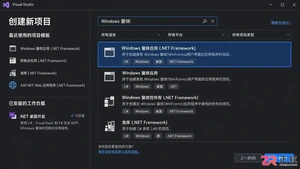
本教程详细讲解如何使用Visual Studio创建WinForms项目,通过添加按钮和标签控件并编写点击事件代码,实现一个基础的计数器功能,适合C#初学者快速上手Windows窗体应用开发。
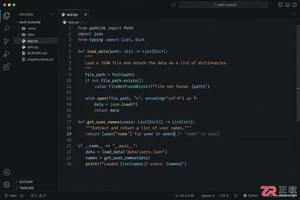
详解Cursor编辑器中自动补全功能的开启与优化设置,涵盖Tab触发机制、上下文窗口调整及模型切换,帮助开发者解决补全延迟、干扰大等问题,提升编码流畅度。
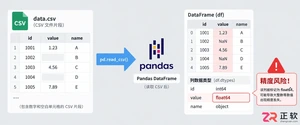
详解Pandas中数据格式转换的核心方法,包括astype强制转换、to_numeric容错处理及日期解析技巧,解决常见类型错误并提升数据处理效率。
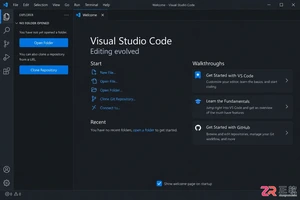
详细介绍在Visual Studio Code中安装Chinese (Simplified)语言包的方法,包括通过扩展市场搜索、安装及自动重启切换至简体中文界面的完整步骤,帮助开发者快速将编辑器本地化。
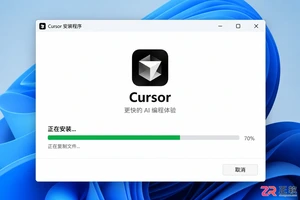
针对Cursor安装包默认锁定C盘且无路径选择界面的问题,提供通过手动移动文件并创建目录联结(Symbolic Link)的解决方案,实现将软件安装在其他磁盘分区。




Photoshop 2026 是 Adobe 推出的专业图像处理与视觉设计软件,支持 Windows、macOS 和 iPad 等平台,广泛应用于摄影修图、电商设计、平面海报、数字绘画及视觉合成等创作场景。

Blender 是一款免费开源、跨平台的专业 3D 创作软件,集建模、动画、渲染、视频编辑与视觉合成等功能于一体,广泛应用于影视动画、游戏设计和建筑可视化等领域。软件支持 Cycles 物理渲染器与 Eevee 实时渲染引擎,并提供多边形建模、骨骼绑定、物理模拟等专业工具。Blender 兼容 Windows、macOS 和 Linux 系统,安装包轻巧、运行流畅,依托活跃的全球开发者社区持续更新,是从初学者到专业创作者都值得选择的正版 3D 创作工具。

Photoshop 2026 是 Adobe 推出的专业图像处理与视觉设计软件,支持 Windows、macOS 和 iPad 等平台,广泛应用于摄影修图、电商设计、平面海报、数字绘画及视觉合成等创作场景。
Blender 是一款免费开源、跨平台的专业 3D 创作软件,集建模、动画、渲染、视频编辑与视觉合成等功能于一体,广泛应用于影视动画、游戏设计和建筑可视化等领域。软件支持 Cycles 物理渲染器与 Eevee 实时渲染引擎,并提供多边形建模、骨骼绑定、物理模拟等专业工具。Blender 兼容 Windows、macOS 和 Linux 系统,安装包轻巧、运行流畅,依托活跃的全球开发者社区持续更新,是从初学者到专业创作者都值得选择的正版 3D 创作工具。