

Django-Q2 实现模型方法定时任务方法
在Django-Q2中,直接将模型实例方法(如self.run_function)作为定时任务的func或hook会导致序列化失败,因其绑定方法无法跨进程反序列化;正确做法是使用字符串路径引用独立函数,并通过kwargs传递实例ID进行上下文重建。

在 Django-Q2 中,直接将模型实例方法(如 self.run_function)作为定时任务的 func 或 hook 会导致序列化失败,因其绑定方法无法跨进程反序列化;正确做法是使用字符串路径引用独立函数,并通过 kwargs 传递实例 ID 进行上下文重建。
在 Django-Q2 中,直接将模型实例方法(如 `self.run_function`)作为定时任务的 `func` 或 `hook` 会导致序列化失败,因其绑定方法无法跨进程反序列化;正确做法是使用字符串路径引用独立函数,并通过 `kwargs` 传递实例 ID 进行上下文重建。
Django-Q2 的 Schedule 机制要求任务函数必须是可导入的、无状态的模块级函数,即以 'package.module.function_name' 形式的点分字符串(dotted string) 表示。而 self.run_function 是一个绑定到具体模型实例的 bound method,在任务被 worker 进程反序列化时,该实例已不存在,Python 无法重建其 self 上下文,因此抛出 Function is not defined 错误。
相比之下,async_task() 在当前进程上下文中立即序列化并入队,可能仍持有对活动对象的弱引用或临时状态,故偶发成功——但这属于未定义行为,不可靠且不适用于持久化定时任务。
✅ 正确解决方案:将逻辑解耦至 tasks.py,使用字符串路径注册任务,并通过 kwargs 传递关键参数(如模型 ID):
# models.py
from django.db import models

class TestApp(models.Model):
    cron = models.CharField(max_length=200)
    args = models.CharField(max_length=200)
    test_function = models.ForeignKey('TestFunction', on_delete=models.CASCADE)
    scheduled_task = models.ForeignKey(
        'django_q.Schedule',
        blank=True,
        null=True,
        on_delete=models.SET_NULL,
        related_name='+'
    )

    def get_args(self):
        import ast
        return ast.literal_eval(self.args)

    def save(self, *args, **kwargs):
        # 删除旧调度(可选)
        if self.scheduled_task:
            self.scheduled_task.delete()

        # 创建新 Schedule,使用字符串路径 + 实例 ID
        self.scheduled_task = Schedule.objects.create(
            func='test_app.tasks.run_function',      # ✅ 模块级函数路径
            hook='test_app.tasks.print_task',       # ✅ 同样为字符串路径
            schedule_type=Schedule.CRON,
            cron=self.cron,
            kwargs={'TestApp_id': self.id}          # ✅ 传递唯一标识,供任务内重建实例
        )
        super().save(*args, **kwargs)
# tasks.py(位于 test_app/ 目录下)
from test_app.models import TestApp
def run_function(**kwargs):
"""执行实际业务逻辑"""
test_app_id = kwargs['TestApp_id']
try:
test_app = TestApp.objects.get(pk=test_app_id)
except TestApp.DoesNotExist:
raise RuntimeError(f"TestApp with id {test_app_id} not found")
# 动态导入并调用目标函数
import ast
import importlib
module = importlib.import_module(test_app.test_function.library_name)
func = getattr(module, test_app.test_function.function_name)
result = func(*test_app.get_args())
print(f"[Task] Executed for TestApp {test_app_id}: {result}")
# 返回结构化结果,供 hook 使用
return {
'result': result,
'TestApp_id': test_app_id
}
def print_task(task):
"""Hook 函数:接收 task 对象,提取 run_function 的返回值"""
if task.success and isinstance(task.result, dict):
app_id = task.result.get('TestApp_id')
result_val = task.result.get('result')
print(f"[Hook] TestApp {app_id} completed → {result_val}")
else:
print(f"[Hook] Task {task.name} failed or returned invalid result")⚠️ 注意事项:
- tasks.py 必须位于 Django 可识别的应用目录中(如 test_app/tasks.py),且模块路径需与 INSTALLED_APPS 中注册的应用名一致;
- hook 函数签名固定为 hook(task),其中 task 是 django_q.models.Task 实例,其 result 属性即 func 的返回值;
- 避免在 run_function 中直接操作未保存的模型实例或依赖请求上下文(如 request)——定时任务无 HTTP 上下文;
- 建议为 run_function 添加异常捕获与日志记录,防止单个失败任务阻塞整个调度队列;
- 若需更高可靠性,可在 run_function 开头加锁(如基于 TestApp.id 的 Redis 锁),防止同一实例被并发触发。
通过这种解耦设计,既满足 Django-Q2 对函数可序列化的要求,又保持了业务逻辑与模型职责的清晰分离,是生产环境中推荐的标准实践。
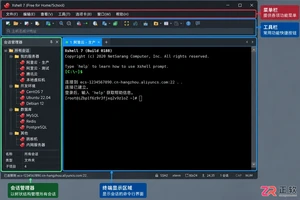
新手如何正确使用 Xshell?本文详解 Xshell 客户端安装、SSH 会话建立、主机密钥验证及远程终端命令执行步骤。涵盖密码与密钥认证设置、多标签管理及安全退出规范,帮助初学者在 Windows 环境下安全连接并管理 Linux 服务器。
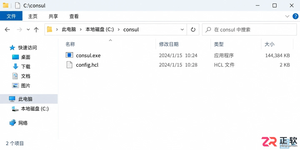
详解 Consul 在 Windows 下的安装步骤,包括环境变量配置、HCL 配置文件编写、-dev 开发模式验证及正式代理启动方法,帮助开发者快速搭建本地服务发现环境。
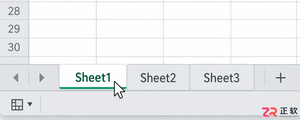
想知道WPS表格工作表怎么重命名?本文详解双击与右键两种操作方法,并深入分析在公式引用、多人协作及模板场景下的命名规范与注意事项,助你提升表格管理效率。
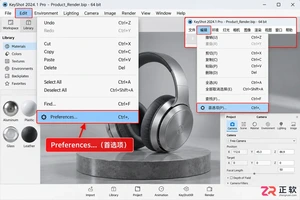
找不到KeyShot首选项?本文图解Windows和macOS下的菜单入口,分步讲解界面、导航、渲染性能及文件路径的关键设置,助你高效定制KeyShot工作环境。
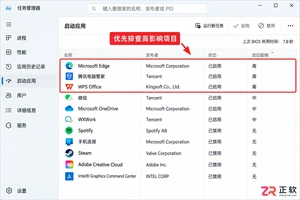
Windows 11开机慢怎么办?本教程详解如何通过任务管理器管理启动应用,使用msconfig隐藏微软服务排查第三方冲突,并通过干净启动法定位拖慢系统的程序,安全提升开机速度。
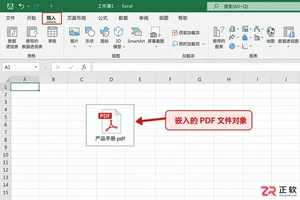
想在Excel表格里直接附带合同或文档?本文详解桌面版Excel“插入-对象”功能,教你如何将文件嵌入工作簿并显示为图标,方便管理与发送,避免附件遗漏。
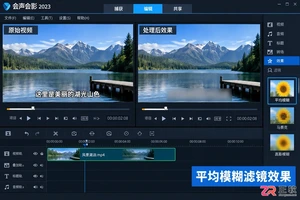
学习在会声会影中通过覆叠轨和平均模糊滤镜消除视频硬字幕。包含复制素材、调整模糊强度、设置局部遮罩及效果验证的详细步骤,帮助降低字幕可读性而不影响主体画面。
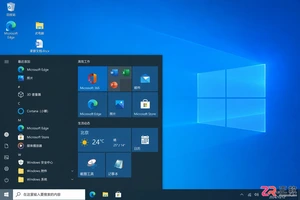
装系统时选家庭版还是专业版?本文通过日常办公、开发虚拟化、数据加密等具体场景,解析Windows 10两个版本的真实差异,帮你避免为不用的功能付费,并明确激活与授权的关键注意事项。

无需专业摄影棚,使用PixPix只需3步即可将白底商品图生成摄影级场景图。本文详解主体准备、提示词编写及局部修正技巧,帮助电商卖家快速制作高质量主图与详情页素材。

竖版短视频底部常有硬字幕,直接裁剪易破坏构图。本教程介绍在会声会影中利用裁剪工具、纯色覆盖层、分段剪辑及关键帧跟踪技术去除底部字幕的方法,适用于不同镜头运动场景,确保画面自然且无残留文字。



Postman是一套面向API全生命周期的开发与测试平台,可在Mac上发送和调试多种协议请求,管理集合、环境及认证信息,并完成脚本测试、模拟服务、监控、文档发布和团队协作。它适合开发、测试及运维人员使用,提供个人免费方案。
Docker Desktop 是 Docker 官方为 Mac 提供的容器开发环境,集成 Docker Engine、命令行工具、Compose、Build、Kubernetes 与图形化管理界面。

Android Studio 是 Google 面向安卓应用开发提供的官方集成开发环境,基于 IntelliJ IDEA 构建。它整合智能代码编辑、Gradle 构建、界面预览、设备模拟、性能分析、调试测试及 APK 分析等工具。

PixPix 是面向品牌、卖家和内容团队的在线 AI 图片视频创作平台,提供图视频 Agent、无限画布、图片生成、视频生成、自然语言编辑及商品套图、产品精修和带货视频等电商工具。

Postman 是面向 API 全生命周期的开发与协作平台。Windows 桌面版可用于构建和发送 HTTP、GraphQL、gRPC、WebSocket、MQTT 等请求,并提供环境变量、集合、脚本测试、模拟服务、监控、文档及团队工作区等
Docker Desktop 为 Windows 开发者提供集成式容器环境,内置 Docker Engine、命令行工具、Compose、Build 与 Kubernetes 等组件,可在本机完成镜像构建、容器运行、日志查看和资源管理。