

Go 中如何正确模拟(Mock)结构体方法:接口隔离与依赖注入实践
在Go中无法通过继承式子类化来覆盖方法,因此需借助接口抽象和组合依赖注入实现可测试性;本文详解如何将易变行为提取为接口,并通过构造时注入不同实现完成单元测试。

在 Go 中无法通过继承式子类化来覆盖方法,因此需借助接口抽象和组合依赖注入实现可测试性;本文详解如何将易变行为提取为接口,并通过构造时注入不同实现完成单元测试。
在 Go 中无法通过继承式子类化来覆盖方法,因此需借助接口抽象和组合依赖注入实现可测试性;本文详解如何将易变行为提取为接口,并通过构造时注入不同实现完成单元测试。
Go 语言摒弃了传统面向对象中的继承机制,转而强调组合与接口契约。这意味着你无法像 Java 或 Python 那样“重写”父类方法来实现运行时替换——例如问题中试图通过嵌入 *foo 并重定义 largeInt() 来影响 largerInt() 的行为,最终失败的根本原因在于:方法调用是静态绑定到接收者类型上的,嵌入仅提供方法提升(method promotion),不改变 foo.largerInt() 内部对 this.largeInt() 的绑定目标。
在原始代码中:
func (this *foo) largerInt() int {
    return this.largeInt() + 10 // 此处的 this 是 *foo 类型,永远调用 foo.largeInt()
}
即使 myB 是 *mockFoo,当调用 myB.largerInt() 时,由于 mockFoo 自身没有定义 largerInt(),Go 会提升 foo.largerInt(),而该方法内部的 this 是 *foo 实例(即 myB.foo),因此仍调用 foo.largeInt(),而非 mockFoo.largeInt()。
✅ 正确解法:将可变行为抽象为接口,并通过组合注入依赖
核心思想是:让 foo 不直接依赖自身实现,而是依赖一个可替换的接口。以下是推荐的重构方式:
1. 定义行为接口
type IntGenerator interface {
    largeInt() int
}
2. 将依赖作为字段嵌入结构体
type foo struct {
    generator IntGenerator
}

// 构造函数支持注入不同实现
func NewFoo(gen IntGenerator) *foo {
    return &foo{generator: gen}
}

// 使用注入的依赖,而非硬编码调用自身方法
func (f *foo) largerInt() int {
    return f.generator.largeInt() + 10
}
3. 提供默认实现与 Mock 实现
type stdGenerator struct{}

func (stdGenerator) largeInt() int {
    return 42
}

type mockGenerator struct{}

func (mockGenerator) largeInt() int {
    return 43
}
4. 在测试与生产环境中分别注入
func main() {
    // 生产环境:使用默认实现
    normal := NewFoo(&stdGenerator{})
    fmt.Println(normal.largerInt()) // 输出 52

    // 测试环境:注入 Mock
    mocked := NewFoo(&mockGenerator{})
    fmt.Println(mocked.largerInt()) // 输出 53
}
? 关键优势:
- ✅ 彻底解耦行为逻辑与结构体生命周期;
- ✅ largerInt() 可被完整单元测试(无需启动外部服务或访问真实资源);
- ✅ 符合 Go 的“接受接口,返回结构体”设计哲学;
- ✅ 避免反射、代码生成等复杂方案,保持简洁与可维护性。
⚠️ 注意事项:
- 不要试图“打桩”(patch)方法或使用全局变量模拟——这违背 Go 的显式依赖原则,且难以并发安全;
- 若原结构体已有大量状态和方法,可逐步迁移:先为待测方法提取接口,再重构接收者依赖;
- 在 go test 中,Mock 实现通常定义在 _test.go 文件中,避免污染生产代码。
总结:Go 中的“Mock”不是模拟对象,而是控制依赖流向。通过接口抽象 + 构造注入,你获得的不仅是可测试性,更是更清晰的职责边界与更强的演进韧性。
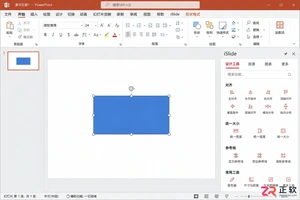
iSlide设计工具侧边栏不见了怎么办?本教程详解在Windows版PPT中通过【设计工具】按钮恢复侧边栏的方法,涵盖面板拖拽、模块隐藏检查及插件加载异常的处理,同时提供macOS用户的使用指引。
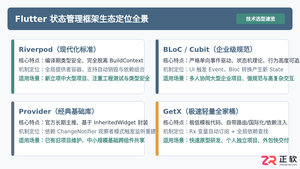
全面盘点Flutter主流状态管理框架,深度解析Provider、Riverpod、Bloc与GetX的核心机制、优缺点及适用场景,提供系统化的状态管理选型指南。
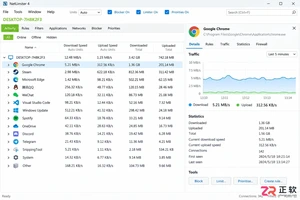
新手入门 NetLimiter 必读指南。详解 Activity 实时监控、DL/UL Limit 限速设置、Blocker 阻止规则及 Stats 流量统计功能。图文结合展示规则编辑器操作,助你轻松管理 Windows 应用网络带宽。
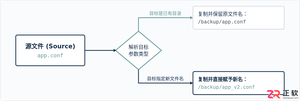
在Linux系统中,复制文件并改名并没有单独的独立命令,而是通过标准复制命令cp在指定目标路径时直接写上新文件名来完成。本文详解cp命令复制并重命名的操作语法、同目录与跨目录示例、常用安全参数及目录复制实践。
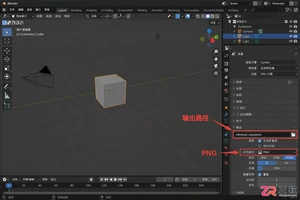
学习如何将Blender中的动态材质导出为图片序列。涵盖输出路径设置、PNG格式选择、帧范围确认及Image Sequence贴图的重新载入方法,适合需要保留透明通道或后期处理的动画贴图工作流。
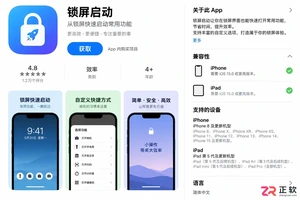
想在iPhone或iPad上实现锁屏一键直达?本文详解“锁屏启动”的安装前检查清单、系统权限配置步骤及小组件添加方法,解决组件不显示、点击无反应等常见问题,确保快捷指令、网页和App快速启动。

学习如何在Blender中使用HDRI进行渲染。通过World着色器连接Environment Texture节点,调整光照强度与环境方向,解决背景显示与曝光问题,快速提升场景真实感。
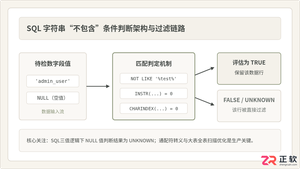
深入详解在SQL中进行条件判断字符串不包含某个子串的方法,涵盖标准NOT LIKE、各主流数据库(MySQL、PostgreSQL、SQL Server、Oracle)专有位置函数、正则表达式判断,剖析NULL值三值逻辑陷阱及全表扫描性能优化策略。
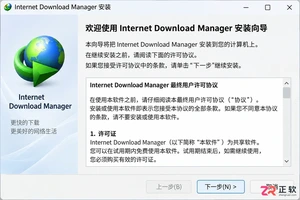
新手必读的IDM安装配置教程。从官方下载开始,逐步讲解如何完成Windows安装、启用Chrome/Edge/Firefox浏览器扩展、设置默认保存目录及调整连接线程,解决IDM不弹窗接管下载的常见问题。
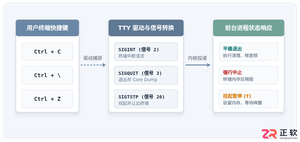
全面解析Linux终端中终止进程的核心快捷键(Ctrl+C、Ctrl+Z、Ctrl+\)的原理、区别与具体使用方法,附后台恢复与强制终止全流程指南。



Postman是一套面向API全生命周期的开发与测试平台,可在Mac上发送和调试多种协议请求,管理集合、环境及认证信息,并完成脚本测试、模拟服务、监控、文档发布和团队协作。它适合开发、测试及运维人员使用,提供个人免费方案。
Docker Desktop 是 Docker 官方为 Mac 提供的容器开发环境,集成 Docker Engine、命令行工具、Compose、Build、Kubernetes 与图形化管理界面。

Android Studio 是 Google 面向安卓应用开发提供的官方集成开发环境,基于 IntelliJ IDEA 构建。它整合智能代码编辑、Gradle 构建、界面预览、设备模拟、性能分析、调试测试及 APK 分析等工具。

PixPix 是面向品牌、卖家和内容团队的在线 AI 图片视频创作平台,提供图视频 Agent、无限画布、图片生成、视频生成、自然语言编辑及商品套图、产品精修和带货视频等电商工具。

Postman 是面向 API 全生命周期的开发与协作平台。Windows 桌面版可用于构建和发送 HTTP、GraphQL、gRPC、WebSocket、MQTT 等请求,并提供环境变量、集合、脚本测试、模拟服务、监控、文档及团队工作区等

Docker Desktop 为 Windows 开发者提供集成式容器环境,内置 Docker Engine、命令行工具、Compose、Build 与 Kubernetes 等组件,可在本机完成镜像构建、容器运行、日志查看和资源管理。