

如何在 Go 中安全地将字符串通过反射转换为整数类型

一款功能相当强大的录音及音频编辑软件,不仅可以编辑音频,而且还可以录音,功能丰富,操作简单,使用方便,实用性强,并且占用电脑内存小,运行速度快,不卡顿电脑,使电脑系统保持良好的运行状态。支持许多格式的音频文件,包括WAV、OGG、VOC、IFF、AIFF、
如何在 Go 中安全地将字符串通过反射转换为整数类型 Go 的反射机制不支持直接将字符串类型转换为整数类型,因为这违反了 Go 类型系统的转换规则;正确做法是先用 strconv 包解析字符串,再通过 reflect.ValueOf 封装为目标数值类型。 在 Go 语言中,试图通过反射直接将字符串转
如何在 Go 中安全地将字符串通过反射转换为整数类型

Go 的反射机制不支持直接将字符串类型转换为整数类型,因为这违反了 Go 类型系统的转换规则;正确做法是先用 strconv 包解析字符串,再通过 reflect.ValueOf 封装为目标数值类型。
在 Go 语言中,试图通过反射直接将字符串转为整数,是一个新手常踩的坑。核心原因在于,reflect.Value.Convert() 方法并非万能钥匙,它只能在底层类型兼容且满足语言规范中“可转换”条件的类型间工作,比如 int32 和 int64 之间。而字符串和整数,从底层表示上看完全是两回事,因此像 reflect.ValueOf("1").Convert(reflect.TypeOf(int(0)).Type) 这样的代码,必然会引发 panic,并报错:“value of type string cannot be converted to type int”。
✅ 正确解法:分离「字符串解析」与「反射封装」两个步骤
那么,正确的路径是什么?答案是遵循 Go 的类型安全哲学,将过程拆解:先用 strconv 包安全地将字符串解析为具体的数值,再用 reflect.ValueOf() 将其封装为反射值。这才是地道且健壮的惯用方式。
import (
    "fmt"
    "reflect"
    "strconv"
)

func stringToReflectInt(s string, targetType reflect.Type) (reflect.Value, error) {
    // 仅支持基础整数类型
    switch targetType.Kind() {
    case reflect.Int, reflect.Int8, reflect.Int16, reflect.Int32, reflect.Int64:
        i64, err := strconv.ParseInt(s, 10, 64)
        if err != nil {
            return reflect.Zero(targetType), err
        }
        // 根据目标类型做类型断言并封装
        switch targetType.Kind() {
        case reflect.Int:
            return reflect.ValueOf(int(i64)), nil
        case reflect.Int8:
            return reflect.ValueOf(int8(i64)), nil
        case reflect.Int16:
            return reflect.ValueOf(int16(i64)), nil
        case reflect.Int32:
            return reflect.ValueOf(int32(i64)), nil
        case reflect.Int64:
            return reflect.ValueOf(i64), nil
        }
    case reflect.Uint, reflect.Uint8, reflect.Uint16, reflect.Uint32, reflect.Uint64:
        u64, err := strconv.ParseUint(s, 10, 64)
        if err != nil {
            return reflect.Zero(targetType), err
        }
        switch targetType.Kind() {
        case reflect.Uint:
            return reflect.ValueOf(uint(u64)), nil
        case reflect.Uint8:
            return reflect.ValueOf(uint8(u64)), nil
        case reflect.Uint16:
            return reflect.ValueOf(uint16(u64)), nil
        case reflect.Uint32:
            return reflect.ValueOf(uint32(u64)), nil
        case reflect.Uint64:
            return reflect.ValueOf(u64), nil
        }
    }
    return reflect.Zero(targetType), fmt.Errorf("unsupported target type: %v", targetType)
}

// 使用示例
func main() {
    param := "42"
    fn := reflect.ValueOf(func(x int) {}).Type()
    ps := fn.In(0) // reflect.Type of int
    v, err := stringToReflectInt(param, ps)
    if err != nil {
        panic(err)
    }
    fmt.Printf("Converted: %v (type %v)\n", v.Interface(), v.Type()) // 42 (type int)
}
⚠️ 注意事项
- 不要依赖 ConvertibleTo() 判断字符串→数字的可行性——它返回 false 是正确行为,而非 bug;
strconv解析失败时会返回明确错误(如 “abc” → strconv.ParseInt: parsing “abc”: invalid syntax),务必检查错误,避免静默失败;- 若需支持浮点、布尔等类型,应扩展函数逻辑,但核心原则不变:解析(parse)优先于反射(reflect);
- 反射应作为最后手段;若调用参数类型已知,优先使用类型断言或直接转换(如 int(parseResult)),更高效且类型安全。
总结来说,Go 语言并没有提供一条“通用字符串转任意数值类型”的反射捷径。拥抱 strconv 加上显式的类型分支设计,代码反而更清晰、更健壮。这完全符合 Go 语言“显式优于隐式(explicit over implicit)”的工程哲学,也是写出高质量 Go 代码的关键所在。

谷歌浏览器Mac版官方安装指南 谷歌浏览器Mac版官方安装入口是https://www.google.com/chrome/,需macOS 12+系统、500MB空间,下载.dmg后拖入应用程序安装,支持多设备同步、性能优化与隐私保护功能。 苹果电脑Chrome的安装入口究竟在哪里?这个问题最近可是
多语种覆盖能力 首先,它支持超过100种语言之间的即时互译,从全球主流语系到冰岛语、拉脱维亚语这类区域性小语种,都能找到对应方案,覆盖范围相当广泛。对于不确定源语言的情况,系统自带的语种自动识别功能就派上了大用场,粘贴文本后瞬间就能判定语种并启动翻译,操作门槛极低。 面对德语、法语、日语这些语法结构


中国电信官网在线访问入口与核心功能解析 对于许多电信用户来说,高效便捷地找到官方服务入口并进行在线办理,是日常生活中的高频需求。今天我们就来详细拆解一下中国电信的官方网站,看看它究竟能为用户带来哪些便利。 访问入口明确且统一:中国电信官网的在线访问地址是 https://www.189.cn。这个入
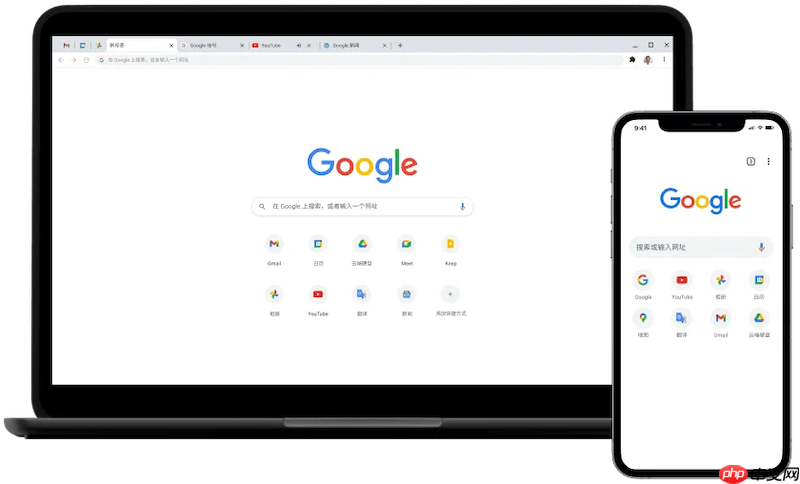
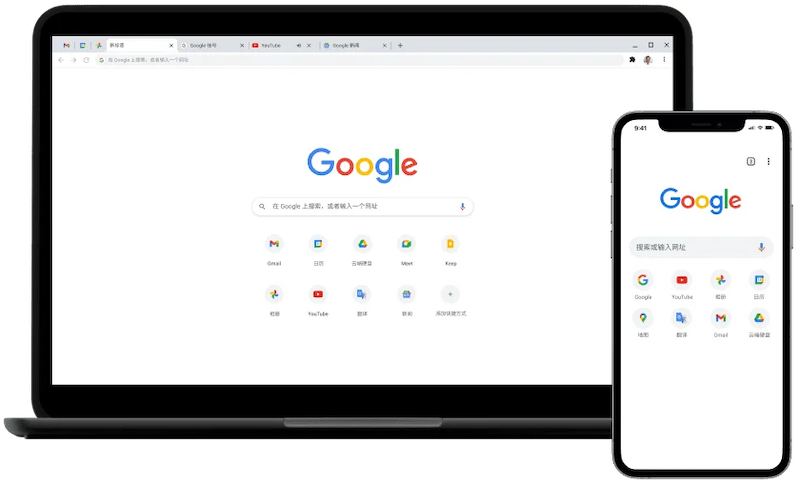
想在Chrome浏览器里装些好用的小工具,但发现插件来源复杂、操作步骤也不少,是不是有点无从下手?其实,只要搞懂几个核心路径,给Chrome添加新功能这件事,完全可以变得轻松流畅。下面,就为你梳理清楚安装第三方扩展的全套方法。 一、通过Chrome网上应用店安装插件 最稳妥、最省心的方式,自然是走官

火狐浏览器五大核心设置功能:解锁高效、安全与个性化体验 火狐浏览器功能强大,但如果不仔细挖掘,很多能大幅提升效率和安全性的设置可能就“藏着掖着”了。这就好比拥有一台高性能设备,却只用了基础模式。那么,如何把它调整到最顺手、最安全的状态?接下来,我们就聚焦于当前版本(截至2025年末)最关键的五大设置

如何在电脑上运行Google Play?3个在PC使用谷歌商店的高效方案 想在Windows电脑上打开Google Play商店,直接安装安卓应用或游戏?这个想法很自然,但得清楚一点:谷歌并未为桌面操作系统提供官方原生支持。不过别担心,绕过这个限制,已经有几条成熟且高效的路径被验证可行。下面我们就来

Chrome官方免验证入口为https://www.google.cn/chrome/,提供全平台安装包、免登录即用、本地化安全机制及引擎级性能优化。 到底该去哪里找正版、免费且无需繁琐验证的Chrome浏览器入口?这个问题困扰了不少网友。今天,我们就来直通核心,为大家详细拆解Chrome引擎的官方




IntelliJ IDEA 是 JetBrains 推出的专业集成开发环境,重点服务于 Java、Kotlin 与 JVM 项目开发。软件集成代码补全、静态检查、重构、调试、测试、版本控制及构建工具,并可借助插件扩展语言和框架支持。

JetBrains PyCharm 是面向 Python 开发者的集成开发环境,提供智能补全、代码检查、重构、调试、测试、版本控制及虚拟环境管理功能。Mac 版兼容 Intel 与 Apple 芯片,核心功能可免费使用。

JetBrains WebStorm 是面向 JavaScript、TypeScript 和现代 Web 技术的专业集成开发环境,可智能理解项目结构,提供代码补全、重构、错误检查、运行调试、测试及 Git 工具。

JetBrains IntelliJ IDEA 是以 Java、Kotlin 和 JVM 项目为核心的专业集成开发环境,提供智能补全、代码检查、安全重构、调试、测试、版本控制及构建工具集成。统一发行版的核心功能可免费用于商业和非商业项目,

PhpStorm 是 JetBrains 面向 PHP 与现代 Web 开发打造的专业集成开发环境,提供代码补全、静态检查、重构、调试、测试、数据库、版本控制及前端语言支持。Windows 用户可直接下载安装程序,

PyCharm 是 JetBrains 推出的 Python 集成开发环境,提供智能代码补全、错误检查、重构、调试、测试、Git、终端及 Jupyter Notebook 支持。统一版安装后可体验 30 天 Pro 功能,


