

用 Pygame 实现 15 puzzle
基于Tkinter版本,借助AI工具Trae将15puzzle移植为Pygame实现,调整界面与交互细节后完成代码编写,涵盖棋盘生成、随机打乱、点击移动及胜利判断等核心功能。
背景
在之前用 Tkinter 实现简单 15 puzzle 的文章中,我们完成了一个基本版本。但如果换成 Pygame 来做,界面显然可以做得更漂亮。于是决定在那篇基础上,用 Pygame 重新实现一次 15 puzzle。
正文
代码
关于 15 puzzle 的基本介绍和需要解决的问题,在之前那篇 Tkinter 版本的文章中已经详细说明,这里不再重复。对于 Pygame,刚开始接触,了解还比较有限,再加上当下 AI 工具的能力已经非常强大,所以决定先借助 trae 来完成从 Tkinter 到 Pygame 的转化,而自己只需要在生成的代码基础上做调整就好了。转化的过程如下图所示(trae 的回答内容有点长,下图只截取了一部分内容):
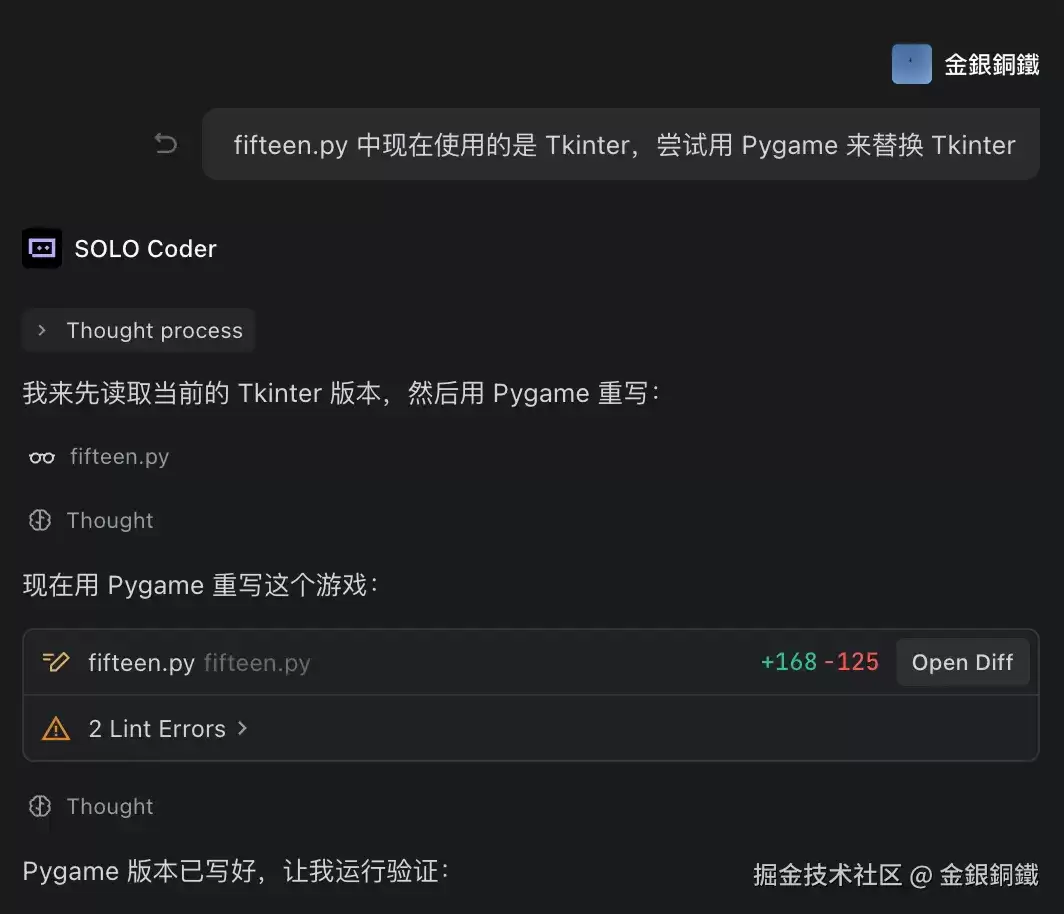
转化后的代码虽然不是百分之百准确,但质量已经相当高。在此基础上再调整了一些细节,最终代码如下:
 复制代码import pygame
import randomclass FifteenPuzzle:
    CELL_SIZE = 100
    CELL_GAP = 5
    N = 4
    WINDOW_SIZE = N * CELL_SIZE + (N + 1) * CELL_GAP + 150
    FONT_SIZE = 50    WHITE = (255, 255, 255)
    BLACK = (0, 0, 0)
    GRAY = (200, 200, 200)
    BLUE = (100, 149, 237)
    GREEN = (60, 179, 113)
    DARK_BLUE = (70, 130, 180)    VALUE_FOR_EMPTY_POS = N * N    def __init__(self):
        pygame.init()
        self.screen = pygame.display.set_mode((self.WINDOW_SIZE, self.WINDOW_SIZE))
        pygame.display.set_caption("15 Puzzle")
        self.clock = pygame.time.Clock()
        self.font = pygame.font.Font(None, self.FONT_SIZE)
        self.button_font = pygame.font.Font(None, 36)        self.board = []
        self.empty_pos = (self.N - 1, self.N - 1)
        self.click_cnt = 0
        self.game_won = False        self.new_game_rect = pygame.Rect(
            self.WINDOW_SIZE // 2 - 80,
            self.WINDOW_SIZE - 60,
            160,
            40
        )        self.create_board()
        self.shuffle_board()    def create_board(self):
        self.board = []
        for row in range(self.N):
            self.board.append([])
            for col in range(self.N):
                value = row * self.N + col + 1
                self.board[row].append(value)

    def is_inside_board(self, pos):
        row, col = pos
        return 0 <= row < self.N and 0 <= col < self.N    def shuffle_board(self):
        while True:
            for _ in range(100):
                row, col = self.empty_pos
                candidates = [(row - 1, col), (row + 1, col), (row, col - 1), (row, col + 1)]
                while True:
                    candidate = random.choice(candidates)
                    if self.is_inside_board(candidate):
                        break
                r, c = candidate
                self.board[self.empty_pos[0]][self.empty_pos[1]] = self.board[r][c]
                self.board[r][c] = self.VALUE_FOR_EMPTY_POS
                self.empty_pos = candidate
            if not self.all_at_original_position():
                break    def all_at_original_position(self):
        for row in range(self.N):
            for col in range(self.N):
                target = row * self.N + col + 1
                if self.board[row][col] != target:
                    return False
        return True    def get_cell_rect(self, row, col):
        x = self.CELL_GAP + col * (self.CELL_SIZE + self.CELL_GAP)
        y = self.CELL_GAP + row * (self.CELL_SIZE + self.CELL_GAP)
        return pygame.Rect(x, y, self.CELL_SIZE, self.CELL_SIZE)    def draw_cell(self, row, col, color, text_color=BLACK):
        rect = self.get_cell_rect(row, col)
        pygame.draw.rect(self.screen, color, rect, border_radius=8)
        if (row, col) != self.empty_pos:
            text = self.font.render(str(self.board[row][col]), True, text_color)
            text_rect = text.get_rect(center=rect.center)
            self.screen.blit(text, text_rect)    def draw_button(self, text, rect, color, hover_color):
        mouse_pos = pygame.mouse.get_pos()
        if rect.collidepoint(mouse_pos):
            pygame.draw.rect(self.screen, hover_color, rect, border_radius=8)
        else:
            pygame.draw.rect(self.screen, color, rect, border_radius=8)
        text_surf = self.button_font.render(text, True, self.WHITE)
        text_rect = text_surf.get_rect(center=rect.center)
        self.screen.blit(text_surf, text_rect)    def draw(self):
        self.screen.fill(self.GRAY)        for row in range(self.N):
            for col in range(self.N):
                if self.game_won:
                    self.draw_cell(row, col, self.GREEN)
                elif (row, col) == self.empty_pos:
                    self.draw_cell(row, col, self.WHITE)
                else:
                    self.draw_cell(row, col, self.BLUE)        if self.game_won:
            msg = f"You won after {self.click_cnt} clicks!"
        else:
            msg = f"Clicks: {self.click_cnt}"
        click_text = self.button_font.render(msg, True, self.BLACK)
        click_rect = click_text.get_rect(center=(self.WINDOW_SIZE // 2, self.WINDOW_SIZE - 105))
        self.screen.blit(click_text, click_rect)        self.draw_button("New Game", self.new_game_rect, self.BLUE, self.DARK_BLUE)        pygame.display.flip()    def handle_click(self, pos):
        if self.new_game_rect.collidepoint(pos):
            self.create_board()
            self.shuffle_board()
            self.click_cnt = 0
            self.game_won = False
            return        if self.game_won:
            return        for row in range(self.N):
            for col in range(self.N):
                if self.get_cell_rect(row, col).collidepoint(pos):
                    row_diff = abs(row - self.empty_pos[0])
                    col_diff = abs(col - self.empty_pos[1])
                    if (row_diff == 1 and col_diff == 0) or (col_diff == 1 and row_diff == 0):
                        self.board[self.empty_pos[0]][self.empty_pos[1]] = self.board[row][col]
                        self.board[row][col] = self.VALUE_FOR_EMPTY_POS
                        self.empty_pos = (row, col)

                        self.click_cnt += 1
                        if self.all_at_original_position():
                            self.game_won = True
                    break    def run(self):
        running = True
        while running:
            for event in pygame.event.get():
                if event.type == pygame.QUIT:
                    running = False
                elif event.type == pygame.MOUSEBUTTONDOWN:
                    if event.button == 1:
                        self.handle_click(event.pos)            self.draw()
            self.clock.tick(60)        pygame.quit()if __name__ == "__main__":
    game = FifteenPuzzle()
    game.run()
运行效果
将完整的代码保存为 fifteen.py,然后在终端中执行:
复制代码python3 fifteen.py
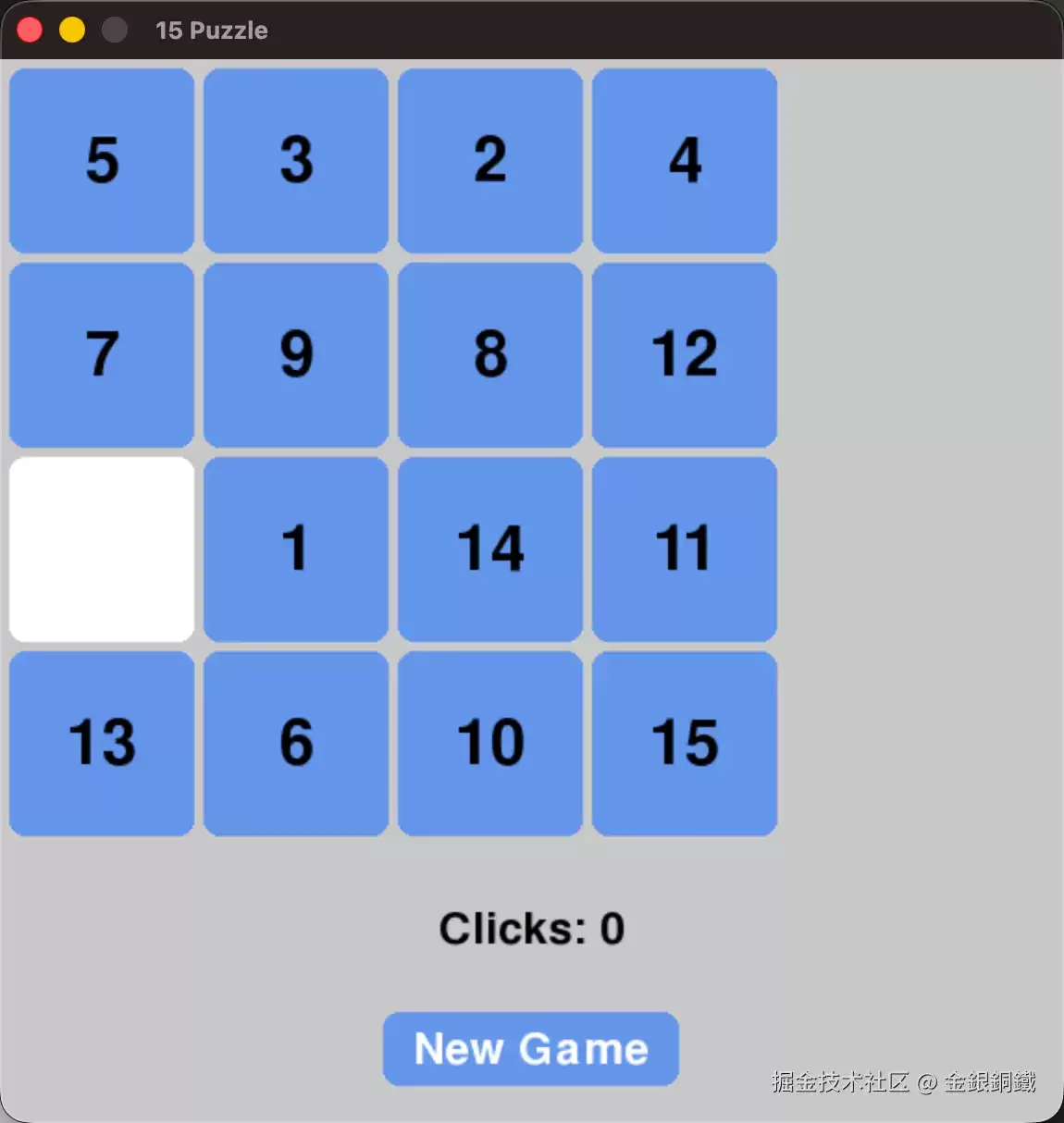
运行效果如下图所示(在自己电脑上运行得到的开局很可能与图中不同):
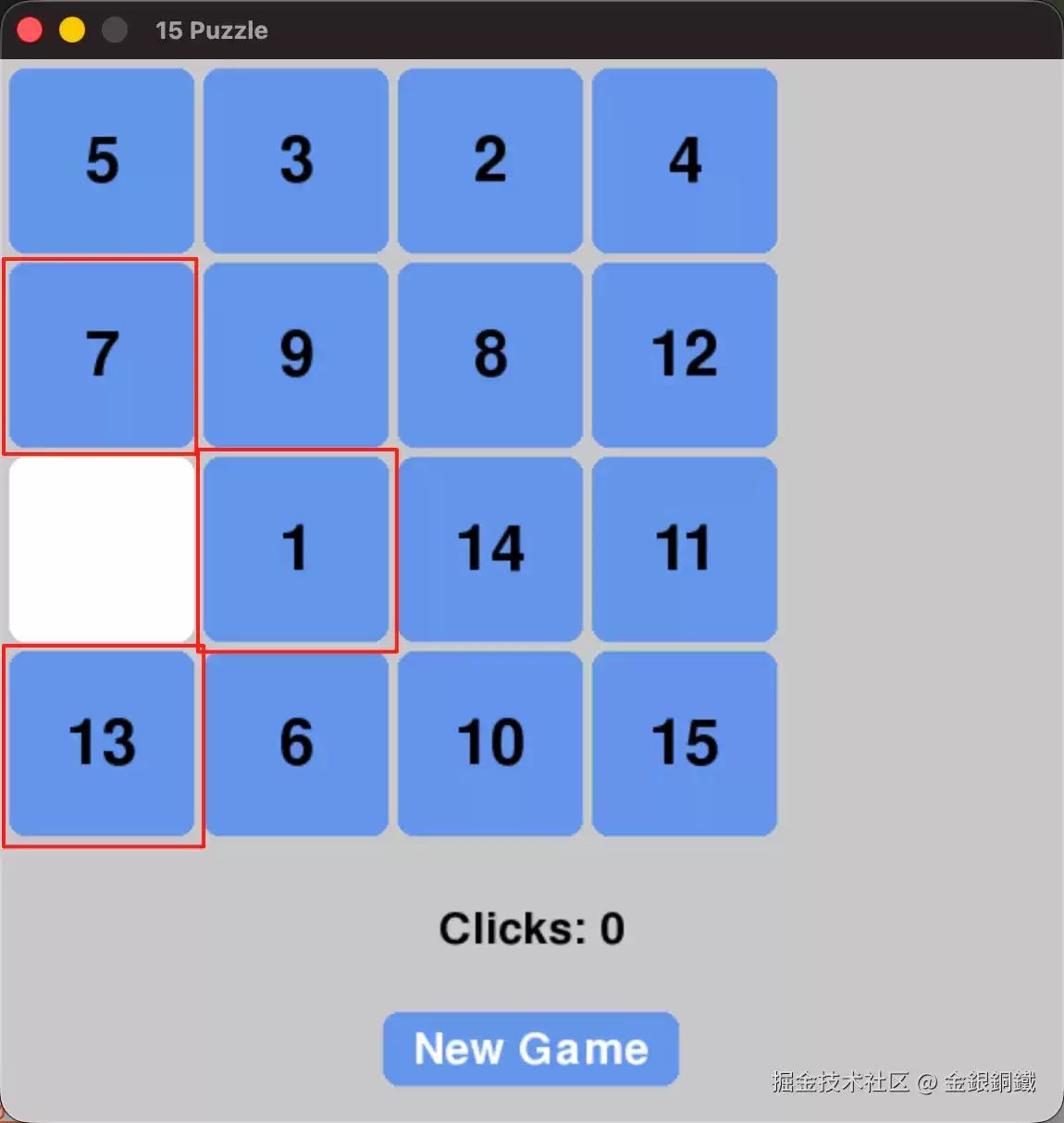
此时点击空格旁边的 1、7、13 中的任意一个数字,就会发生交换。例如点击 1:
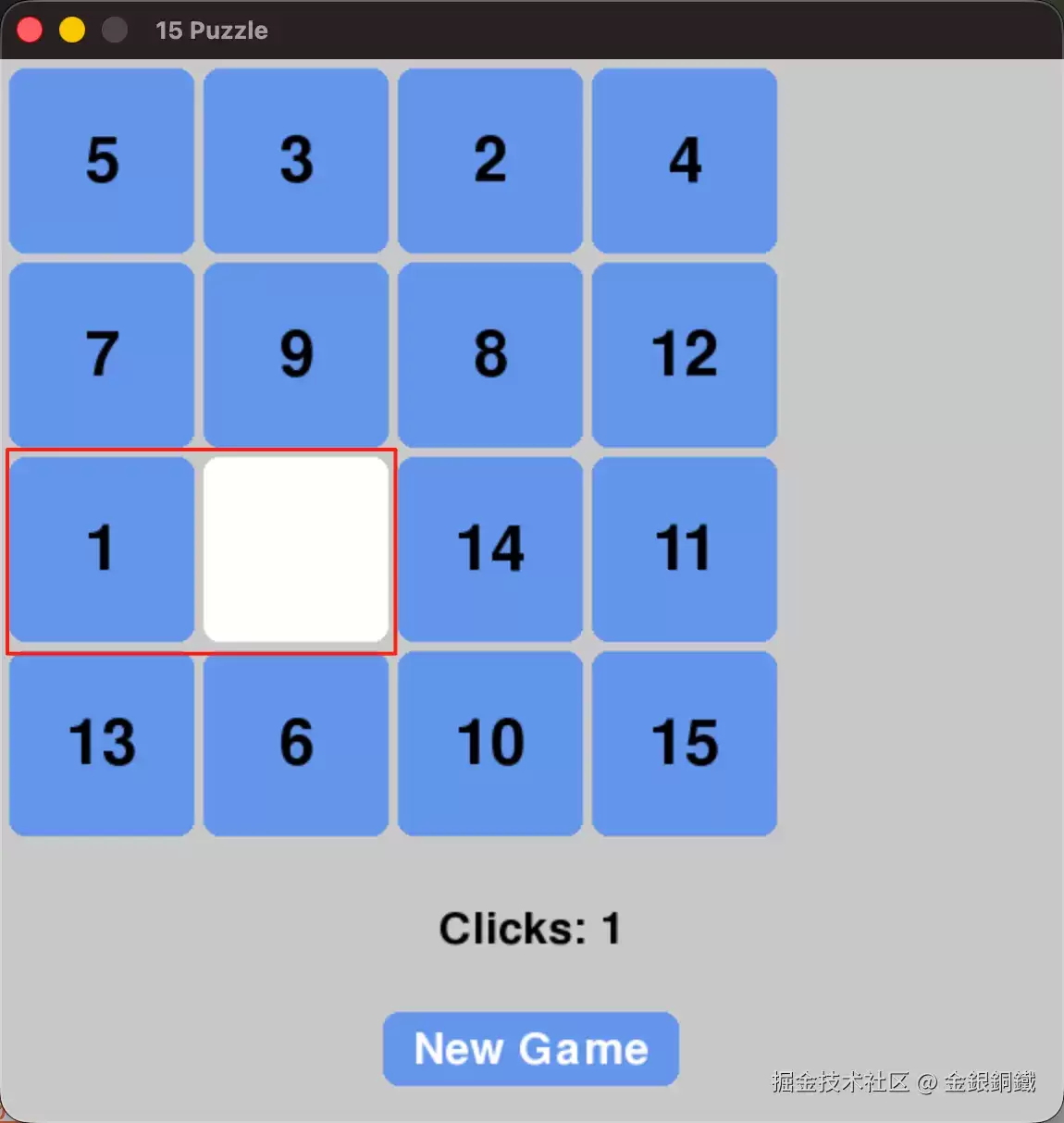
可以看到“空位置”和 1 互换了位置。
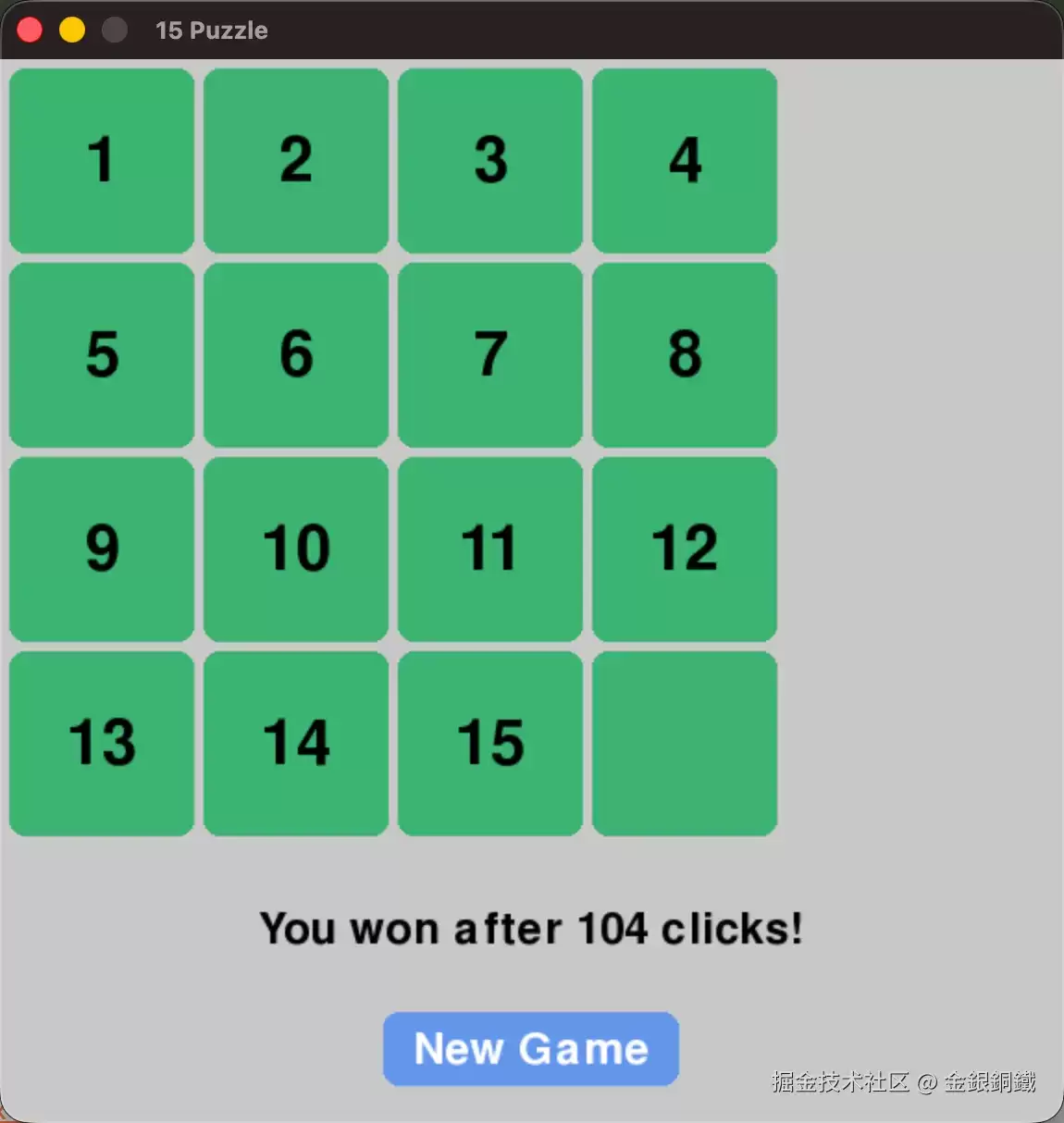
实际操作中,玩了一会儿就得到了预期的胜利局面——一共用了 104 次有效点击:
关于使用人工智能的思考
如果程序中有很大比例是用 AI 生成的,自己还能有进步吗?不妨换个角度看:对于 15 puzzle 这个游戏,在之前写 Tkinter 版本时,已经思考并解决了其中的关键问题:
- 整体布局
- 如何生成最终局面?
- 如何生成随机开局?
- 如何交换两个相邻的格子?
借助 AI 的主要目的,是不想在 Pygame 的入门和配置细节上耗费太多时间。在这个前提下,用 AI 辅助写程序——只要核心逻辑和算法还是自己独立实现——完全没有问题,而且依然能够从中获得进步。
参考资料
- TkDocs tutorial 中的
- A First (Real) Example
- Tk Concepts
- Basic Widgets
- 15 puzzle(Wolfram 中关于 15 puzzle 的介绍)
- 用 Tkinter 实现简单的 15 puzzle
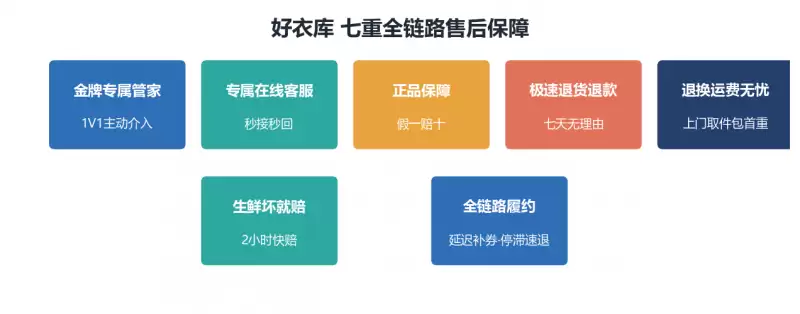
好衣库售后全程由平台统一受理,绝不甩给店主,店主零售后负担。物流合作顺丰、京东、菜鸟三大优质快递,退货运费险由人保、众安保承保。消费者全面享直购标准,退换货由平台全额兜底,买卖双方均安心省心无忧。

2026款长安猎手K50增程皮卡上市,售价14.19万至17.89万元。搭载2.0T超级大增程系统,双电机峰值功率240kW,百公里加速5.9秒。配备宁德时代2C电池,纯电续航192公里,总电力储备239kWh,支持30kW+3.3kW双功率供电,实现全场景用电覆盖。

2026年5月,国内乘用车出口78.4万辆,同比增长75.1%,占厂商总销量35%。新车型成为增长核心引擎,零跑A10以2.2万辆登顶新车型冠军。消费者需求加速从功能满足转向体验升级,汽车产业进入高速迭代周期,推动行业洗牌。
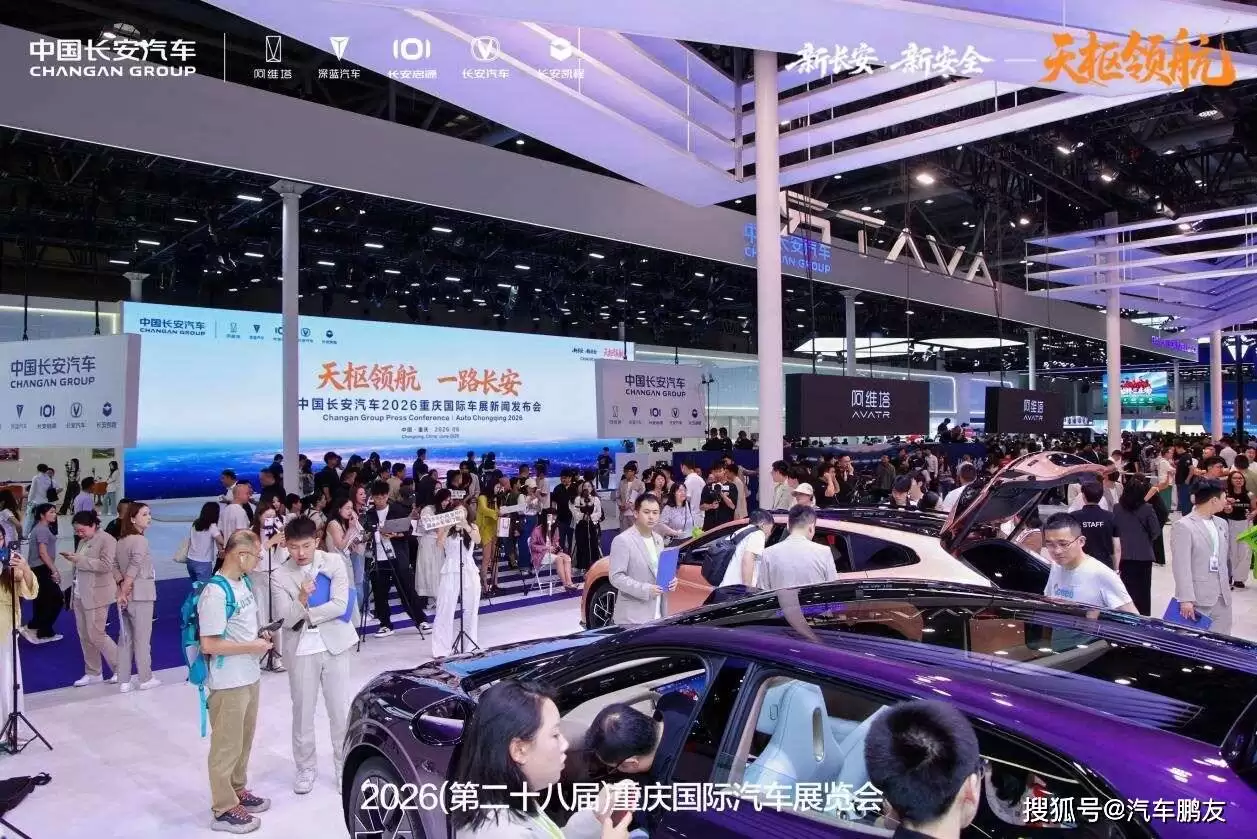
长安汽车在重庆车展发布“天枢领航”辅助驾驶系统,从安全防护、减轻压力到智能交互三个维度升级出行体验。该系统基于十七年技术深耕,依托天枢智能实验中心积累超40万虚拟场景,实测500万公里覆盖185类典型场景,形成技术-场景-用户闭环优化机制。

2025年度北京历史文化名城保护大事记发布,收录94项代表性事件。关键进展包括《北京中轴线世界文化遗产保护条例》施行、先农坛校址腾退实现空间贯通、长辛店老镇启动区开街、路县故城遗址公园试运行等,标志保护工作从被动抢救转向主动规划。

DBeaver25.3.3发布,优化SQL编辑器响应速度与资源占用,AI辅助自动禁用不兼容模型的temperature参数。数据编辑器默认对SELECT查询自动统计行数,修复数据迁移对话框尺寸异常。重构自动提交逻辑,升级UI布局,修正事务状态显示及macOS欢迎画面。数据库适配增强:ClickHouse修复空格解析,Sybase修复双击表打开,DuckDB新

红米十七与Note十七系列已经通过多项国际认证。红米十七搭载骁龙六sGen二四G版,含日本专属版本和POCO联名版C九五Pro。Note十七系列由三款机型组成,均基于骁龙平台,预计二零二六年七至八月率先在中国上市。
当地时间6月9日,美股三大指数走势分化,纳指与标普500双双收跌。科技板块调整明显,半导体ETF盘中最大跌幅超7%,费城半导体指数一度大跌逾8.6%。ARM跌超6%,Coherent跌逾11%,部分AI相关个股也显著回调。
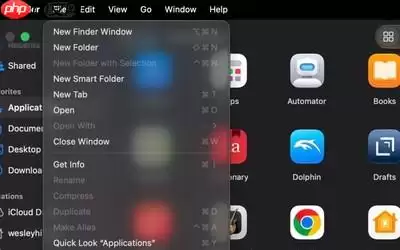
macOSGoldenGate更新后移除了菜单项图标,回归简洁纯文字布局。此前Tahoe版本引入图标但辨识度低,反而拖慢浏览效率。此次调整遵循简洁原则,显著提升可读性与操作效率,是对用户反馈的理性精简。这一改动减少视觉干扰,菜单栏更清晰,用户可快速定位功能。
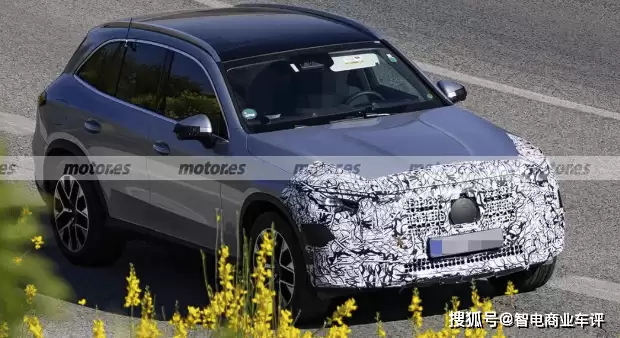
新款奔驰GLC中期改款谍照曝光,前脸采用三叉星徽LED大灯,内饰升级MBUX超联屏及MB.OS系统,科技感显著提升。国产版或与科技企业合作优化智能驾驶,动力延续2.0T轻混与插混,兼顾性能与油耗,2027年全球发布。





Windows 10 是一款微软推出的经典操作系统,拥有硬件兼容性与多任务处理能力。它更偏向把系统状态查看和常用调节动作放在一起,适合需要持续观察和微调设备状态的场景。
极度公式是一款跨平台专业LaTeX公式识别编辑软件,支持OCR公式识别和多平台编辑。和使用说明,避免使用,享受完整功能与稳定支持。做扫描整理、文字提取和表格转换时,它能把识别后的处理步骤接得更顺,资料录入这类场景会省下不少时间。