

如何在Debian上配置Golang缓存机制
要搞定Debian上Golang的缓存机制,其实可选的路子挺多的,比如内存缓存、文件缓存,或者干脆上Redis这样的分布式缓存系统。下面咱们就从最基础的内存缓存说起,一步步看看怎么搭起来。 1. 安装Golang 先把Golang装上。如果还没装,用下面这两行命令就能搞定: sudo apt upd
要搞定Debian上Golang的缓存机制,其实可选的路子挺多的,比如内存缓存、文件缓存,或者干脆上Redis这样的分布式缓存系统。下面咱们就从最基础的内存缓存说起,一步步看看怎么搭起来。
1. 安装Golang
先把Golang装上。如果还没装,用下面这两行命令就能搞定:
sudo apt update
sudo apt install golang-go
2. 创建一个简单的Go程序
接下来,咱们动手写一个简单的Go程序,演示一下内存缓存是怎么工作的。
创建项目目录
mkdir cache-demo
cd cache-demo
创建Go文件
新建一个main.go文件,把下面这段代码贴进去:
package main

import (
    "fmt"
    "sync"
    "time"
)

// Cache 是一个简单的内存缓存结构
type Cache struct {
    mu    sync.Mutex
    items map[string]interface{}
}

// NewCache 创建一个新的缓存实例
func NewCache() *Cache {
    return &Cache{
        items: make(map[string]interface{}),
    }
}

// Get 获取缓存中的值
func (c *Cache) Get(key string) (interface{}, bool) {
    c.mu.Lock()
    defer c.mu.Unlock()
    if value, found := c.items[key]; found {
        return value, true
    }
    return nil, false
}

// Set 设置缓存中的值
func (c *Cache) Set(key string, value interface{}) {
    c.mu.Lock()
    defer c.mu.Unlock()
    c.items[key] = value
}

// Delete 删除缓存中的值
func (c *Cache) Delete(key string) {
    c.mu.Lock()
    defer c.mu.Unlock()
    delete(c.items, key)
}

func main() {
    cache := NewCache()

    // 设置缓存
    cache.Set("key1", "value1")
    cache.Set("key2", "value2")

    // 获取缓存
    if value, found := cache.Get("key1"); found {
        fmt.Println("key1:", value)
    } else {
        fmt.Println("key1 not found")
    }

    // 删除缓存
    cache.Delete("key1")

    // 再次获取缓存
    if value, found := cache.Get("key1"); found {
        fmt.Println("key1:", value)
    } else {
        fmt.Println("key1 not found")
    }
}
3. 运行Go程序
在项目目录下,直接运行:
go run main.go输出结果应该是:
key1: value1
key1 not found
这就说明咱们自己手写的内存缓存跑通了。
4. 使用第三方缓存库
如果项目里需要更复杂的缓存策略(比如缓存淘汰、过期时间、高并发下的性能优化),那直接用现成的第三方库会更省心。这里推荐两个:groupcache 和 ristretto。下面以 ristretto 为例,它来自 Dgraph 团队,性能很不错。
安装ristretto库
go get github.com/dgraph-io/ristretto修改Go程序以使用ristretto
把 main.go 换成下面这段代码:
package main

import (
    "fmt"
    "github.com/dgraph-io/ristretto"
)

func main() {
    // 创建一个ristretto缓存实例
    cache, err := ristretto.NewCache(&ristretto.Options{
        NumCounters: 1e7,   // number of keys to track frequency of (10M).
        MaxCost:     1 << 30, // maximum cost of cache (1GB).
        BufferItems: 64,     // number of keys per Get buffer.
    })
    if err != nil {
        panic(err)
    }

    // 设置缓存
    cache.Set("key1", "value1", 1)
    cache.Set("key2", "value2", 1)

    // 获取缓存
    if value, found := cache.Get("key1"); found {
        fmt.Println("key1:", value)
    } else {
        fmt.Println("key1 not found")
    }

    // 删除缓存
    cache.Del("key1")

    // 再次获取缓存
    if value, found := cache.Get("key1"); found {
        fmt.Println("key1:", value)
    } else {
        fmt.Println("key1 not found")
    }
}
5. 运行修改后的Go程序
再次执行:
go run main.go输出和之前一样:
key1: value1
key1 not found
看到没?第三方库用起来更简洁,而且内部已经处理好了并发安全、内存控制等细节。实际项目中,如果只是简单缓存,手写一个也不会太麻烦;但如果要考虑性能、容量限制和自动淘汰,还是直接用 ristretto 这类库更稳妥。当然,要是业务规模更大,需要跨进程共享缓存,那就可以考虑上 Redis 了——不过那就是另一个话题了。

详细分析链表删除节点的时间复杂度,深入探讨单链表与双向链表在不同已知前提下的查找与删除开销,并结合完整代码与清晰图解进行对比总结。
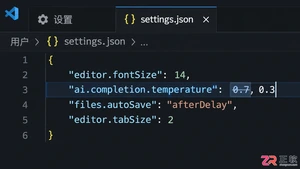
想知道如何让AI写出的代码更贴合你的习惯?本文手把手教你在VS Code中调整Codex相关模型参数,通过修改配置文件优化温度值和令牌限制,解决代码建议不准确或响应慢的问题。
通过实测展示Claude Code在终端中如何理解自然语言指令、自动修改代码文件并处理复杂编程任务,帮助开发者评估其实际辅助能力。
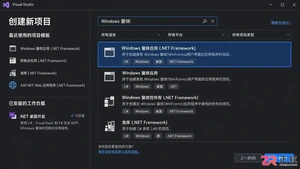
本教程详细讲解如何使用Visual Studio创建WinForms项目,通过添加按钮和标签控件并编写点击事件代码,实现一个基础的计数器功能,适合C#初学者快速上手Windows窗体应用开发。
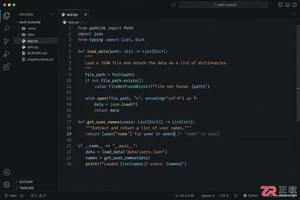
详解Cursor编辑器中自动补全功能的开启与优化设置,涵盖Tab触发机制、上下文窗口调整及模型切换,帮助开发者解决补全延迟、干扰大等问题,提升编码流畅度。
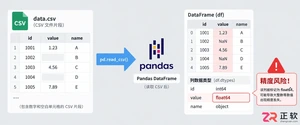
详解Pandas中数据格式转换的核心方法,包括astype强制转换、to_numeric容错处理及日期解析技巧,解决常见类型错误并提升数据处理效率。
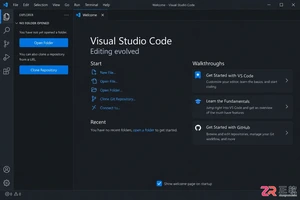
详细介绍在Visual Studio Code中安装Chinese (Simplified)语言包的方法,包括通过扩展市场搜索、安装及自动重启切换至简体中文界面的完整步骤,帮助开发者快速将编辑器本地化。
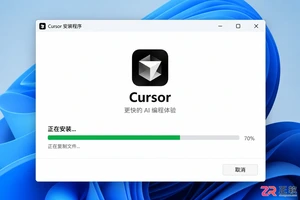
针对Cursor安装包默认锁定C盘且无路径选择界面的问题,提供通过手动移动文件并创建目录联结(Symbolic Link)的解决方案,实现将软件安装在其他磁盘分区。
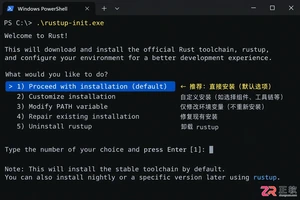
详解Windows系统下Rust语言的安装步骤,重点解析rustup工具链管理机制,解决环境变量配置错误及MSVC链接器缺失问题,提供可复制的命令验证方法与常见报错的因果排查思路。
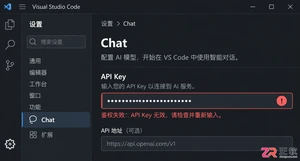
详解VS Code中Chat插件的安装与核心配置步骤,重点解决API连接失败、响应慢等常见问题,通过优化上下文设置提升代码生成质量,适合希望集成AI辅助工具的开发者阅读。




Photoshop 2026 是 Adobe 推出的专业图像处理与视觉设计软件,支持 Windows、macOS 和 iPad 等平台,广泛应用于摄影修图、电商设计、平面海报、数字绘画及视觉合成等创作场景。

Blender 是一款免费开源、跨平台的专业 3D 创作软件,集建模、动画、渲染、视频编辑与视觉合成等功能于一体,广泛应用于影视动画、游戏设计和建筑可视化等领域。软件支持 Cycles 物理渲染器与 Eevee 实时渲染引擎,并提供多边形建模、骨骼绑定、物理模拟等专业工具。Blender 兼容 Windows、macOS 和 Linux 系统,安装包轻巧、运行流畅,依托活跃的全球开发者社区持续更新,是从初学者到专业创作者都值得选择的正版 3D 创作工具。


Photoshop 2026 是 Adobe 推出的专业图像处理与视觉设计软件,支持 Windows、macOS 和 iPad 等平台,广泛应用于摄影修图、电商设计、平面海报、数字绘画及视觉合成等创作场景。
Blender 是一款免费开源、跨平台的专业 3D 创作软件,集建模、动画、渲染、视频编辑与视觉合成等功能于一体,广泛应用于影视动画、游戏设计和建筑可视化等领域。软件支持 Cycles 物理渲染器与 Eevee 实时渲染引擎,并提供多边形建模、骨骼绑定、物理模拟等专业工具。Blender 兼容 Windows、macOS 和 Linux 系统,安装包轻巧、运行流畅,依托活跃的全球开发者社区持续更新,是从初学者到专业创作者都值得选择的正版 3D 创作工具。