

ArrayList 第一个元素为 null 的原因及解决方法
当使用ArrayList存储对象时,若getProduct(intindex)方法中错误地将索引边界判断写为index>0,会导致索引0被拒绝访问而返回null,这是典型的零索引误判问题。

当使用 ArrayList 存储对象时,若 getProduct(int index) 方法中错误地将索引边界判断写为 index > 0,会导致索引 0 被拒绝访问而返回 null,这是典型的零索引误判问题。
当使用 ArrayList 存储对象时,若 `getProduct(int index)` 方法中错误地将索引边界判断写为 `index > 0`,会导致索引 0 被拒绝访问而返回 null,这是典型的零索引误判问题。
在 Java 中,ArrayList(以及所有基于数组的集合)采用 0-based indexing(从 0 开始编号),即第一个元素位于索引 0,第二个在 1,依此类推。然而,在提供的 Store 类中,getProduct 方法存在一个关键逻辑缺陷:
public Product getProduct(int index) {
    if ((index > 0) && (index < products.size()))
        return products.get(index);
    return null;
}
该条件 index > 0 直接排除了合法且最常用的索引 0 —— 即使 products 非空、products.get(0) 完全有效,此方法仍会返回 null。这正是用户观察到“第一个产品总是 null,但第二、第三个正常”的根本原因。
✅ 正确的边界检查应为:
public Product getProduct(int index) {
    if (index >= 0 && index < products.size()) {
        return products.get(index);
    }
    return null; // 或更佳做法:抛出 IndexOutOfBoundsException
}
? 提示:Java 集合类(如 ArrayList.get())本身已内置越界检查,直接委托调用更安全、更符合惯例:
public Product getProduct(int index) {
    return products.get(index); // 自动抛出 IndexOutOfBoundsException(推荐)
}
若需静默容错,再封装 try-catch;但教学与生产环境中,显式暴露错误比静默返回 null 更利于调试和健壮性。
⚠️ 其他注意事项:
getProductIndex(Product) 依赖 ArrayList.indexOf(),其正确性基于 Product.equals(Object) 的实现。当前 Product.equals(Product) 是自定义方法,但未重写 Object.equals(Object)(参数类型为 Object),导致 indexOf() 实际调用的是默认引用比较,可能无法按预期匹配。建议补充标准重写:
@Override
public boolean equals(Object obj) {
    if (this == obj) return true;
    if (obj == null || getClass() != obj.getClass()) return false;
    Product product = (Product) obj;
    return Double.compare(product.price, price) == 0 &&
           Objects.equals(id, product.id) &&
           Objects.equals(name, product.name);
}

@Override
public int hashCode() {
    return Objects.hash(id, name, price);
}
初始化 ArrayList 时无需指定容量(除非预知规模),但确保其非 null:ArrayList
products = new ArrayList<>(); 已足够安全。
总结:零索引是 Java 的基础约定,任何索引校验都必须包含 >= 0。一次 > 与 >= 的笔误,就足以引发难以追踪的 null 异常。养成审查边界条件的习惯,并优先复用 JDK 原生行为,是写出可靠集合操作代码的关键。

了解AI编程如何高效交付产品。本文以电子书阅读器为例,解析从环境搭建、产品设计、技术选型到代码实现及最终验收的标准工作流,帮助开发者规范AI协作过程。
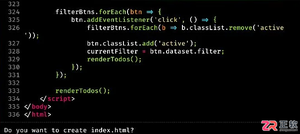
了解 Claude Code 的基础交互流程,包括文件生成确认、使用 /compact 管理对话上下文、通过 CLAUDE.md 设定项目规则以及调用技能复用输出格式,提升开发协作效率。

详细介绍在 Visual Studio 2022 中关闭编辑器垂直滚动条代码缩略图(地图模式)的具体操作方法,包含右键快捷路径与全局选项设置,帮助恢复紧凑清晰的传统滚动条。

详细介绍在 Visual Studio 2022 中使用官方 Microsoft Visual Studio Installer Projects 扩展生成 Windows 桌面应用程序安装包(.msi / setup.exe)的完整操作步骤与配置细节。
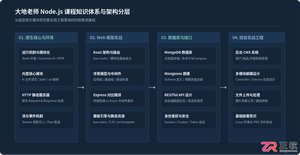
客观全面评析大地老师的Node.js教程:从技术栈覆盖、实战讲解风格到局限短板与进阶路径,帮助初学者和前端开发者客观评估是否适合自身学习需求。
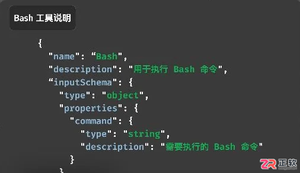
在为大模型Agent接入外部工具时,是选择MCP的结构化参数定义,还是使用CLI的通用命令入口?本文通过图片筛选与上传的实际案例,分析两种方式在上下文开销、任务组合效率及安全风险上的差异,提供选型参考。

初次接触Codex不知从何下手?本文通过一个具体的HTML笔记应用案例,带你走完从建立项目、输入需求、批准执行到验收结果的完整流程,快速掌握Codex的基础使用方法。
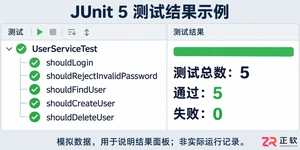
学习如何通过结构化测试、精准断言和参数化设计提升JUnit测试效率,避免常见陷阱,实现高质量、可维护的单元测试代码。
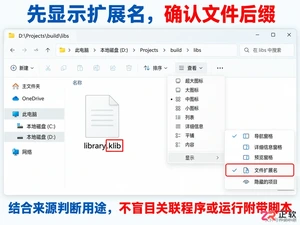
遇到.klib文件打不开?它通常是Kotlin/Native的库文件而非普通文档。本文教你如何在Windows下确认文件来源、安全查看内部结构,以及开发者如何正确使用klib工具,避免误操作。

学习如何在Vue项目中设置文件上传格式限制。本文介绍使用HTML accept属性进行基础过滤,以及结合JavaScript进行严格后缀名校验的方法,确保只允许指定类型的文件被上传。





火山引擎是字节跳动旗下企业级云与AI服务平台。聚焦大模型核心能力,依托字节自研豆包多模态大模型,凭借火山方舟一站式平台,提供模型精调、推理部署、智能应用搭建等全链路服务,结合高性能AI算力,助力各行业快速落地大模型数字化与智能化应用。


Autodesk Maya 是面向影视、电视、动画和游戏行业的专业三维制作软件,集多边形与 NURBS 建模、角色绑定、关键帧和动作捕捉动画、Bifrost 特效模拟、材质开发及 Arnold 渲染于一体,
火山引擎是字节跳动旗下企业级云与AI服务平台。聚焦大模型核心能力,依托字节自研豆包多模态大模型,凭借火山方舟一站式平台,提供模型精调、推理部署、智能应用搭建等全链路服务,结合高性能AI算力,助力各行业快速落地大模型数字化与智能化应用。


