

Ubuntu C++如何处理并发问题
在Ubuntu上进行C++并发开发,可利用C++11标准线程库std::thread,其封装底层POSIXAPI,线程创建如同普通函数调用般简便。配合mutex、lock_guard等同步机制,可安全高效管理多线程任务,提升代码跨平台性与可维护性。
在Ubuntu上做C++并发开发,其实路子还挺多的。C++本身的生态和Linux底层的线程支持,给开发者提供了不少趁手的工具。下面就从最基础的开始,把常见的方案和注意事项捋一遍。
C++11标准线程库——从入门就得用。C++11带来的
std::thread让多线程编程不再需要手动调POSIX API,直接写起来就像创建普通函数一样简单。看个最简单的例子:#include#include void helloFunction() {std::cout << "Hello from a thread!" << std::endl;}int main() {std::thread t(helloFunction);t.join();return 0;} 启动线程、等待线程结束,基本就是这回事。
互斥锁(Mutexes)——共享资源必备的保护伞。多个线程同时写一个变量,结果大概率不是你想要的。用
std::mutex锁住关键区段,保证同一时间只有一个线程进得来:#include#include #include std::mutex mtx;void printMessage(const std::string& msg) {mtx.lock();std::cout << msg << std::endl;mtx.unlock();}int main() {std::thread t1(printMessage, "Hello from thread 1");std::thread t2(printMessage, "Hello from thread 2");t1.join();t2.join();return 0;} 当然,更推荐用
std::lock_guard或者std::scoped_lock来自动管理锁的生命周期,防止忘记释放。条件变量(Condition Variables)——线程间的“信号灯”。有时候一个线程需要等另一个线程把某个条件准备好才能继续,条件变量就是干这个的。下面这个例子展示了10个线程都在等待一个“开始”信号:
#include#include #include #include std::mutex mtx;std::condition_variable cv;bool ready = false;void printId(int id) {std::unique_lock 注意
cv.wait配合一个lambda条件,可以避免虚假唤醒的问题。原子操作(Atomic Operations)——无锁的轻量级选择。如果你只是要对一个整数做加减或者赋值,完全可以用
std::atomic代替互斥锁,效率高得多。看这个计数器的例子:#include#include #include std::atomic sharedValue(0);void incrementValue() {for (int i = 0; i < 100000; ++i) {sharedValue++;}}int main() {std::thread t1(incrementValue);std::thread t2(incrementValue);t1.join();t2.join();std::cout << "Final value: " << sharedValue << std::endl;return 0;} 注意,
sharedValue++在这里是原子的,不会出现数据竞争。更多并发库——如果标准库不够用,还有专门的“武器库”。比如Boost.Asio搞定异步I/O和网络并发,Intel TBB提供并行算法和任务调度,OpenMP用几行指令就能让循环并行化。具体选哪个,看项目场景和团队习惯。
最佳实践——新手最容易踩的几个坑:
- 尽量减少共享状态。能通过消息传递(比如队列)就少用锁,或者考虑无锁数据结构。
- 如果非要共享,一定要正确同步。不要想着“概率上不会出问题”,数据竞争就是未定义行为。
- RAII管理资源。用
std::lock_guard、std::scoped_lock、std::unique_lock等智能锁,别手动lock/unlock。 - 避免死锁。多个锁尽量按固定顺序获取;也可以用
std::lock一次锁多个互斥量,避免交叉等待。
最后,编译时记得加-pthread和C++标准版本控制。比如在Ubuntu上用g++:
g++ -std=c++11 -pthread your_program.cpp -o your_program-pthread是链接POSIX线程库的关键,少了它程序可能跑不起来。只要这些工具用对了,并发编程在C++里并没有想象中那么可怕。
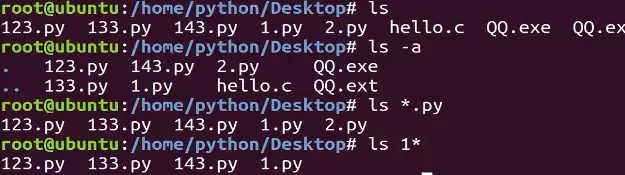
本教程指导Ubuntu新手打开终端,通过pwd、ls、cd、mkdir和touch命令完成基础文件目录操作。适用于桌面版、虚拟机及WSL环境,提供从查看路径到创建测试文件的完整验证步骤,帮助读者建立命令行操作的安全意识与正确习惯。
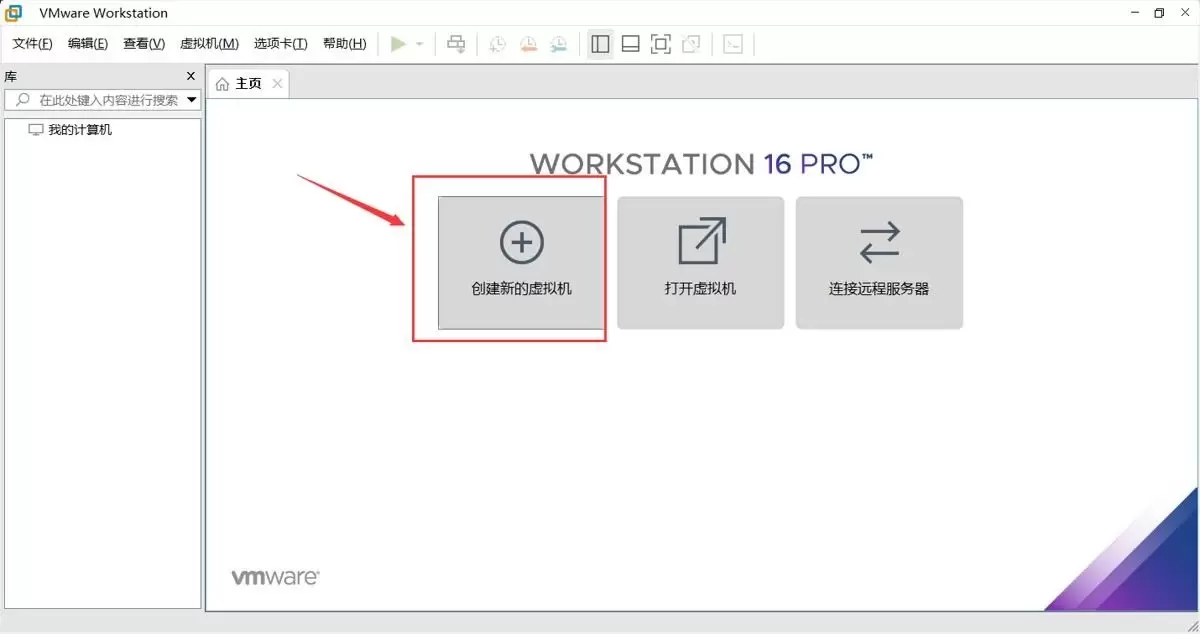
本文提供在VMware中安装Ubuntu并验证启动的完整流程。适用于首次练习Linux或搭建开发环境的用户。按步骤完成虚拟机创建、ISO挂载、硬件分配与安装后,可通过终端命令确认版本、内核与网络状态,确保系统可正常使用。
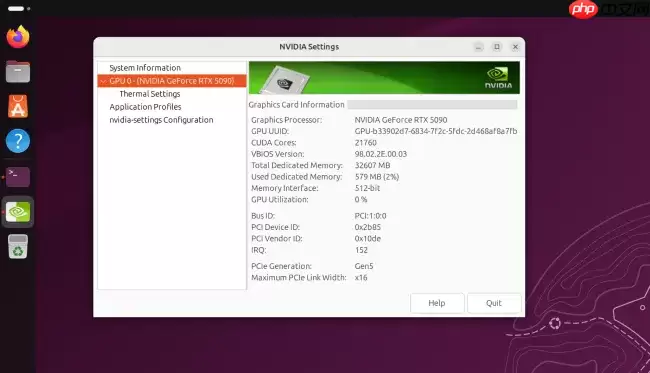
Ubuntu26.04LTS针对英伟达显卡在Wayland+GNOME环境进行性能调优,通过修改gbm_surface_lock_front_buffer函数,将帧渲染等待时间从毫秒级降至微秒级,显著提升UI响应和画面流畅度。该补丁已作为发行版专属补丁集成,确保LTS用户无需等待上游整合即可获得优化体验。
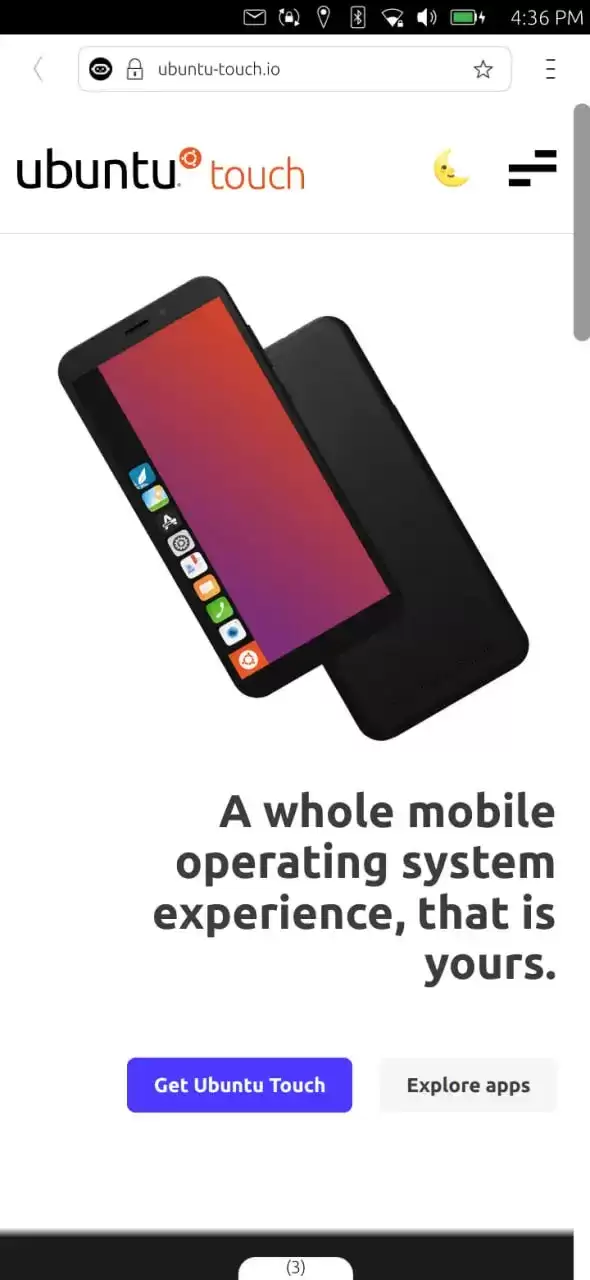
UbuntuTouch24.04-2.0Beta发布,底层升级至Ubuntu24.04,浏览器引擎从Chromium87跃升至134,网页兼容性显著提升;新增屏幕刘海区域自动适配、截图编辑器、网络指示器改进、移动数据可靠性增强、数据加密稳定,并新增NothingPhone(1)等设备支持。
ufw status仅显示高层策略和显式添加的规则(如“80 ALLOW Anywhere”),不反映默认策略绕过、IPv6独立规则、Docker等直写nftables的bypass规则,也无法体现本地回环流量不受管控等底层细节。Ubuntu 默认用 ufw 管理防火墙,但规则实际由 nftable
锁屏背景和桌面壁纸之所以不同,是因为GNOME默认会复制桌面壁纸,然后强制叠加高斯模糊和亮度调整效果,这个效果是由lockDialogGroup的CSS来控制的。要是想去除模糊,建议使用Control Blur Effect On Lock Screen扩展,把Adjust Sigma设置为0就行。
Ubuntu Swapper(一般就是指Ubuntu的交换分区或者交换文件)在服务器上的应用成效,是由多个因素共同决定的,像服务器的硬件配置情况、工作负载的类型以及交换空间的大小和具体配置等。下面为大家带来一些有关Ubuntu Swapper在服务器上应用效果的一般性评价:正面效果内存管理:交换空间
根本原因是纯命令行tty默认不支持UTF-8及中文字体渲染,locale设置仅影响字符解析逻辑,不解决字体绘制问题;图形终端自带UTF-8渲染,而tty需借助fbterm等工具实现中文显示。为什么终端里中文显示为问号或方块 纯命令行(tty,例如通过Ctrl+Alt+F3进入的界面)默认不会加载UT

通过分析Tomcat日志来提升Ubuntu服务器性能是一个很好的方法。以下是一些步骤和建议,帮助你通过Tomcat日志来优化服务器性能:1. 收集日志首先,得保证你的Tomcat服务器有详细的日志记录配置。在conf/logging.properties文件里,你可以对日志级别和输出格式进行调整。o
直接修改PS1是最为可控且轻量的方法。因为GNOME Terminal主题难以区分提示符、命令输入与输出,而PS1搭配ANSI转义码能够精准地为各个字段上色,并且需要用[ ]进行包裹,以防止光标出现错位的情况。直接改 PS1 是最可控、最轻量的方式,不需要装框架或改终端全局配色。 为什么不用改 GN




IntelliJ IDEA 是 JetBrains 推出的专业集成开发环境,重点服务于 Java、Kotlin 与 JVM 项目开发。软件集成代码补全、静态检查、重构、调试、测试、版本控制及构建工具,并可借助插件扩展语言和框架支持。

JetBrains PyCharm 是面向 Python 开发者的集成开发环境,提供智能补全、代码检查、重构、调试、测试、版本控制及虚拟环境管理功能。Mac 版兼容 Intel 与 Apple 芯片,核心功能可免费使用。

JetBrains WebStorm 是面向 JavaScript、TypeScript 和现代 Web 技术的专业集成开发环境,可智能理解项目结构,提供代码补全、重构、错误检查、运行调试、测试及 Git 工具。

JetBrains IntelliJ IDEA 是以 Java、Kotlin 和 JVM 项目为核心的专业集成开发环境,提供智能补全、代码检查、安全重构、调试、测试、版本控制及构建工具集成。统一发行版的核心功能可免费用于商业和非商业项目,

PhpStorm 是 JetBrains 面向 PHP 与现代 Web 开发打造的专业集成开发环境,提供代码补全、静态检查、重构、调试、测试、数据库、版本控制及前端语言支持。Windows 用户可直接下载安装程序,

PyCharm 是 JetBrains 推出的 Python 集成开发环境,提供智能代码补全、错误检查、重构、调试、测试、Git、终端及 Jupyter Notebook 支持。统一版安装后可体验 30 天 Pro 功能,


