

Python编程: 高阶编程
Python高阶编程涵盖函数作为一等公民、高阶函数、闭包、装饰器、元类、生成器、协程、描述符及魔术方法等核心概念。掌握这些技巧可提升代码的简洁性、灵活性和可维护性,更充分发挥Python语言潜力。
Python 高阶编程
Python 的多范式特性是它的一大亮点——除了我们熟悉的面向对象和过程式编程,还藏着不少高阶玩法,比如函数式编程、装饰器、元类、生成器、协程等。掌握这些技巧,能让你的代码更简洁、更灵活,也更容易维护。下面就来逐一拆解这些核心概念。
函数是一等公民(First-class Functions)
在 Python 里,函数可以像普通变量一样被传递、赋值、作为参数或返回值。这种特性是很多高阶玩法的基础。
示例:
def greet(name):
    return f"Hello, {name}"

def call_func(func, arg):
    return func(arg)

print(call_func(greet, "Alice"))  # 输出: Hello, Alice
高阶函数(Higher-order Functions)
高阶函数就是接受函数作为参数,或者返回一个函数的函数。Python 内置了好几个这样的“聪明”函数。
常见内置高阶函数:
map()、filter()、sorted()、functools.reduce()
示例:
from functools import reduce

nums = [1, 2, 3, 4, 5]

# map:对每个元素应用函数
squared = list(map(lambda x: x ** 2, nums))  # [1, 4, 9, 16, 25]

# filter:过滤符合条件的元素
even = list(filter(lambda x: x % 2 == 0, nums))  # [2, 4]

# reduce:累积计算
total = reduce(lambda x, y: x + y, nums)  # 15
闭包(Closure)
闭包可以理解为“带着记忆的函数”——它捕获了外层作用域中的变量,并在后续调用中继续使用。这在封装状态时非常有用。
示例:
def outer():
    count = 0
    def inner():
        nonlocal count
        count += 1
        return count
    return inner

counter = outer()
print(counter())  # 1
print(counter())  # 2
装饰器(Decorators)
装饰器是 Python 最强大的功能之一,能在不修改原函数源码的情况下,给函数“加料”——比如日志记录、性能测试、权限校验等。
简单装饰器:
def my_decorator(func):
    def wrapper(*args, **kwargs):
        print("Before function call")
        result = func(*args, **kwargs)
        print("After function call")
        return result
    return wrapper

@my_decorator
def say_hello():
    print("Hello")

say_hello()
输出:
Before function call
Hello
After function call
带参数的装饰器
装饰器本身也可以接受参数,这相当于多了一层嵌套,灵活性更高。
def repeat(times):
    def decorator(func):
        def wrapper(*args, **kwargs):
            for _ in range(times):
                result = func(*args, **kwargs)
            return result
        return wrapper
    return decorator

@repeat(3)
def greet(name):
    print(f"Hello, {name}")

greet("Alice")
类装饰器
装饰器不仅可以装饰函数,还能装饰类,用来动态添加方法或属性。
def add_method(cls):
    def new_method(self):
        return "New method added!"
    cls.new_method = new_method
    return cls

@add_method
class MyClass:
    pass

obj = MyClass()
print(obj.new_method())  # 输出: New method added!
元类(Metaclass)
元类是“类的类”,它控制着类的创建过程。通常用于自动注入属性、方法,或者做类注册——比如 ORM 框架中的模型定义就是靠元类实现的。
示例:自定义元类
class MyMeta(type):
    def __new__(cls, name, bases, attrs):
        if 'required_method' not in attrs:
            raise TypeError("必须实现 required_method 方法")
        return super().__new__(cls, name, bases, attrs)

class MyClass(metaclass=MyMeta):
    def required_method(self):
        pass

# 下面这行会报错,因为没有实现 required_method
# class BadClass(metaclass=MyMeta):
#     pass
生成器(Generators)
生成器是一种特殊的迭代器,它按需生成数据,而不是一次性生成所有结果,内存占用非常友好。核心关键字是 yield。
使用 yield 定义生成器:
def fibonacci(n):
    a, b = 0, 1
    while a < n:
        yield a
        a, b = b, a + b

for num in fibonacci(100):
    print(num)
协程与异步编程(async/await)
异步 I/O 是 Python 处理高并发网络请求、IO 密集型任务的利器。通过 async 和 await,可以在单线程内实现高效的并发。
示例:
import asyncio

async def say_after(delay, what):
    await asyncio.sleep(delay)
    print(what)

async def main():
    task1 = asyncio.create_task(say_after(1, "Hello"))
    task2 = asyncio.create_task(say_after(2, "World"))
    print("Started at", asyncio.get_event_loop().time())
    await task1
    await task2
    print("Finished at", asyncio.get_event_loop().time())

asyncio.run(main())
描述符(Descriptors)
描述符实现了 __get__、__set__、__delete__ 协议,可以自定义属性的访问逻辑。很多底层机制(比如 @property、@classmethod)的背后都是描述符。
class RevealAccess:
    def __init__(self, initval=None, name='var'):
        self.val = initval
        self.name = name
    def __get__(self, instance, owner):
        print('Getting', self.name)
        return self.val
    def __set__(self, instance, value):
        print('Setting', self.name)
        self.val = value

class MyClass:
    x = RevealAccess(10, 'x')

m = MyClass()
print(m.x)  # 触发 __get__
m.x = 20    # 触发 __set__
魔术方法(Magic Methods / Dunder Methods)
Python 的类可以通过重写 __init__、__str__、__repr__、__call__、__enter__、__exit__ 等方法,让对象的行为更自然——比如支持 with 语句、支持打印输出等。
class Person:
    def __init__(self, name, age):
        self.name = name
        self.age = age
    def __str__(self):
        return f"{self.name} is {self.age} years old."
    def __repr__(self):
        return f"Person('{self.name}', {self.age})"

p = Person("Bob", 30)
print(p)        # 输出: Bob is 30 years old.
print(repr(p))  # 输出: Person('Bob', 30)
上下文管理器
# 使用with语句
with open('file.txt', 'r') as f:
    content = f.read()

# 自定义上下文管理器
class MyContextManager:
    def __enter__(self):
        print("Entering context")
        return self
    def __exit__(self, exc_type, exc_val, exc_tb):
        print("Exiting context")

with MyContextManager() as cm:
    print("Inside context")
并发和多线程
from concurrent.futures import ThreadPoolExecutor
import time

def task(name):
    print(f"Task {name} started")
    time.sleep(2)
    print(f"Task {name} finished")
    return f"Result from {name}"

with ThreadPoolExecutor(max_workers=3) as executor:
    results = executor.map(task, ['A', 'B', 'C'])
    for result in results:
        print(result)
性能优化技巧
使用__slots__
class RegularClass:
    pass

class SlotsClass:
    __slots__ = ['x', 'y']
    def __init__(self, x, y):
        self.x = x
        self.y = y
使用functools.lru_cache缓存
from functools import lru_cache

@lru_cache(maxsize=None)
def fibonacci(n):
    if n < 2:
        return n
    return fibonacci(n-1) + fibonacci(n-2)
设计模式实现
单例模式
class Singleton:
    _instance = None
    def __new__(cls):
        if cls._instance is None:
            cls._instance = super().__new__(cls)
        return cls._instance
工厂模式
class Dog:
    def speak(self):
        return "Woof!"

class Cat:
    def speak(self):
        return "Meow!"

def get_pet(pet="dog"):
    pets = dict(dog=Dog(), cat=Cat())
    return pets[pet]
总结:Python 高阶编程常用技术
| 技术 | 用途 |
|---|---|
| 闭包 | 封装状态和逻辑 |
| 装饰器 | 增强函数行为 |
| 元类 | 控制类的创建逻辑 |
| 生成器 | 按需生成数据 |
| 异步编程 | 提升 IO 并发性能 |
| 描述符 | 自定义属性访问逻辑 |
| 魔术方法 | 实现自定义类型行为 |
这些高阶技巧能让你的 Python 代码更高效、更灵活、也更易于维护。掌握它们,你就能更好地发挥 Python 的全部潜力。
推荐学习资源
- 《流畅的 Python》 —— Luciano Ramalho 著
- Python 官方文档 - Data model
- Real Python - Advanced Python
- Awesome Python 高阶技巧
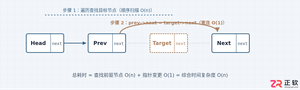
详细分析链表删除节点的时间复杂度,深入探讨单链表与双向链表在不同已知前提下的查找与删除开销,并结合完整代码与清晰图解进行对比总结。
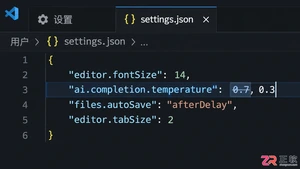
想知道如何让AI写出的代码更贴合你的习惯?本文手把手教你在VS Code中调整Codex相关模型参数,通过修改配置文件优化温度值和令牌限制,解决代码建议不准确或响应慢的问题。

通过实测展示Claude Code在终端中如何理解自然语言指令、自动修改代码文件并处理复杂编程任务,帮助开发者评估其实际辅助能力。
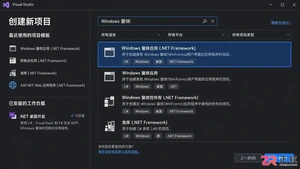
本教程详细讲解如何使用Visual Studio创建WinForms项目,通过添加按钮和标签控件并编写点击事件代码,实现一个基础的计数器功能,适合C#初学者快速上手Windows窗体应用开发。
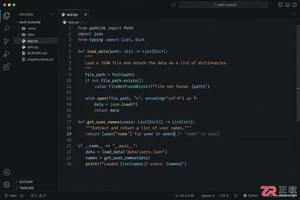
详解Cursor编辑器中自动补全功能的开启与优化设置,涵盖Tab触发机制、上下文窗口调整及模型切换,帮助开发者解决补全延迟、干扰大等问题,提升编码流畅度。
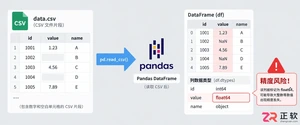
详解Pandas中数据格式转换的核心方法,包括astype强制转换、to_numeric容错处理及日期解析技巧,解决常见类型错误并提升数据处理效率。

详细介绍在Visual Studio Code中安装Chinese (Simplified)语言包的方法,包括通过扩展市场搜索、安装及自动重启切换至简体中文界面的完整步骤,帮助开发者快速将编辑器本地化。

针对Cursor安装包默认锁定C盘且无路径选择界面的问题,提供通过手动移动文件并创建目录联结(Symbolic Link)的解决方案,实现将软件安装在其他磁盘分区。
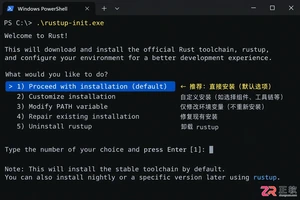
详解Windows系统下Rust语言的安装步骤,重点解析rustup工具链管理机制,解决环境变量配置错误及MSVC链接器缺失问题,提供可复制的命令验证方法与常见报错的因果排查思路。
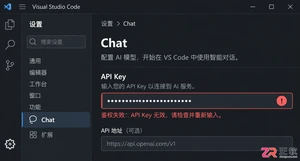
详解VS Code中Chat插件的安装与核心配置步骤,重点解决API连接失败、响应慢等常见问题,通过优化上下文设置提升代码生成质量,适合希望集成AI辅助工具的开发者阅读。




Photoshop 2026 是 Adobe 推出的专业图像处理与视觉设计软件,支持 Windows、macOS 和 iPad 等平台,广泛应用于摄影修图、电商设计、平面海报、数字绘画及视觉合成等创作场景。

Blender 是一款免费开源、跨平台的专业 3D 创作软件,集建模、动画、渲染、视频编辑与视觉合成等功能于一体,广泛应用于影视动画、游戏设计和建筑可视化等领域。软件支持 Cycles 物理渲染器与 Eevee 实时渲染引擎,并提供多边形建模、骨骼绑定、物理模拟等专业工具。Blender 兼容 Windows、macOS 和 Linux 系统,安装包轻巧、运行流畅,依托活跃的全球开发者社区持续更新,是从初学者到专业创作者都值得选择的正版 3D 创作工具。

Photoshop 2026 是 Adobe 推出的专业图像处理与视觉设计软件,支持 Windows、macOS 和 iPad 等平台,广泛应用于摄影修图、电商设计、平面海报、数字绘画及视觉合成等创作场景。
Blender 是一款免费开源、跨平台的专业 3D 创作软件,集建模、动画、渲染、视频编辑与视觉合成等功能于一体,广泛应用于影视动画、游戏设计和建筑可视化等领域。软件支持 Cycles 物理渲染器与 Eevee 实时渲染引擎,并提供多边形建模、骨骼绑定、物理模拟等专业工具。Blender 兼容 Windows、macOS 和 Linux 系统,安装包轻巧、运行流畅,依托活跃的全球开发者社区持续更新,是从初学者到专业创作者都值得选择的正版 3D 创作工具。