

怎么用Python语言的grpc实现消息传送
1.grpc开源包的安装#conda$condacreate-ngrpc_envpython=3.9#installgrpc$pipinstallgrpc-ihttps://pypi.doubanio.com/simple$pipinstallgrpc-tools-ihttps://pypi.doubanio.com/simple#有时proto生成py文件不对就是得换换grpc两个包的版本2.grpc的使用之传送消息整体结构,client.pyserver.py和proto目录下的example.pro
1. grpc开源包的安装
# conda
$ conda create -n grpc_env python=3.9

# install grpc
$ pip install grpc -i https://pypi.doubanio.com/simple
$ pip install grpc-tools -i https://pypi.doubanio.com/simple

# 有时proto生成py文件不对就是得换换grpc两个包的版本
2. grpc的使用之传送消息
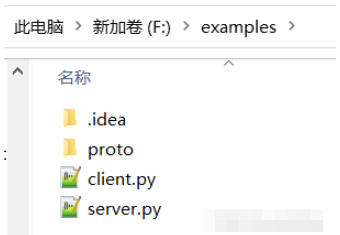
整体结构,client.py server.py 和proto目录下的example.proto
1)在example.proto定义传送体
// 声明
syntax = "proto3";
package proto;

// service创建
service HelloService{
  rpc Hello(Request) returns (Response) {}  // 单单传送消息
}

// 请求参数消息体 1、2是指参数顺序
message Request {
  string data = 1;
}

// 返回参数消息体
message Response {
  int32 ret = 1;    //返回码
  string data = 2;
}

//python -m grpc_tools.protoc -I ./ --python_out=./ --grpc_python_out=./ ./example.proto
2) 在虚拟环境里使用命令生成py文件
$ conda activate grpc_env
$ f:
$ cd F:\examples
$ python -m grpc_tools.protoc -I ./ --python_out=./ --grpc_python_out=./ ./example.proto
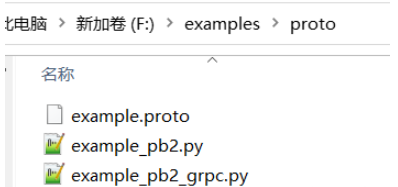
在proto目录下会生成两个py文件,如下图所示:
3) 编辑client.py 和 server.py
# server.py
import time
import grpc
from concurrent import futures
from proto import example_pb2_grpc, example_pb2


class ServiceBack(example_pb2_grpc.HelloServiceServicer):
    """接口的具体功能实现"""

    def Hello(self, request, context):
        """hello"""
        data = request.data
        print(data)
        ret_data = "Response:" + data
        return example_pb2.Response(ret=0, data=ret_data)


def server(ip: str, port: int) -> None:
    server = grpc.server(futures.ThreadPoolExecutor(max_workers=10))  # ⼤⼩为10的线程池
    ai_servicer = ServiceBack()
    example_pb2_grpc.add_HelloServiceServicer_to_server(ai_servicer, server)
    server.add_insecure_port(f"{ip}:{port}")
    server.start()
    try:
        print(f"server is started! ip:{ip} port:{str(port)}")
        while True:
            time.sleep(60 * 60)
    except Exception as es:
        print(es)
        server.stop(0)


if __name__ == '__main__':
    server("127.0.0.1", 8000)
# client.py
import grpc
from proto import example_pb2_grpc, example_pb2


def client(ip: str, port: int) -> None:
    target = str(ip) + ":" + str(port)
    channel = grpc.insecure_channel(target)  # 连接rpc服务器
    cli = example_pb2_grpc.HelloServiceStub(channel)  # 创建Stub

    data = "hello 123"
    request = example_pb2.Request(data=data)
    res = cli.Hello(request)
    print(f"ret:{res.ret}, data:{res.data}")


if __name__ == '__main__':
    client("127.0.0.1", 8000)
3. grpc的使用之数据传输大小配置
默认情况下,gRPC 将传入消息限制为 4 MB。 传出消息没有限制。
1)example.proto定义不变
2)编辑client.py 和 server.py
# server.py
import time
import grpc
from concurrent import futures
from proto import example_pb2_grpc, example_pb2


class ServiceBack(example_pb2_grpc.HelloServiceServicer):
    """接口的具体功能实现"""

    def Hello(self, request, context):
        """hello"""
        data = request.data
        print(data)
        ret_data = "Response:" + data
        return example_pb2.Response(ret=0, data=ret_data)


def server(ip: str, port: int) -> None:
    # 数据传输大小配置
    max_message_length = 1024 * 1024 * 1024  # 1G
    options = [('grpc.max_send_message_length', max_message_length),
               ('grpc.max_receive_message_length', max_message_length),
               ('grpc.enable_retries', 1),
               ]
    server = grpc.server(futures.ThreadPoolExecutor(max_workers=10), options=options)  # ⼤⼩为10的线程池
    ai_servicer = ServiceBack()
    example_pb2_grpc.add_HelloServiceServicer_to_server(ai_servicer, server)
    server.add_insecure_port(f"{ip}:{port}")
    server.start()
    try:
        print(f"server is started! ip:{ip} port:{str(port)}")
        while True:
            time.sleep(60 * 60)
    except Exception as es:
        print(es)
        server.stop(0)


if __name__ == '__main__':
    server("127.0.0.1", 8000)
# client.py
import grpc
from proto import example_pb2_grpc, example_pb2
def client(ip: str, port: int) -> None:
# 数据传输大小配置
max_message_length = 1024 * 1024 * 1024 # 1G
options = [('grpc.max_send_message_length', max_message_length),
('grpc.max_receive_message_length', max_message_length),
('grpc.enable_retries', 1),
]
target = str(ip) + ":" + str(port)
channel = grpc.insecure_channel(target, options=options) # 连接rpc服务器
cli = example_pb2_grpc.HelloServiceStub(channel) # 创建Stub
data = "hello 123" * 1024 * 1024
request = example_pb2.Request(data=data)
res = cli.Hello(request)
print(f"ret:{res.ret}, data:{res.data}")
if __name__ == '__main__':
client("127.0.0.1", 8000)4. grpc的使用之超时配置
1)example.proto定义不变
2)编辑client.py 和 server.py
# server.py
import time
import grpc
from concurrent import futures
from proto import example_pb2_grpc, example_pb2


class ServiceBack(example_pb2_grpc.HelloServiceServicer):
    """接口的具体功能实现"""

    def Hello(self, request, context):
        """hello"""
        data = request.data
        print(data)
        time.sleep(2)
        ret_data = "Response:" + data
        return example_pb2.Response(ret=0, data=ret_data)


def server(ip: str, port: int) -> None:
    # 数据传输大小配置
    max_message_length = 1024 * 1024 * 1024  # 1G
    options = [('grpc.max_send_message_length', max_message_length),
               ('grpc.max_receive_message_length', max_message_length),
               ('grpc.enable_retries', 1),
               ]
    server = grpc.server(futures.ThreadPoolExecutor(max_workers=10), options=options)  # ⼤⼩为10的线程池
    ai_servicer = ServiceBack()
    example_pb2_grpc.add_HelloServiceServicer_to_server(ai_servicer, server)
    server.add_insecure_port(f"{ip}:{port}")
    server.start()
    try:
        print(f"server is started! ip:{ip} port:{str(port)}")
        while True:
            time.sleep(60 * 60)
    except Exception as es:
        print(es)
        server.stop(0)


if __name__ == '__main__':
    server("127.0.0.1", 8000)
# client.py
import sys
import grpc
from proto import example_pb2_grpc, example_pb2
def client(ip: str, port: int) -> None:
# 数据传输大小配置
max_message_length = 1024 * 1024 * 1024 # 1G
options = [('grpc.max_send_message_length', max_message_length),
('grpc.max_receive_message_length', max_message_length),
('grpc.enable_retries', 1),
]
target = str(ip) + ":" + str(port)
channel = grpc.insecure_channel(target, options=options) # 连接rpc服务器
cli = example_pb2_grpc.HelloServiceStub(channel) # 创建Stub
try:
data = "hello 123"
request = example_pb2.Request(data=data)
res = cli.Hello(request, timeout=1) # timeout 单位:秒
print(f"ret:{res.ret}, data:{res.data}")
except grpc.RpcError as rpc_error:
print("grpc.RpcError", rpc_error.details())
except Exception as es:
print(es)
finally:
sys.exit(-1)
if __name__ == '__main__':
client("127.0.0.1", 8000)运行结果:
grpc.RpcError Deadline Exceeded
5. grpc之大文件之流stream传输
1)在example.proto重新定义传送体
// 声明
syntax = "proto3";
package proto;

// service创建
service HelloService{
  rpc Hello(Request) returns (Response) {}  // 单单传送消息
  rpc ClientTOServer(stream UpFileRequest) returns (Response) {}  // 流式上传文件
  rpc ServerTOClient(Request) returns (stream UpFileRequest) {}  // 流式下载文件
}

// 请求参数消息体 1、2是指参数顺序
message Request {
  string data = 1;
}

// 返回参数消息体
message Response {
  int32 ret = 1;    //返回码
  string data = 2;
}

message UpFileRequest {
  string filename = 1;
  int64 sendsize = 2;
  int64 totalsize = 3;
  bytes data = 4;
}


//python -m grpc_tools.protoc -I ./ --python_out=./ --grpc_python_out=./ ./example.proto
2)在虚拟环境里使用命令生成py文件,参考2. 2)
3)编辑client.py 和 server.py
# server.py
import os
import time
import grpc
from concurrent import futures
from proto import example_pb2_grpc, example_pb2


class ServiceBack(example_pb2_grpc.HelloServiceServicer):
    """接口的具体功能实现"""

    def Hello(self, request, context):
        """hello"""
        data = request.data
        print(data)
        time.sleep(2)
        ret_data = "Response:" + data
        return example_pb2.Response(ret=0, data=ret_data)

    def ClientTOServer(self, request_iterator, context):
        """上传文件"""
        data = bytearray()
        for UpFileRequest in request_iterator:
            file_name = UpFileRequest.filename
            file_size = UpFileRequest.totalsize
            file_data = UpFileRequest.data
            print(f"文件名称:{file_name}, 文件总长度:{file_size}")
            data.extend(file_data)  # 拼接两个bytes
            print(f"已接收长度:{len(data)}")
        if len(data) == file_size:
            with open("242_copy.mp3", "wb") as fw:
                fw.write(data)
            print(f"{file_name=} 下载完成")
            (ret, res) = (0, file_name)
        else:
            print(f"{file_name=} 下载失败")
            (ret, res) = (-1, file_name)
        return example_pb2.Response(ret=ret, data=res)

    def ServerTOClient(self, request, context):
        """下载文件"""
        fp = request.data
        print(f"下载文件:{fp=}")
        # 获取文件名和文件大小
        file_name = os.path.basename(fp)
        file_size = os.path.getsize(fp)  # 获取文件大小
        # 发送文件内容
        part_size = 1024 * 1024  # 每次读取1MB数据
        count = 1

        with open(fp, "rb") as fr:
            while True:
                try:
                    if count == 1:
                        count += 1
                        yield example_pb2.UpFileRequest(filename=file_name, totalsize=file_size, sendsize=0, data=b"")
                    else:
                        context = fr.read(part_size)
                        if context:
                            yield example_pb2.UpFileRequest(filename=file_name, totalsize=file_size,
                                                            sendsize=len(context),
                                                            data=context)
                        else:
                            print(f"发送完毕")
                            return 0
                except Exception as es:
                    print(es)


def server(ip: str, port: int) -> None:
    # 数据传输大小配置
    max_message_length = 1024 * 1024 * 1024  # 1G
    options = [('grpc.max_send_message_length', max_message_length),
               ('grpc.max_receive_message_length', max_message_length),
               ('grpc.enable_retries', 1),
               ]
    server = grpc.server(futures.ThreadPoolExecutor(max_workers=10), options=options)  # ⼤⼩为10的线程池
    ai_servicer = ServiceBack()
    example_pb2_grpc.add_HelloServiceServicer_to_server(ai_servicer, server)
    server.add_insecure_port(f"{ip}:{port}")
    server.start()
    try:
        print(f"server is started! ip:{ip} port:{str(port)}")
        while True:
            time.sleep(60 * 60)
    except Exception as es:
        print(es)
        server.stop(0)


if __name__ == '__main__':
    server("127.0.0.1", 8000)
# client.py
import os
import sys
import grpc
from proto import example_pb2_grpc, example_pb2
def send_stream_data(fp: str):
"""迭代器发送大文件"""
# 获取文件名和文件大小
file_name = os.path.basename(fp)
file_size = os.path.getsize(fp) # 获取文件大小
# 发送文件内容
part_size = 1024 * 1024 # 每次读取1MB数据
count = 1
with open(fp, "rb") as fr:
while True:
try:
if count == 1:
count += 1
yield example_pb2.UpFileRequest(filename=file_name, totalsize=file_size, sendsize=0, data=b"")
else:
context = fr.read(part_size)
if context:
yield example_pb2.UpFileRequest(filename=file_name, totalsize=file_size, sendsize=len(context),
data=context)
else:
print(f"发送完毕")
return 0
except Exception as es:
print(es)
def client(ip: str, port: int) -> None:
# 数据传输大小配置
max_message_length = 1024 * 1024 * 1024 # 1G
options = [('grpc.max_send_message_length', max_message_length),
('grpc.max_receive_message_length', max_message_length),
('grpc.enable_retries', 1),
]
target = str(ip) + ":" + str(port)
channel = grpc.insecure_channel(target, options=options) # 连接rpc服务器
cli = example_pb2_grpc.HelloServiceStub(channel) # 创建Stub
try:
data = "hello 123"
request = example_pb2.Request(data=data)
res = cli.Hello(request, timeout=1) # timeout 单位:秒
print(f"ret:{res.ret}, data:{res.data}")
except grpc.RpcError as rpc_error:
print("grpc.RpcError", rpc_error.details())
except Exception as es:
print(es)
finally:
sys.exit(-1)
def client_to_server(ip: str, port: int, fp: str):
"""
流式上传数据。
"""
# 数据传输大小配置
max_message_length = 1024 * 1024 * 1024 # 1G
options = [('grpc.max_send_message_length', max_message_length),
('grpc.max_receive_message_length', max_message_length),
('grpc.enable_retries', 1),
]
target = str(ip) + ":" + str(port)
channel = grpc.insecure_channel(target, options=options) # 连接rpc服务器
cli = example_pb2_grpc.HelloServiceStub(channel) # 创建Stub
try:
request = send_stream_data(fp=fp)
res = cli.ClientTOServer(request, timeout=600) # timeout 单位:秒
print(f"ret:{res.ret}, data:{res.data}")
except grpc.RpcError as rpc_error:
print("grpc.RpcError", rpc_error.details())
except Exception as es:
print(es)
finally:
sys.exit(-1)
def server_to_client(ip: str, port: int, fp: str):
"""
流式上传数据。
"""
# 数据传输大小配置
max_message_length = 1024 * 1024 * 1024 # 1G
options = [('grpc.max_send_message_length', max_message_length),
('grpc.max_receive_message_length', max_message_length),
('grpc.enable_retries', 1),
]
target = str(ip) + ":" + str(port)
channel = grpc.insecure_channel(target, options=options) # 连接rpc服务器
cli = example_pb2_grpc.HelloServiceStub(channel) # 创建Stub
try:
data = bytearray()
request = example_pb2.Request(data=fp)
filename = ""
for res in cli.ServerTOClient(request, timeout=300):
filename = res.filename
total_size = res.totalsize
data += res.data
if total_size == len(data):
with open("242_1.mp3", "wb") as fw:
fw.write(data)
print(f"{filename=} : {total_size=} 下载完成!")
else:
print(f"{filename=} 下载失败!")
except grpc.RpcError as rpc_error:
print("grpc.RpcError", rpc_error.details())
except Exception as es:
print(es)
finally:
sys.exit(-1)
if __name__ == '__main__':
# client("127.0.0.1", 8000)
# client_to_server("127.0.0.1", 8000, "242.mp3")
server_to_client("127.0.0.1", 8000, "242.mp3")6. grpc之大文件之流async异步传输
# server.py
import os
import time
import grpc
from concurrent import futures
from proto import example_pb2_grpc, example_pb2
import asyncio


class ServiceBack(example_pb2_grpc.HelloServiceServicer):
    """接口的具体功能实现"""

    def Hello(self, request, context):
        """hello"""
        data = request.data
        print(data)
        time.sleep(2)
        ret_data = "Response:" + data
        return example_pb2.Response(ret=0, data=ret_data)

    def ClientTOServer(self, request_iterator, context):
        """上传文件"""
        data = bytearray()
        for UpFileRequest in request_iterator:
            file_name = UpFileRequest.filename
            file_size = UpFileRequest.totalsize
            file_data = UpFileRequest.data
            print(f"文件名称:{file_name}, 文件总长度:{file_size}")
            data.extend(file_data)  # 拼接两个bytes
            print(f"已接收长度:{len(data)}")
        if len(data) == file_size:
            with open("242_copy.mp3", "wb") as fw:
                fw.write(data)
            print(f"{file_name=} 下载完成")
            (ret, res) = (0, file_name)
        else:
            print(f"{file_name=} 下载失败")
            (ret, res) = (-1, file_name)
        return example_pb2.Response(ret=ret, data=res)

    def ServerTOClient(self, request, context):
        """下载文件"""
        fp = request.data
        print(f"下载文件:{fp=}")
        # 获取文件名和文件大小
        file_name = os.path.basename(fp)
        file_size = os.path.getsize(fp)  # 获取文件大小
        # 发送文件内容
        part_size = 1024 * 1024  # 每次读取1MB数据
        count = 1

        with open(fp, "rb") as fr:
            while True:
                try:
                    if count == 1:
                        count += 1
                        yield example_pb2.UpFileRequest(filename=file_name, totalsize=file_size, sendsize=0, data=b"")
                    else:
                        context = fr.read(part_size)
                        if context:
                            yield example_pb2.UpFileRequest(filename=file_name, totalsize=file_size,
                                                            sendsize=len(context),
                                                            data=context)
                        else:
                            print(f"发送完毕")
                            return 0
                except Exception as es:
                    print(es)


async def server(ip: str, port: int) -> None:
    # 数据传输大小配置
    max_message_length = 1024 * 1024 * 1024  # 1G
    options = [('grpc.max_send_message_length', max_message_length),
               ('grpc.max_receive_message_length', max_message_length),
               ('grpc.enable_retries', 1),
               ]
    server = grpc.aio.server(futures.ThreadPoolExecutor(max_workers=10), options=options)  # ⼤⼩为10的线程池
    ai_servicer = ServiceBack()
    example_pb2_grpc.add_HelloServiceServicer_to_server(ai_servicer, server)
    server.add_insecure_port(f"{ip}:{port}")
    await server.start()
    try:
        print(f"server is started! ip:{ip} port:{str(port)}")
        await server.wait_for_termination()
    except Exception as es:
        print(es)
        await server.stop(None)


if __name__ == '__main__':
    loop = asyncio.get_event_loop()
    loop.run_until_complete(asyncio.wait([server("127.0.0.1", 8000)]))
    loop.close()
# client.py
import os
import sys
import grpc
from proto import example_pb2_grpc, example_pb2
import asyncio
def send_stream_data(fp: str):
"""迭代器发送大文件"""
# 获取文件名和文件大小
file_name = os.path.basename(fp)
file_size = os.path.getsize(fp) # 获取文件大小
# 发送文件内容
part_size = 1024 * 1024 # 每次读取1MB数据
count = 1
with open(fp, "rb") as fr:
while True:
try:
if count == 1:
count += 1
yield example_pb2.UpFileRequest(filename=file_name, totalsize=file_size, sendsize=0, data=b"")
else:
context = fr.read(part_size)
if context:
yield example_pb2.UpFileRequest(filename=file_name, totalsize=file_size, sendsize=len(context),
data=context)
else:
print(f"发送完毕")
return 0
except Exception as es:
print(es)
async def client(ip: str, port: int) -> None:
# 数据传输大小配置
max_message_length = 1024 * 1024 * 1024 # 1G
options = [('grpc.max_send_message_length', max_message_length),
('grpc.max_receive_message_length', max_message_length),
('grpc.enable_retries', 1),
]
target = str(ip) + ":" + str(port)
async with grpc.aio.insecure_channel(target, options=options) as channel: # 连接rpc服务器
cli = example_pb2_grpc.HelloServiceStub(channel) # 创建Stub
try:
data = "hello 123"
request = example_pb2.Request(data=data)
res = await cli.Hello(request, timeout=3) # timeout 单位:秒
print(f"ret:{res.ret}, data:{res.data}")
except grpc.RpcError as rpc_error:
print("grpc.RpcError", rpc_error.details())
except Exception as es:
print(es)
finally:
sys.exit(-1)
async def client_to_server(ip: str, port: int, fp: str):
"""
流式上传数据。
"""
# 数据传输大小配置
max_message_length = 1024 * 1024 * 1024 # 1G
options = [('grpc.max_send_message_length', max_message_length),
('grpc.max_receive_message_length', max_message_length),
('grpc.enable_retries', 1),
]
target = str(ip) + ":" + str(port)
async with grpc.aio.insecure_channel(target, options=options) as channel: # 连接rpc服务器
cli = example_pb2_grpc.HelloServiceStub(channel) # 创建Stub
try:
request = send_stream_data(fp=fp)
res = await cli.ClientTOServer(request, timeout=600) # timeout 单位:秒
print(f"ret:{res.ret}, data:{res.data}")
except grpc.RpcError as rpc_error:
print("grpc.RpcError", rpc_error.details())
except Exception as es:
print(es)
finally:
sys.exit(-1)
def server_to_client(ip: str, port: int, fp: str):
"""
流式上传数据。
"""
# 数据传输大小配置
max_message_length = 1024 * 1024 * 1024 # 1G
options = [('grpc.max_send_message_length', max_message_length),
('grpc.max_receive_message_length', max_message_length),
('grpc.enable_retries', 1),
]
target = str(ip) + ":" + str(port)
channel = grpc.insecure_channel(target, options=options) # 连接rpc服务器
cli = example_pb2_grpc.HelloServiceStub(channel) # 创建Stub
try:
data = bytearray()
request = example_pb2.Request(data=fp)
filename = ""
for res in cli.ServerTOClient(request, timeout=300):
filename = res.filename
total_size = res.totalsize
data += res.data
if total_size == len(data):
with open("242_1.mp3", "wb") as fw:
fw.write(data)
print(f"{filename=} : {total_size=} 下载完成!")
else:
print(f"{filename=} 下载失败!")
except grpc.RpcError as rpc_error:
print("grpc.RpcError", rpc_error.details())
except Exception as es:
print(es)
finally:
sys.exit(-1)
if __name__ == '__main__':
# asyncio.run(client("127.0.0.1", 8000))
asyncio.run(client_to_server("127.0.0.1", 8000, "242.mp3"))
# server_to_client("127.0.0.1", 8000, "242.mp3") 
学习如何使用Python高效删除列表中的重复元素。本文提供5种常见方法的代码示例,涵盖保持顺序与不保持顺序的场景,适合初学者和进阶开发者参考。
详细讲解使用Python编写Web接口的核心步骤与完整代码示例,涵盖环境准备、路由定义、数据校验、服务启动及调试测试方法。
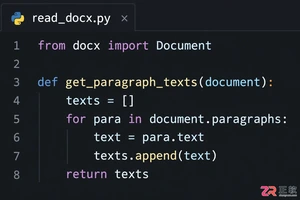
介绍如何利用编程工具读取和解析Word文档(docx格式),涵盖基础文本提取代码示例、结构化数据处理逻辑,以及处理复杂排版时的技术局限与替代方案。

详细讲解在Python中调用C语言代码提升性能的完整实践指南,包含原理分析、编译步骤、ctypes与CFFI具体实现、性能对比及常见陷阱。
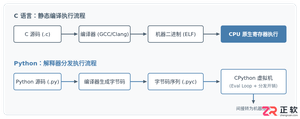
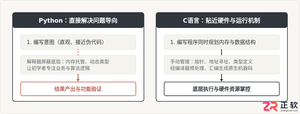
客观对比Python与C语言在心智负担、底层机制与学习反馈上的核心差异,提供清晰有据的选择标准与切实的入门学习路径。


针对大数据工程场景,系统对比Java、Scala与Python在执行性能、生态结合、开发效率和维护成本上的核心差异,给出清晰的架构选型依据与落地方案。
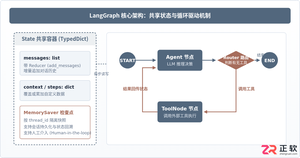
本篇LangGraph Python中文入门教程详解,系统梳理StateGraph状态机定义、节点编写、边与条件路由、检查点持久化(MemorySaver)等核心机制,提供从环境安装到完整循环智能体构建的代码示例与实操指导。
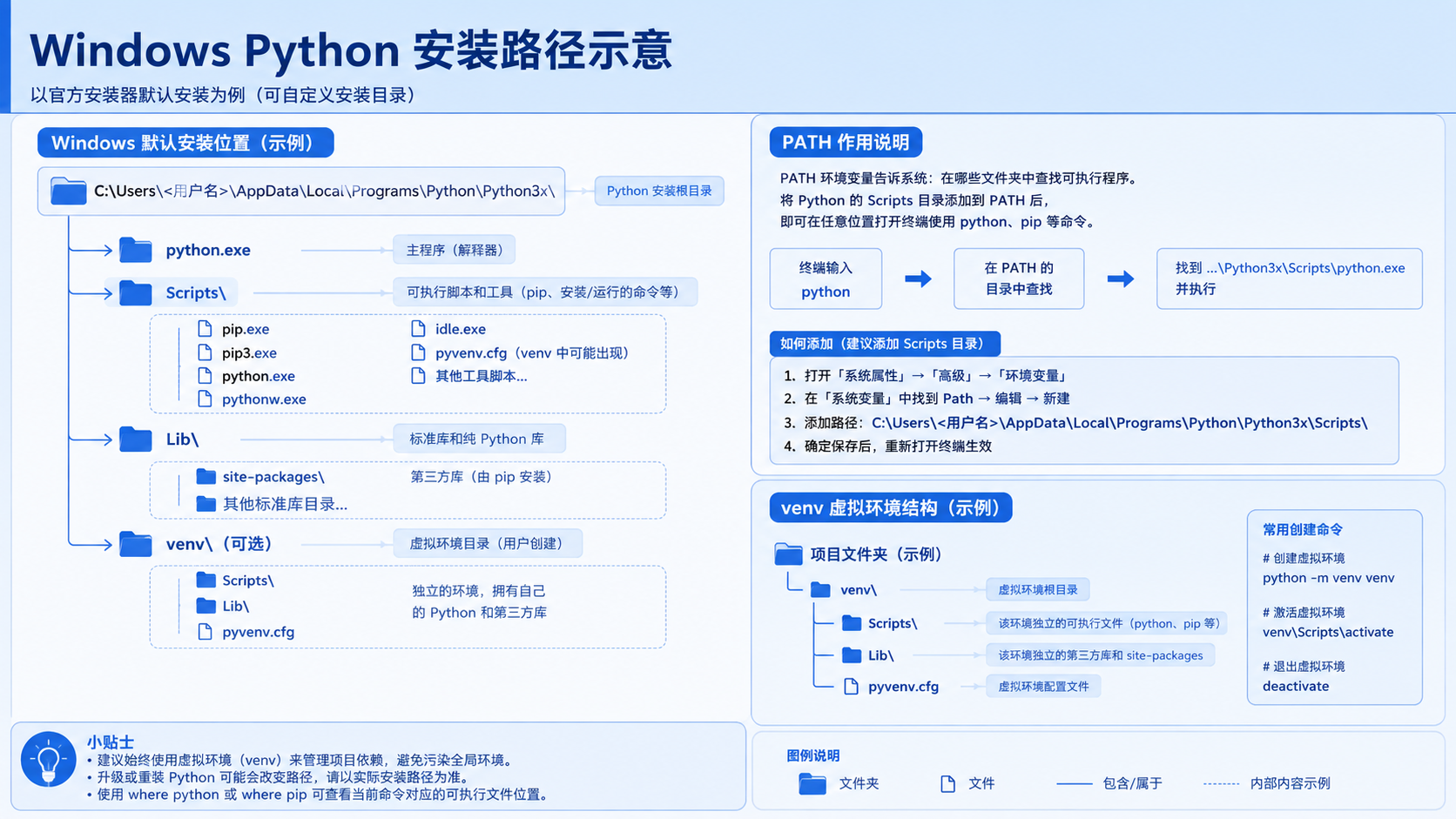
面向后端开发者,基于 Python 官方文档说明如何在 Windows 上安装 Python、创建 venv 虚拟环境及使用 pip 管理依赖。包含可复制命令、验证方法及工具选择边界,避免常见配置误区。





火山引擎是字节跳动旗下企业级云与AI服务平台。聚焦大模型核心能力,依托字节自研豆包多模态大模型,凭借火山方舟一站式平台,提供模型精调、推理部署、智能应用搭建等全链路服务,结合高性能AI算力,助力各行业快速落地大模型数字化与智能化应用。