

Java中Wrapper如何使用
一、概述针对八种基本数据类型定义相应的引用类型—包装类(封装类)。二、作用有了类的特点,就可以调用类中的方法,Java才是真正的面向对象。八种基本数据类型与其包装类的对应关系:基本数据类型包装类byteByteshortShortintIntegerlongLongfloatFloatdoubleDoublebooleanBooleancharCharacter三、使用1.基本数据类型-包装类的实例(装箱)⭕通过包装类的构造器实现:inti=500;Integert=newInteger(i)
一、概述
针对八种基本数据类型定义相应的引用类型—包装类(封装类)。
二、作用
有了类的特点,就可以调用类中的方法,Java才是真正的面向对象。
八种基本数据类型与其包装类的对应关系:
| 基本数据类型 | 包装类 |
|---|---|
byte | Byte |
short | Short |
int | Integer |
long | Long |
float | Float |
double | Double |
boolean | Boolean |
char | Character |
三、使用
1. 基本数据类型-包装类的实例(装箱)
⭕ 通过包装类的构造器实现:
int i = 500;
Integer t = new Integer(i);
⭕ 通过字符串参数构造包装类对象:
Float f = new Float(“4.56”);
//Long l = new Long(“asdf”); 报错:NumberFormatException
⭕ 错误举例:
Integer in3 = new Integer("123abc");
System.out.println(in3.toString());
/*
报错:
Exception in thread "main" java.lang.NumberFormatException: For input string: "123abc"
 */
2. 包装类-基本数据类型(拆箱)
⭕ 调用包装类的xxxValue()方法:
boolean b = bObj.booleanValue();
注意:JDK1.5之后,支持自动装箱,自动拆箱。但类型必须匹配
3. String-基本数据类型/包装类
⭕ 通过包装类的构造器实现:
int i = new Integer(“12”);
⭕ 通过包装类的parseXxx(String s)静态方法:
Float f = Float.parseFloat(“12.1”);
⭕ 错误举例:
int num1 = (int)str1;
Integer in1 = (Integer)str1;
//可能会报NumberFormatException
4. 基本数据类型/包装类-String
⭕ 调用字符串重载的valueOf()方法:
String fstr = String.valueOf(2.34f);
⭕ 更直接的方式:
String intStr = 5 + "";
5. 转换图
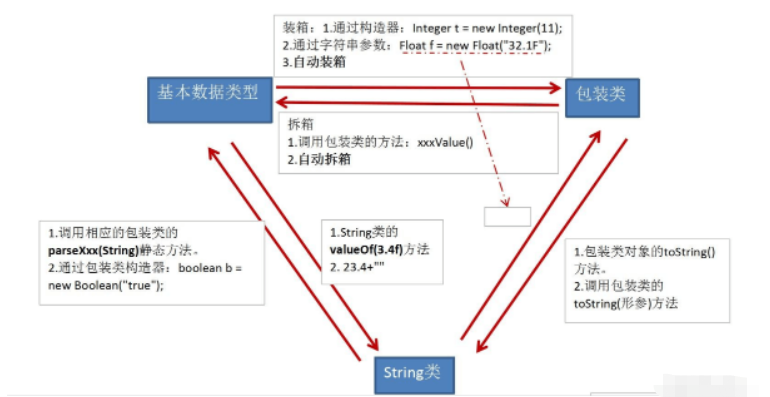
四、经典题目
//(1)
     Object o1 = true ? new Integer(1) : new Double(2.0);
     System.out.println(o1);//1.0
     Object o2;
        if (true)
            o2 = new Integer(1);
        else
            o2 = new Double(2.0);
        System.out.println(o2);//1
    }
//(2)
//java
        Integer i = new Integer(1);
        Integer j = new Integer(1);
        System.out.println(i == j);//false
        Integer m = 1;
        Integer n = 1;
        System.out.println(m == n);//true
        Integer x = 128;
        Integer y = 128;
        System.out.println(x == y);//false
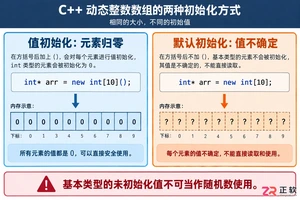
深入解析C++中动态数组的初始化机制,涵盖new操作符的不同用法、基本类型与类对象的初始化差异,以及为何在现代C++开发中应优先使用std::vector。

谷歌浏览器Mac版官方安装指南 谷歌浏览器Mac版官方安装入口是https://www.google.com/chrome/,需macOS 12+系统、500MB空间,下载.dmg后拖入应用程序安装,支持多设备同步、性能优化与隐私保护功能。 苹果电脑Chrome的安装入口究竟在哪里?这个问题最近可是

Chrome中JavaScript未执行需依次检查:一、移除站点级禁用并添加允许域名;二、开启全局JavaScript开关;三、禁用干扰扩展;四、在开发者工具中启用JavaScript;五、重置内容设置为默认。 有时在Chrome里打开网页,会发现交互按钮点了没反应,数据加载不出来,页面仿佛“静止”

IE浏览器怀旧版在线网址:一次精准的技术时光回溯 最近,不少老用户和怀旧爱好者在反复搜索一个问题:那个经典的Internet Explorer,如今还能在哪里原汁原味地体验到?答案指向一个特定的地址:https://ie.microsoft.com/legacy/。 这个网站远不止是一个简单的“皮肤


Chrome官方免验证入口为https://www.google.cn/chrome/,提供全平台安装包、免登录即用、本地化安全机制及引擎级性能优化。 到底该去哪里找正版、免费且无需繁琐验证的Chrome浏览器入口?这个问题困扰了不少网友。今天,我们就来直通核心,为大家详细拆解Chrome引擎的官方

Java堆是JVM存储对象的核心内存区域,配置需结合场景:单体应用适中设置;大数据处理需大堆并关注GC停顿;微服务强调快速启动;高并发需精细划分堆区域。关键参数-Xms和-Xmx建议等值以稳定性能。垃圾回收器选择影响效率,如G1适用于大堆,ZGC可实现低停顿。内存错误时需监控堆状态。

Java堆内存溢出错误通常因内存泄漏、数据处理需求过大或JVM参数配置不当引起。排查时可借助jmap、堆转储及MAT等工具定位问题。解决方案包括调整JVM内存参数(如-Xmx)、修复代码中的内存泄漏、优化大数据处理逻辑,并建立持续监控与预防机制,以保障应用稳定运行。

XML在Java开发中用于配置、数据交换等场景。解析方式主要有DOM、SAX、StAX及第三方库。DOM适合操作小文件,SAX/StAX适合处理大文件流,JAXB用于对象与XML映射。选型需结合数据大小、内存、性能及团队熟悉度,现代框架常封装底层解析。
命名空间的基本概念与常见引入问题在C++等编程语言中,命名空间(namespace)是一种将代码标识符(如变量、函数、类名)封装在特定名称下的机制,其主要目的是避免命名冲突,尤其是在大型项目或使用多个第三方库时。使用“using namespace”指令可以将指定命名空间中的所有名称引入当前作用域,






Windows 10 是一款微软推出的经典操作系统,拥有硬件兼容性与多任务处理能力。它更偏向把系统状态查看和常用调节动作放在一起,适合需要持续观察和微调设备状态的场景。

极度公式是一款跨平台专业LaTeX公式识别编辑软件,支持OCR公式识别和多平台编辑。和使用说明,避免使用,享受完整功能与稳定支持。做扫描整理、文字提取和表格转换时,它能把识别后的处理步骤接得更顺,资料录入这类场景会省下不少时间。