

Python中装饰器的常见问题及解决方案
Python中装饰器的常见问题及解决方案什么是装饰器?装饰器是Python中一种非常强大的功能,可以用来修改已有函数或类的行为,而无需修改其源代码。装饰器实际上是个函数或类,它接受一个函数或类作为参数,然后返回一个新的函数或类。如何编写一个简单的装饰器?下面是一个简单的装饰器示例:defdecorator(func):definner_func
Python中装饰器的常见问题及解决方案
- 什么是装饰器?
装饰器是Python中一种非常强大的功能,可以用来修改已有函数或类的行为,而无需修改其源代码。装饰器实际上是个函数或类,它接受一个函数或类作为参数,然后返回一个新的函数或类。 - 如何编写一个简单的装饰器?
下面是一个简单的装饰器示例:
def decorator(func):
    def inner_function():
        print("Before function")
        func()
        print("After function")
    return inner_function

@decorator
def hello():
    print("Hello, World!")

hello()
输出结果为:
Before function
Hello, World!
After function
这个装饰器函数将在原始函数执行前后打印额外的信息。
- 装饰器与闭包的关系是什么?
装饰器本质上是一个闭包函数。闭包是指在一个内部函数中引用了外部函数的变量,这样内部函数就可以访问外部函数的变量。在装饰器中,内部函数接受外部函数的参数,并在内部函数中调用外部函数。 - 如何在装饰器中传递参数?
有时候,我们需要在装饰器中传递额外的参数。可以通过定义一个带参数的装饰器函数来实现。
def decorator_with_args(arg1, arg2):
    def decorator(func):
        def inner_function(*args, **kwargs):
            print(f"Decorator arg1={arg1}, arg2={arg2}")
            func(*args, **kwargs)
        return inner_function
    return decorator

@decorator_with_args("Hello", 42)
def hello(name):
    print(f"Hello, {name}!")

hello("World")
输出结果为:
Decorator arg1=Hello, arg2=42
Hello, World!
这个例子中,装饰器函数decorator_with_args接收两个参数,然后返回一个新的装饰器函数。新的装饰器函数接受目标函数的参数,并在打印参数的同时调用目标函数。
- 装饰器如何保留原始函数的元信息?
在装饰器的内部函数中,经常会使用@functools.wraps装饰器来保留原始函数的元信息。这样可以避免因装饰器修改了函数名、文档字符串等信息而导致调试困难。
import functools

def decorator(func):
    @functools.wraps(func)
    def inner_function(*args, **kwargs):
        print("Before function")
        func(*args, **kwargs)
        print("After function")
    return inner_function

@decorator
def hello():
    """This is the Hello function."""
    print("Hello, World!")

print(hello.__name__)
print(hello.__doc__)
输出结果为:
hello
This is the Hello function.
这个例子中,@functools.wraps(func)保留了原始函数的__name__和__doc__属性。
- 装饰器如何在类中使用?
装饰器不仅可以应用于函数,还可以应用于类。在类的装饰器中,装饰器函数接收一个类作为参数,并返回一个新的类。
def decorator(cls):
    class NewClass(cls):
        def decorated_method(self):
            print("Decorated method")
            super().decorated_method()

    return NewClass

@decorator
class MyClass:
    def decorated_method(self):
        print("Original method")

obj = MyClass()
obj.decorated_method()
输出结果为:
Decorated method
Original method
这个例子中,装饰器函数创建了一个新的类NewClass,该类继承自原始类MyClass,并在原始方法中添加了额外的功能。
总结:
装饰器是Python中一种非常强大的功能,可以用来修改已有函数或类的行为。在使用装饰器时,可能会遇到一些问题,如如何传递额外的参数、如何保留原始函数的元信息等。上述例子提供了一些常见问题的解决方案,并通过代码示例进行了详细说明。通过灵活运用装饰器,可以为我们的代码增加更多的可扩展性和可重用性。

加州大学圣地亚哥分校研究发现世界模型产生幻觉的根源是训练数据覆盖不足,归纳为感知幻觉、动作边缘化幻觉和场景发散幻觉三类,并提出三种预测信号及覆盖感知训练、针对性数据收集两种干预方案。

WRC 2026 乐聚「3+N」全场景实干方案亮相2026年8月20日,世界机器人大会(WRC)于北京盛大开幕。乐聚机器人此次带来了行业首发的全栈国产化「3 + N」批量部署行业解决方案,其展台更是本届展会中唯一能实现全场景、全自主、全天候机器人不停机作业的。该展台展示内容涵盖科研、商服、工业三大领
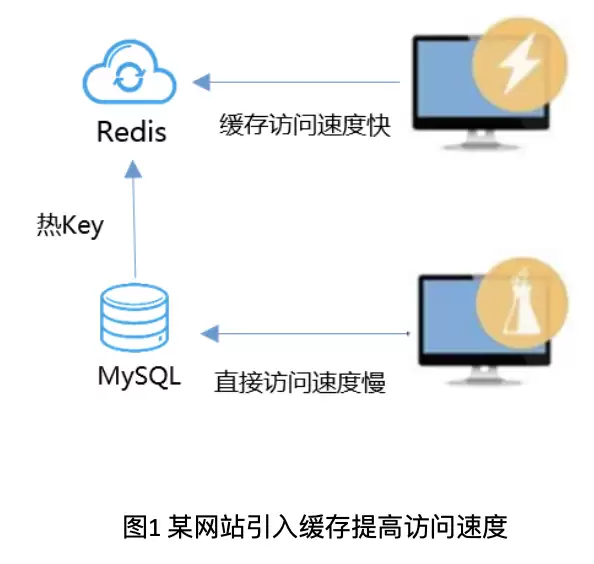
随着云计算十余年的高速发展,作为目前可见的最新阶段,多云正在快步大踏步前进。而多云趋势所带来得数据云间迁移,也逐步常态化。因此,缓存 Redis 已成为高并发场景下提升数据访问速度的标配。不仅是数据云间迁移,目前大型系统对于缓存强依赖,致使大多数企业都会面临大量并发读写数据时访问速度慢、数据库压力大

01、企业发布现状痛点目前企业在选择和实施发布策略时面临以下困境:缺乏云原生能力:由于从传统部署转变为云原生模式后,技术架构改造需要具备相关能力的人才。这使得企业在发布策略方面难以入手。缺乏自动化平台支持:即使找到适合产品现状的发布策略,仍然依赖手工逐步执行。这可能导致流程遗漏或人工操作失误,造成生

杨华勇院士等专家探讨组织器官生物制造前沿进展。我国发明专利和科研产出居世界前列,骨科植入物等已进入临床。预计未来5-6年功能性皮肤、15-20年大型脏器、30年复杂器官有望临床应用。AI赋能与伦理问题引发关注。

南芯科技在2026慕尼黑上海电子展展出高端消费电子、汽车电子等产品线,覆盖AI眼镜、机器人、智能手机、笔记本电脑、电视、可穿戴及移动电源等领域,提供从电源管理到电机控制的端到端解决方案。
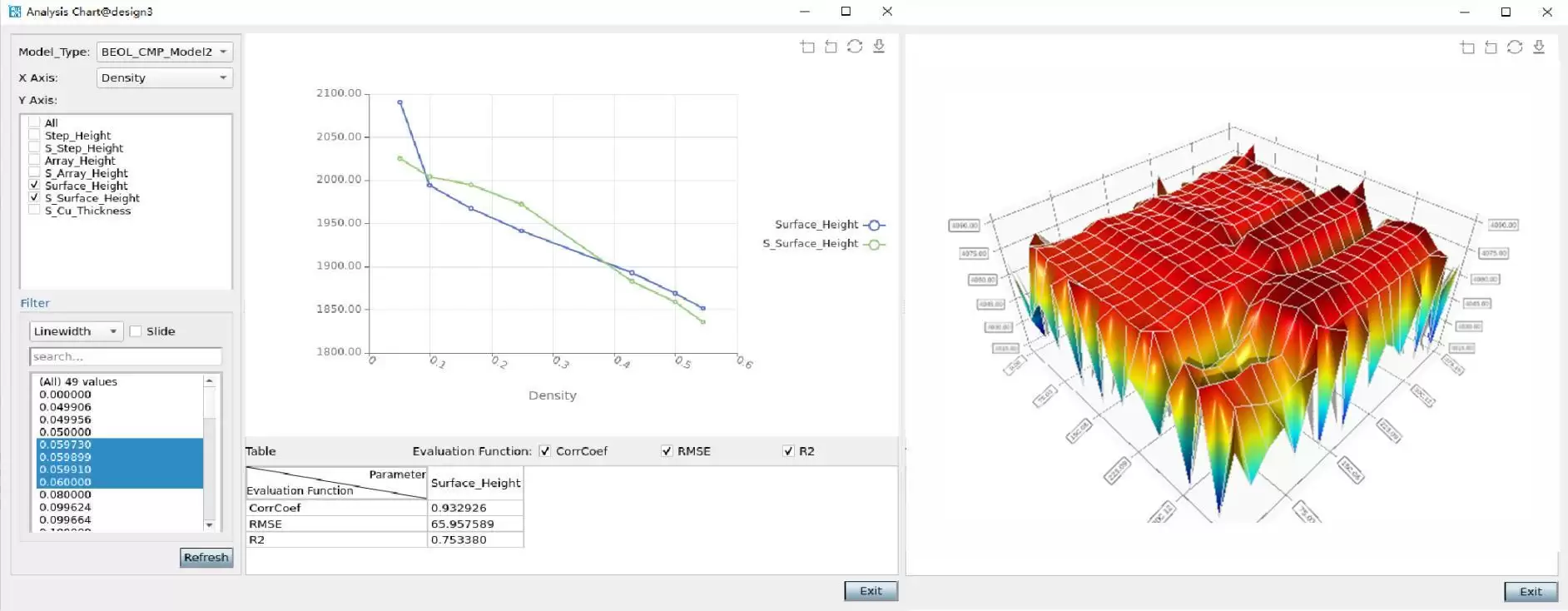
后摩尔时代,韬定律通过逻辑折叠、超细间距混合键合与TSV多层堆叠提升芯片性能,但面临键合缺陷、晶圆参数失配及DFT测试效率瓶颈。广立微打造涵盖DFM仿真、高速电性测试、AI晶圆配对及3D专用DFT的全链路国产方案,助力3DIC规模化量产。

Torna1.35.6与2.1.20版本发布,优化单值返回结果展示逻辑,修复接口名称为空时Tab标签消失问题,新增点击接口名称跳转预览页面,改进Markdown渲染。Torna是一款接口文档管理工具,支持多人协同编辑、多源文档统一归档,扩展了Swagger的易用性与集成性。

遇到iPhone15上的应用删不掉?别急,可以先强制重启设备,或者查查是不是屏幕使用时间给限制了。如果这俩办法都行不通,那么通过电脑上的iTunes(Windows)或Finder(Mac)来恢复系统,通常是解决问题的终极方案。 iPhone15应用删除失败的原因分析 你的iPhone15突然“挽留

盘毂动力在TMC2026上宣布全球率先实现轴向磁通电机稳定规模化量产。该电机有效功率密度达25.73kW/kg,扭矩密度41.2N·m/kg,超92.5%工况效率达92.5%以上。产品覆盖9大产业赛道、100余类场景,销往30多国,并推出面向新能源车的全场景电驱方案,同等性能下减重超30%。





Windows 10 是一款微软推出的经典操作系统,拥有硬件兼容性与多任务处理能力。它更偏向把系统状态查看和常用调节动作放在一起,适合需要持续观察和微调设备状态的场景。

极度公式是一款跨平台专业LaTeX公式识别编辑软件,支持OCR公式识别和多平台编辑。和使用说明,避免使用,享受完整功能与稳定支持。做扫描整理、文字提取和表格转换时,它能把识别后的处理步骤接得更顺,资料录入这类场景会省下不少时间。