

Python创建新线程的常见方法有以下几种:1. 使用 threading 模块(推荐)这是最常用、最灵活的方式,适合大多数场景。示例代码:import thr
答案:Python中创建线程主要有三种方法:1.继承threading.Thread类并重写run()方法,适合封装线程逻辑;2.使用threading.Thread(target=函数)指定目标函数,简洁常用;3.使用threading.Timer实现延迟执行。推荐使用第二种方式,注意线程安全需用Lock处理共享数据。
答案:Python中创建线程主要有三种方法:1. 继承threading.Thread类并重写run()方法,适合封装线程逻辑;2. 使用threading.Thread(target=函数)指定目标函数,简洁常用;3. 使用threading.Timer实现延迟执行。推荐使用第二种方式,注意线程安全需用Lock处理共享数据。

在 Python 中创建新线程主要有以下几种方法,核心依赖于 threading 模块。下面介绍三种常用方式:
1. 继承 threading.Thread 类
通过自定义类继承 threading.Thread,并重写其 run() 方法来定义线程执行的内容。适合需要封装线程逻辑的场景。
示例:
import threading import timeclass MyThread(threading.Thread): def run(self): print(f"线程 {self.name} 开始") time.sleep(2) print(f"线程 {self.name} 结束")
创建并启动线程
t = MyThread() t.start() t.join()
2. 使用 threading.Thread(target=函数)
直接指定一个函数作为目标,通过 target 参数传入,是最简单常用的方式。适用于已有函数可以直接作为线程任务的情况。
示例:
import threading import timedef worker(): print("工作线程开始") time.sleep(2) print("工作线程结束")
t = threading.Thread(target=worker, name="WorkerThread") t.start() t.join()
3. 使用 threading.Timer 延迟执行
如果希望线程在延迟一段时间后才执行,可以使用 threading.Timer。它本质上也是线程,但会在指定时间后运行一次任务。
示例:
from threading import Timerdef delayed_task(): print("延迟任务执行了")
3秒后执行
timer = Timer(3.0, delayed_task) timer.start()
若想取消:timer.cancel()
基本上就这些常用方式。大多数情况下推荐使用第2种(target 函数),简洁明了;需要更复杂控制时可使用继承方式。注意线程间共享数据时要处理好锁(threading.Lock)问题,避免竞争条件。
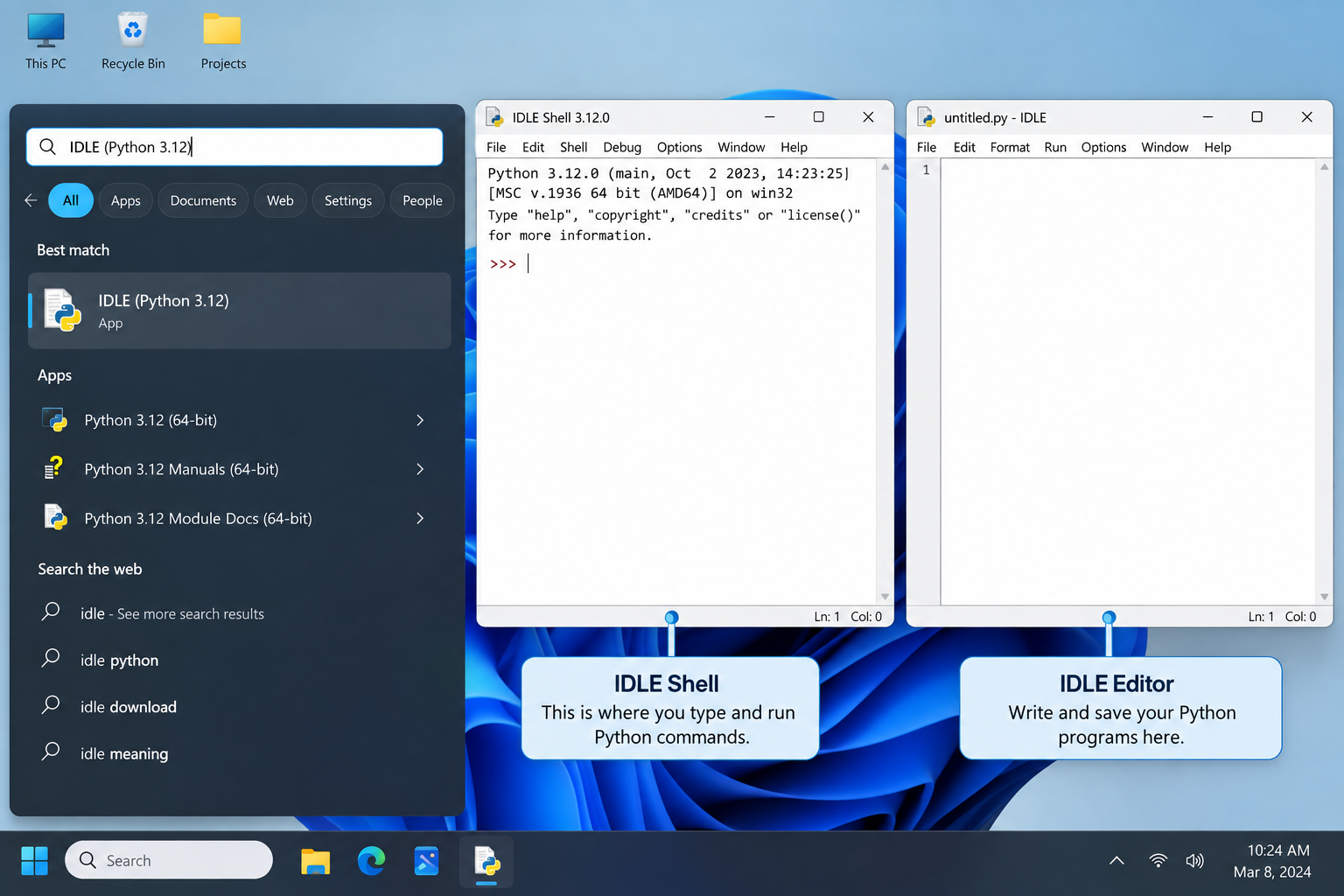
刚在Windows安装好Python却不知道如何启动?本文详细演示如何通过开始菜单找到并打开IDLE集成开发环境,以及如何在PowerShell或命令提示符中使用python和py命令启动交互式解释器、运行.py脚本文件。包含退出解释器的方法及常见启动问题排查,帮助初学者快速验证安装成功并开始编写代码。
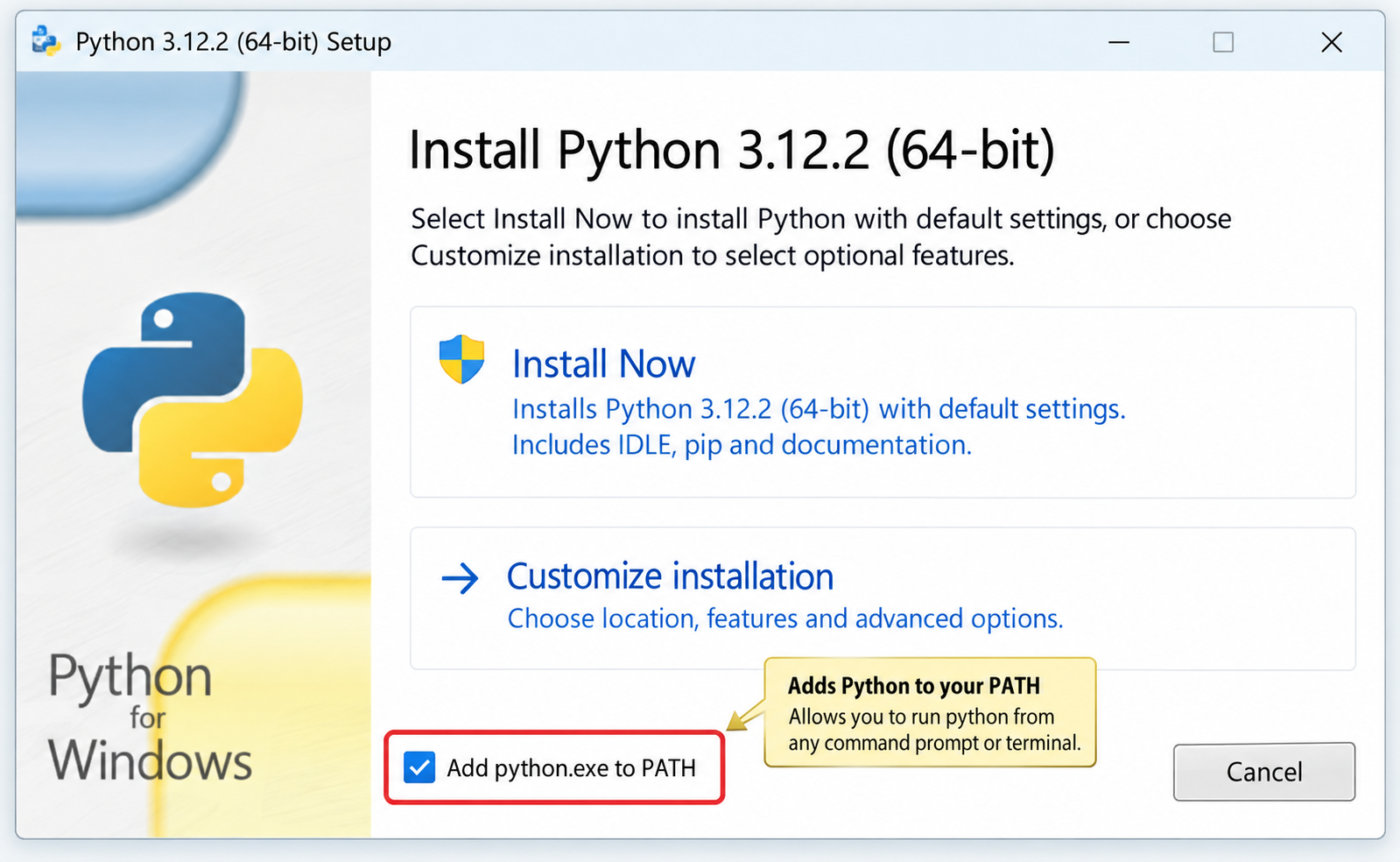
针对Windows初学者的Python安装实战指南。详细讲解如何从Python官网下载匹配架构的安装包,重点演示安装首屏勾选“Add python.exe to PATH”的关键操作,并提供使用python --version和py命令验证环境变量的具体步骤,帮助新手快速搭建开发环境并排查路径问题。
要想确认麒麟OS中Python程序的运行状态以及资源占用情况,我们可以这样做:用ps -ef | grep python来筛选进程;通过top命令,按P键排序查看实时负载;使用pgrep -f "script.py"精准获取PID;借助lsof -p PID验证文件打开状态。另外,还可以结合syst
在Debian系统上配置SSL证书通常涉及以下几个步骤:安装Web服务器:首先,你需要一个Web服务器,比如Apache或Nginx。这里以Apache为例。sudo apt updatesudo apt install apache2获取SSL证书:你可以从Let’s Encrypt免费获取SSL

要想让Python项目在统信UOS上正常运行,得先安装python3、python3-pip、python3-venv、python3-dev以及build-essential等组件。具体操作就是执行sudo apt install命令来一步到位完成安装,同时别忘了配置清华镜像源来给pip加速哦。在
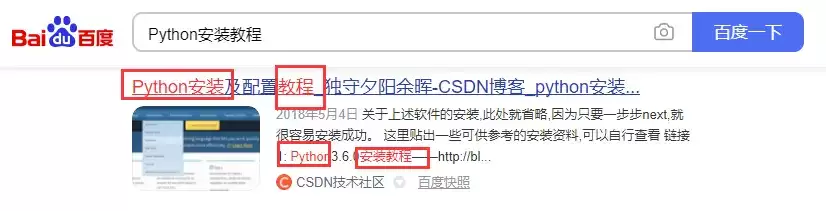
在互联网上的各类网站中,无论大小,基本上都会有一个搜索框,用来给用户对内容进行搜索,小到站点搜索,大到搜索引擎搜索。从简单的来说,搜索功能确实很简单,一个简单的select语句就可以实现数据的搜索。而从复杂的来看,无论是搜索的精度还是搜索的效率,都是有很深的研究范围的。对于简单的搜索功能来说,一个s
立即在终端输入sudo shutdown -c取消倒计时关机,成功后显示“Shutdown cancelled”;若存在pmset重复任务,需再执行sudo pmset repeat cancel清除。Mac因Python脚本执行了os.system("sudo shutdown -h +10")或

之前写过一篇同步场景下用 Python 管理多个固定出口 IP 的实践(ExitPool + requests/httpx),覆盖了健康检查、故障转移和连接池复用。但在实际业务中,越来越多的场景用 asyncio 做高并发采集或批量接口调用——异步事件循环下多出口的管理方式和同步场景完全不同:单线程
写在前面:为什么静态出口 IP 不是"买了就行"不少团队在引入静态出口 IP 产品时,第一反应往往是:“地址配上去,这事就算完了。”可真到了真实业务里,静态出口 IP 真正能体现价值的地方,往往不在分配这一步,而在分配之后怎么管:地址有没有漂移,质量是否达标,某一条线路突然不可用时怎么切换,连接层又
命名空间的基本概念与常见引入问题在C++等编程语言中,命名空间(namespace)是一种将代码标识符(如变量、函数、类名)封装在特定名称下的机制,其主要目的是避免命名冲突,尤其是在大型项目或使用多个第三方库时。使用“using namespace”指令可以将指定命名空间中的所有名称引入当前作用域,






Windows 10 是一款微软推出的经典操作系统,拥有硬件兼容性与多任务处理能力。它更偏向把系统状态查看和常用调节动作放在一起,适合需要持续观察和微调设备状态的场景。

极度公式是一款跨平台专业LaTeX公式识别编辑软件,支持OCR公式识别和多平台编辑。和使用说明,避免使用,享受完整功能与稳定支持。做扫描整理、文字提取和表格转换时,它能把识别后的处理步骤接得更顺,资料录入这类场景会省下不少时间。