

Python基于Pygame开发的记忆训练小游戏
基于Pygame开发的记忆方格游戏,玩家需在短暂展示中记住网格内高亮方格位置,随后凭记忆点击。网格从3×3逐步扩大至6×6,高亮数量随16级关卡递增。答对得分为高亮方格数×10,答错游戏结束,可重试或重开。采用深色调界面与状态机驱动流程。
项目概述
说到用 Python 做 2D 游戏,Pygame 绝对是个绕不开的老朋友。它把图形、声音、输入和事件循环打包得整整齐齐,拿来练手或者做些小项目都挺顺手。这次我们用 Pygame 做一个经典记忆类小游戏——记忆方格(Memory Grid)。
玩法很直接:玩家需要在短暂的展示时间里,记住网格中哪些方格被高亮了,然后等亮光消失后,凭记忆把刚才的位置逐个点出来。随着关卡推进,网格从 3×3 一路扩大到 6×6,高亮方格的数量也在不断爬坡,对短期记忆的挑战一步步升级。具体细节如下:
- 记忆阶段:每轮开始时,目标方格会以金色高亮显示 1.2 秒,屏幕底部还有一根倒计时进度条,时刻提醒你抓紧时间。
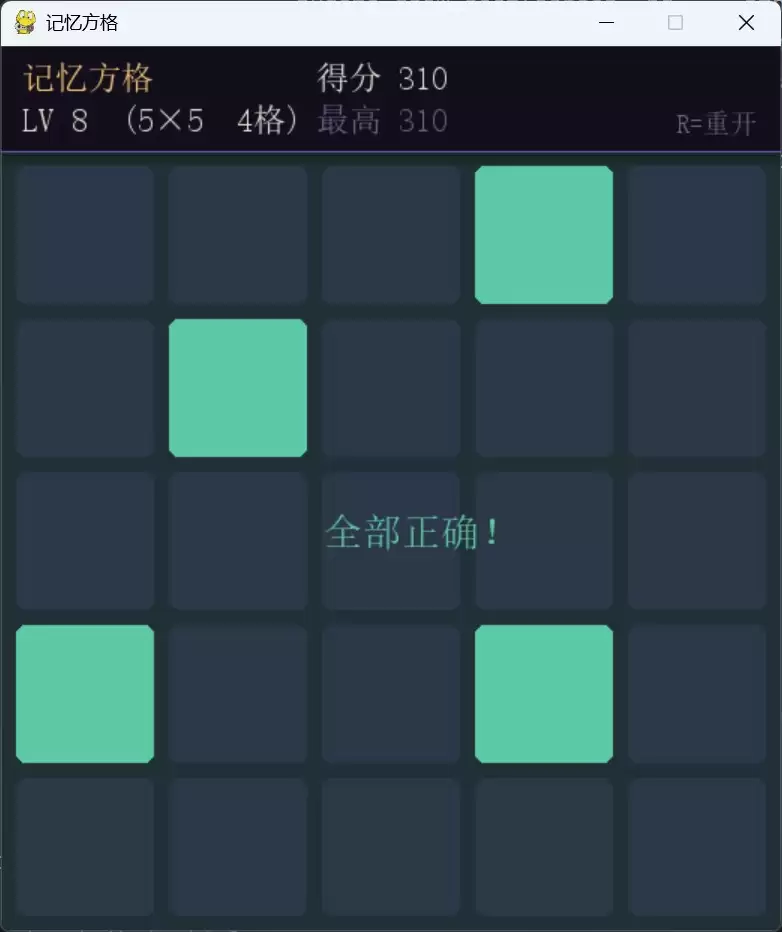
- 作答阶段:高亮消失后,玩家逐一点击自己认为正确的方格。点对了方格变成青绿色并触发粒子爆炸特效,点错了则变红并立即结束本轮。
- 关卡递进:全部点对后自动进入下一关,难度按照预先设计好的表格线性提升——先增加高亮数量,再扩大网格尺寸,总共 16 级。
- 得分规则:每关得分为
高亮方格数 × 10,方格越多单关分值越高,最高分跨局保留。 - 失败处理:点错即游戏结束,结束画面会同时展示正确的图案(半透明金色),并提供“再试本关”和“重新开始”两个选项。
- 键盘操作:R 键重新开始,Enter 键再试本关(仅游戏结束时有效)。
游戏实现
初始化与基础设置
游戏启动时先初始化 Pygame,然后定义好屏幕尺寸和 HUD 高度。游戏区是 520×520 像素的正方形,顶部留出 70 像素作为 HUD 信息栏,总窗口高度就是 590。
pygame.init()

SIZE  = 520
HUD_H = 70
screen = pygame.display.set_mode((SIZE, SIZE + HUD_H))
pygame.display.set_caption("记忆方格")
clock  = pygame.time.Clock()
颜色定义
BG      = (12,  10,  18)    # 全局深色背景
HUD_BG  = (18,  14,  28)    # HUD 背景
GRID_BG = (22,  18,  34)    # 网格背景板
EMPTY   = (35,  28,  55)    # 空格底色
CORRECT = (93,  202, 165)   # 答对颜色(青绿)
WRONG   = (226,  75,  74)   # 答错颜色(红)
ACTIVE  = (83,   74, 183)   # 强调色(靛蓝)
REVEAL  = (250, 199, 117)   # 展示阶段高亮色(金)
WHITE   = (230, 225, 210)   # 主文字
GRAY    = (110, 100, 130)   # 次要文字
DIM     = (60,   52,  90)   # 暗色按钮底色
整体采用深紫色调背景,金色、青绿色、红色三种功能色分工明确,视觉语义一眼就能看懂。
难度表格
LEVELS = [
    (3, 2),   # lv1 : 3×3, 2 个高亮格
    (3, 3),   # lv2
    (3, 4),   # lv3
    (4, 3),   # lv4 : 网格扩大至 4×4
    (4, 4),   # lv5
    # ...共 16 级
    (6, 9),   # lv16: 6×6, 9 个高亮格
]
每个元素是 (grid_size, num_lit) 二元组,高亮比例始终控制在 20%~40% 之间,保证难度循序渐进又不至于卡关。如果关卡数超过了表格长度,就自动停留在最高难度。
字体加载
CHINESE_FONT_PATH = r"C:/Windows/Fonts/simsun.ttc"
try:
    font_hud = pygame.font.Font(CHINESE_FONT_PATH, 22)
    font_big = pygame.font.Font(CHINESE_FONT_PATH, 52)
    font_mid = pygame.font.Font(CHINESE_FONT_PATH, 26)
    font_sm  = pygame.font.Font(CHINESE_FONT_PATH, 18)
except FileNotFoundError:
    font_hud = pygame.font.SysFont("Arial", 20, bold=True)
    # ...
优先加载系统宋体,这样中文能正常显示;万一路径不对,就回退到 SysFont,保证跨平台都能跑。
布局计算
网格尺寸会随关卡动态变化,所以每个方格的大小也需要实时算。布局函数 compute_layout 专门干这个事:
def compute_layout(cols):
    area  = SIZE - GAP * (cols + 1)   # 可用像素宽度(扣除所有间距)
    tw    = area // cols               # 单格宽度
    th    = tw                         # 保持正方形
    total_w = cols * tw + GAP * (cols + 1)
    ox    = (SIZE - total_w) // 2      # 水平居中偏移
    return tw, th, ox
固定间距 GAP = 10,均匀分配可用宽度,整个网格水平居中。当网格从 3 列增加到 6 列时,方格边长会自动从约 160px 缩小到约 73px,始终填满同一区域。
而 tile_rect 则通过行列索引直接算出每个方格的像素坐标,供绘制和碰撞检测复用:
def tile_rect(row, col, cols, tile_w, tile_h, ox):
    x = ox + GAP + col * (tile_w + GAP)
    y = HUD_H + GAP + row * (tile_h + GAP)
    return pygame.Rect(x, y, tile_w, tile_h)
核心类设计
粒子类(Particle)
跟打砖块游戏里的粒子效果类似,点击方格时触发小型爆炸动画,答对和答错用不同颜色区分:
class Particle:
    def __init__(self, x, y, color):
        self.vx  = random.uniform(-2.5, 2.5)
        self.vy  = random.uniform(-3.5, 0.5)
        self.life = 22
        self.color = color

    def update(self):
        self.x  += self.vx
        self.y  += self.vy
        self.vy += 0.18    # 模拟重力
        self.life -= 1

    def draw(self, surf):
        a = min(255, self.life * 11)   # 透明度线性衰减
        s = pygame.Surface((5, 5), pygame.SRCALPHA)
        s.fill((*self.color[:3], a))
        surf.blit(s, (int(self.x), int(self.y)))
答对生成青绿色粒子,答错生成红色粒子,颜色直接告诉玩家结果。
游戏主类(Game)
Game 类用状态机驱动整个流程,所有逻辑集中在一处,清晰又好扩展。
状态机设计:
reveal → input → correct → (下一关 reveal)
                ↘ wrong → gameover → restart / retry
五个状态各有各的绘制逻辑和事件响应方式,职责分明。
构造函数 __init__:
def __init__(self):
    self.score     = 0
    self.best      = 0
    self.level     = 0      # LEVELS 表格索引
    self.particles = []
    self._new_round()
新回合初始化 _new_round:
def _new_round(self):
    cols, num_lit = LEVELS[min(self.level, len(LEVELS) - 1)]
    self.cols    = cols
    self.num_lit = num_lit
    self.tile_w, self.tile_h, self.ox = compute_layout(cols)
    self.pattern = set(random.sample(range(cols * cols), num_lit))
    self.clicked  = set()    # 玩家已点中的正确格
    self.wrong_set = set()   # 玩家点错的格
    self.state   = "reveal"
    self.timer   = time.time()
pattern 用 random.sample 从所有格子索引中无重复抽取 num_lit 个,保证每局图案随机且不重叠。clicked 和 wrong_set 分开存储,绘制时分颜色渲染。
重开与重试:
def _restart(self):
    """完全重开:分数和关卡归零。"""
    self.score = 0
    self.level = 0
    self.particles = []
    self._new_round()

def _retry(self):
    """再试本关:保留分数和最高分,重置图案。"""
    self.particles = []
    self._new_round()
两种重置策略分开处理,_retry 不修改 self.level,玩家可以在同一关卡反复练,不影响历史最高分。
事件处理 handle_events
def handle_events(self):
    for event in pygame.event.get():
        ...
        if event.type == pygame.MOUSEBUTTONDOWN and event.button == 1:
            if self.state == "input":
                idx = self._cell_at(*event.pos)
                if idx is not None and idx not in self.clicked and idx not in self.wrong_set:
                    if idx in self.pattern:
                        self.clicked.add(idx)
                        # 生成青绿粒子
                        if self.clicked == self.pattern:
                            self.score += self.num_lit * 10
                            self.state = "correct"
                    else:
                        self.wrong_set.add(idx)
                        # 生成红色粒子
                        self.state = "wrong"
点击逻辑分三层:① 点到有效格子、② 该格尚未被点过、③ 是否在答案集合中。用 self.clicked == self.pattern 集合相等判断是否全部答对,避免了逐一遍历。
单元格点击检测 _cell_at:
def _cell_at(self, mx, my):
    for r in range(self.cols):
        for c in range(self.cols):
            rect = tile_rect(r, c, self.cols, self.tile_w, self.tile_h, self.ox)
            if rect.collidepoint(mx, my):
                return r * self.cols + c
    return None
遍历所有格子矩形,找到鼠标位置对应的线性索引,与 pattern 集合中的索引格式一致。
核心更新 update
def update(self):
    now = time.time()
    if self.state == "reveal":
        if now - self.timer >= REVEAL_SECS:    # 展示 1.2 秒后切换
            self.state = "input"
    elif self.state == "correct":
        if now - self.timer >= 0.7:            # 短暂绿色反馈后进入下一关
            self.level = min(self.level + 1, len(LEVELS) - 1)
            self._new_round()
    elif self.state == "wrong":
        if now - self.timer >= 1.0:            # 短暂红色反馈后显示结束画面
            self.state = "gameover"

    for p in self.particles[:]:
        p.update()
        if p.life <= 0:
            self.particles.remove(p)
用 time.time() 计时,而不是帧计数,这样不管机器帧率多少,状态切换时间都是一致的。“答对”和“答错”都预留了一小段视觉反馈时间,画面不会突然跳变。
绘制方法 draw
倒计时进度条:
if self.state == "reveal":
    remaining = max(0.0, REVEAL_SECS - (time.time() - self.timer))
    bar_w = int((remaining / REVEAL_SECS) * (SIZE - 40))
    pygame.draw.rect(screen, DIM,    (20, y, SIZE - 40, 6), border_radius=3)
    pygame.draw.rect(screen, REVEAL, (20, y, bar_w,    6), border_radius=3)
进度条的宽度跟剩余展示时间线性对应,实时缩短,给玩家一种“时间在跑”的紧迫感。
方格多状态渲染:
for idx in range(cols * cols):
    r, c = divmod(idx, cols)
    rect = tile_rect(r, c, cols, tw, th, ox)

    pygame.draw.rect(screen, EMPTY, rect, border_radius=6)   # 基础底色

    if revealing and idx in self.pattern:
        pygame.draw.rect(screen, REVEAL, rect, border_radius=6)   # 金色展示
    elif idx in self.clicked:
        pygame.draw.rect(screen, CORRECT, rect, border_radius=6)  # 青绿已答
    elif idx in self.wrong_set:
        pygame.draw.rect(screen, WRONG, rect, border_radius=6)    # 红色答错
    elif showing_answer and idx in self.pattern:
        # 游戏结束时半透明显示正确答案
        s = pygame.Surface((tw, th), pygame.SRCALPHA)
        pygame.draw.rect(s, (*REVEAL, 120), (0, 0, tw, th), border_radius=6)
        screen.blit(s, rect.topleft)
每个方格根据当前状态和所属集合选择渲染颜色,逻辑清晰。游戏结束时用半透明金色叠加显示正确答案,方便玩家对照学习。
鼠标悬停高亮:
if self.state == "input":
    mx, my = pygame.mouse.get_pos()
    if rect.collidepoint(mx, my) and idx not in self.clicked and idx not in self.wrong_set:
        s = pygame.Surface((tw, th), pygame.SRCALPHA)
        pygame.draw.rect(s, (255, 255, 255, 30), (0, 0, tw, th), border_radius=6)
        screen.blit(s, rect.topleft)
仅在作答阶段、鼠标悬停在未点击格子上时叠加一个半透明白色高亮,交互反馈很轻,不会干扰信息。
结束画面按钮:
for btn, label, color in [
    (btn_retry,   "再试本关  Enter", ACTIVE),
    (btn_restart, "重新开始  R",     DIM),
]:
    hover = btn.collidepoint(mx, my)
    bg    = tuple(min(255, v + 30) for v in color) if hover else color
    pygame.draw.rect(screen, bg,    btn, border_radius=8)
    pygame.draw.rect(screen, WHITE, btn, width=1, border_radius=8)
鼠标悬停时按钮颜色各通道提亮 30,模拟简单的 hover 效果;同时按钮内显示对应的键盘快捷键,提醒玩家也能用键盘操作。
绘制顺序是:背景 → HUD → 网格底板 → 方格 → 粒子 → 状态遮罩 → 结束按钮,层次严格保证。
主循环 run:
def run(self):
    while True:
        self.handle_events()
        self.update()
        self.draw()
        clock.tick(60)
固定 60 FPS,保证动画和计时器在不同性能的机器上表现一致。
全部代码
import pygame
import sys
import random
import time

pygame.init()

SIZE     = 520
HUD_H    = 70
screen   = pygame.display.set_mode((SIZE, SIZE + HUD_H))
pygame.display.set_caption("记忆方格")
clock    = pygame.time.Clock()

# ── Colors ──────────────────────────────────────────────────────────────────
BG        = (12,  10,  18)
HUD_BG    = (18,  14,  28)
GRID_BG   = (22,  18,  34)
EMPTY     = (35,  28,  55)
CORRECT   = (93, 202, 165)    # teal-green
WRONG     = (226, 75,  74)    # red
ACTIVE    = (83,  74, 183)    # indigo
REVEAL    = (250,199, 117)    # gold
WHITE     = (230, 225, 210)
GRAY      = (110, 100, 130)
DIM       = (60,  52,  90)

CHINESE_FONT_PATH = r"C:/Windows/Fonts/simsun.ttc"
try:
    font_hud  = pygame.font.Font(CHINESE_FONT_PATH, 22)
    font_big  = pygame.font.Font(CHINESE_FONT_PATH, 52)
    font_mid  = pygame.font.Font(CHINESE_FONT_PATH, 26)
    font_sm   = pygame.font.Font(CHINESE_FONT_PATH, 18)
except FileNotFoundError:
    font_hud  = pygame.font.SysFont("Arial", 20, bold=True)
    font_big  = pygame.font.SysFont("Arial", 48, bold=True)
    font_mid  = pygame.font.SysFont("Arial", 24, bold=True)
    font_sm   = pygame.font.SysFont("Arial", 16)

# ── Difficulty table  (grid_size, num_lit) ──────────────────────────────────
# Keep lit-ratio between ~20%-40% for good difficulty
LEVELS = [
    (3, 2),   # lv1  : 3×3, 2 lit
    (3, 3),   # lv2
    (3, 4),   # lv3
    (4, 3),   # lv4  : 4×4, 3 lit  (grid grows)
    (4, 4),   # lv5
    (4, 5),   # lv6
    (4, 6),   # lv7
    (5, 4),   # lv8  : 5×5
    (5, 5),   # lv9
    (5, 6),   # lv10
    (5, 7),   # lv11
    (6, 5),   # lv12 : 6×6
    (6, 6),   # lv13
    (6, 7),   # lv14
    (6, 8),   # lv15
    (6, 9),   # lv16
]

REVEAL_SECS = 1.2      # how long to show the pattern

GAP = 10               # gap between tiles


def compute_layout(cols):
    """Return (tile_w, tile_h, offset_x) for a given grid size."""
    area  = SIZE - GAP * (cols + 1)
    tw    = area // cols
    th    = tw
    total_w = cols * tw + GAP * (cols + 1)
    ox    = (SIZE - total_w) // 2
    return tw, th, ox


def tile_rect(row, col, cols, tile_w, tile_h, ox):
    x = ox + GAP + col * (tile_w + GAP)
    y = HUD_H + GAP + row * (tile_h + GAP)
    return pygame.Rect(x, y, tile_w, tile_h)


class Particle:
    def __init__(self, x, y, color):
        self.x   = float(x)
        self.y   = float(y)
        self.vx  = random.uniform(-2.5, 2.5)
        self.vy  = random.uniform(-3.5, 0.5)
        self.life = 22
        self.color = color

    def update(self):
        self.x  += self.vx
        self.y  += self.vy
        self.vy += 0.18
        self.life -= 1

    def draw(self, surf):
        if self.life <= 0: return
        a = min(255, self.life * 11)
        s = pygame.Surface((5, 5), pygame.SRCALPHA)
        s.fill((*self.color[:3], a))
        surf.blit(s, (int(self.x), int(self.y)))


class Game:
    def __init__(self):
        self.score      = 0
        self.best       = 0
        self.level      = 0          # index into LEVELS
        self.particles  = []
        self._new_round()

    # ── State machine ──────────────────────────────────────────────────────
    # state: "reveal"  → showing pattern
    #        "input"   → waiting for player clicks
    #        "correct" → brief green flash
    #        "wrong"   → brief red flash
    #        "gameover"
    def _restart(self):
        """Full restart: score and level reset."""
        self.score = 0
        self.level = 0
        self.particles = []
        self._new_round()

    def _retry(self):
        """Same level, keep score and best."""
        self.particles = []
        self._new_round()

    def _new_round(self):
        cols, num_lit = LEVELS[min(self.level, len(LEVELS) - 1)]
        self.cols       = cols
        self.num_lit    = num_lit
        self.tile_w, self.tile_h, self.ox = compute_layout(cols)
        self.pattern    = set(random.sample(range(cols * cols), num_lit))
        self.clicked    = set()
        self.wrong_set  = set()
        self.state      = "reveal"
        self.timer      = time.time()
        self.flash_alpha = 0

    def _cell_at(self, mx, my):
        """Return (row, col) or None."""
        cols = self.cols
        for r in range(cols):
            for c in range(cols):
                rect = tile_rect(r, c, cols, self.tile_w, self.tile_h, self.ox)
                if rect.collidepoint(mx, my):
                    return r * cols + c
        return None

    def _btn_rects(self):
        """Return (btn_restart_rect, btn_retry_rect) for the gameover overlay."""
        cx = SIZE // 2
        cy = HUD_H + SIZE // 2
        bw, bh = 160, 38
        gap = 20
        btn_retry   = pygame.Rect(cx - bw - gap // 2, cy + 60, bw, bh)
        btn_restart = pygame.Rect(cx + gap // 2,       cy + 60, bw, bh)
        return btn_restart, btn_retry

    def handle_events(self):
        for event in pygame.event.get():
            if event.type == pygame.QUIT:
                pygame.quit(); sys.exit()
            if event.type == pygame.KEYDOWN:
                if event.key == pygame.K_r:
                    self._restart()
                if event.key == pygame.K_RETURN and self.state == "gameover":
                    self._retry()
            if event.type == pygame.MOUSEBUTTONDOWN and event.button == 1:
                if self.state == "input":
                    idx = self._cell_at(*event.pos)
                    if idx is not None and idx not in self.clicked and idx not in self.wrong_set:
                        if idx in self.pattern:
                            self.clicked.add(idx)
                            cols = self.cols
                            r, c  = divmod(idx, cols)
                            rect  = tile_rect(r, c, cols, self.tile_w, self.tile_h, self.ox)
                            for _ in range(10):
                                self.particles.append(Particle(rect.centerx, rect.centery, CORRECT))
                            if self.clicked == self.pattern:
                                self.score += self.num_lit * 10
                                if self.score > self.best: self.best = self.score
                                self.state = "correct"
                                self.timer = time.time()
                        else:
                            self.wrong_set.add(idx)
                            cols = self.cols
                            r, c  = divmod(idx, cols)
                            rect  = tile_rect(r, c, cols, self.tile_w, self.tile_h, self.ox)
                            for _ in range(10):
                                self.particles.append(Particle(rect.centerx, rect.centery, WRONG))
                            self.state = "wrong"
                            self.timer = time.time()
                elif self.state == "gameover":
                    btn_restart, btn_retry = self._btn_rects()
                    if btn_restart.collidepoint(event.pos):
                        self._restart()
                    elif btn_retry.collidepoint(event.pos):
                        self._retry()

    def update(self):
        now = time.time()
        if self.state == "reveal":
            if now - self.timer >= REVEAL_SECS:
                self.state = "input"
        elif self.state == "correct":
            if now - self.timer >= 0.7:
                self.level  = min(self.level + 1, len(LEVELS) - 1)
                self._new_round()
        elif self.state == "wrong":
            if now - self.timer >= 1.0:
                # show correct pattern then game over
                self.state = "gameover"

        for p in self.particles[:]:
            p.update()
            if p.life <= 0:
                self.particles.remove(p)

    def draw(self):
        screen.fill(BG)
        cols  = self.cols
        tw, th, ox = self.tile_w, self.tile_h, self.ox

        # ── HUD ─────────────────────────────────────────────────────────────
        pygame.draw.rect(screen, HUD_BG, (0, 0, SIZE, HUD_H))
        pygame.draw.line(screen, ACTIVE, (0, HUD_H), (SIZE, HUD_H), 1)
        screen.blit(font_hud.render("记忆方格", True, REVEAL), (14, 10))
        lv_text = f"LV {self.level + 1}  ({cols}×{cols}  {self.num_lit}格)"
        screen.blit(font_hud.render(lv_text,                True, WHITE), (14, 38))
        screen.blit(font_hud.render(f"得分 {self.score}",  True, WHITE), (SIZE // 2 - 50, 10))
        screen.blit(font_hud.render(f"最高 {self.best}",   True, GRAY),  (SIZE // 2 - 50, 38))
        screen.blit(font_sm.render("R=重开",               True, GRAY),  (SIZE - 70, 42))

        # ── Grid background ──────────────────────────────────────────────────
        grid_total_h = cols * (th + GAP) + GAP
        grid_rect = pygame.Rect(ox - 2, HUD_H + GAP - 2,
                                cols * (tw + GAP) + GAP + 4,
                                grid_total_h + 4)
        pygame.draw.rect(screen, GRID_BG, grid_rect, border_radius=10)

        revealing = self.state == "reveal"
        showing_answer = self.state in ("wrong", "gameover")

        # ── Tiles ────────────────────────────────────────────────────────────
        for idx in range(cols * cols):
            r, c = divmod(idx, cols)
            rect = tile_rect(r, c, cols, tw, th, ox)

            # base slot
            pygame.draw.rect(screen, EMPTY, rect, border_radius=6)

            if revealing and idx in self.pattern:
                pygame.draw.rect(screen, REVEAL, rect, border_radius=6)

            elif self.state == "input" or self.state in ("correct","wrong","gameover"):
                if idx in self.clicked:
                    pygame.draw.rect(screen, CORRECT, rect, border_radius=6)
                elif idx in self.wrong_set:
                    pygame.draw.rect(screen, WRONG, rect, border_radius=6)
                elif showing_answer and idx in self.pattern:
                    # dim reveal of correct answer
                    s = pygame.Surface((tw, th), pygame.SRCALPHA)
                    pygame.draw.rect(s, (*REVEAL, 120), (0, 0, tw, th), border_radius=6)
                    screen.blit(s, rect.topleft)

            # hover highlight in input state
            if self.state == "input":
                mx, my = pygame.mouse.get_pos()
                if rect.collidepoint(mx, my) and idx not in self.clicked and idx not in self.wrong_set:
                    s = pygame.Surface((tw, th), pygame.SRCALPHA)
                    pygame.draw.rect(s, (255, 255, 255, 30), (0, 0, tw, th), border_radius=6)
                    screen.blit(s, rect.topleft)

        # ── Particles ────────────────────────────────────────────────────────
        for p in self.particles:
            p.draw(screen)

        # ── Status overlays ──────────────────────────────────────────────────
        if self.state == "reveal":
            remaining = max(0.0, REVEAL_SECS - (time.time() - self.timer))
            bar_w = int((remaining / REVEAL_SECS) * (SIZE - 40))
            pygame.draw.rect(screen, DIM, (20, HUD_H + grid_total_h + GAP * 2 + 4, SIZE - 40, 6), border_radius=3)
            pygame.draw.rect(screen, REVEAL, (20, HUD_H + grid_total_h + GAP * 2 + 4, bar_w, 6), border_radius=3)
            label = font_sm.render("记住这些方格!", True, REVEAL)
            screen.blit(label, (SIZE // 2 - label.get_width() // 2,
                                HUD_H + grid_total_h + GAP * 2 + 14))

        elif self.state == "input":
            left = self.num_lit - len(self.clicked)
            label = font_sm.render(f"还需选 {left} 个方格", True, GRAY)
            screen.blit(label, (SIZE // 2 - label.get_width() // 2, SIZE + HUD_H - 28))

        elif self.state == "correct":
            overlay = pygame.Surface((SIZE, SIZE), pygame.SRCALPHA)
            overlay.fill((93, 202, 165, 40))
            screen.blit(overlay, (0, HUD_H))
            t = font_mid.render("✓ 全部正确!", True, CORRECT)
            screen.blit(t, (SIZE // 2 - t.get_width() // 2, HUD_H + SIZE // 2 - 20))

        elif self.state in ("wrong", "gameover"):
            overlay = pygame.Surface((SIZE, SIZE), pygame.SRCALPHA)
            overlay.fill((226, 75, 74, 35))
            screen.blit(overlay, (0, HUD_H))

        if self.state == "gameover":
            overlay2 = pygame.Surface((SIZE, SIZE), pygame.SRCALPHA)
            overlay2.fill((12, 10, 18, 180))
            screen.blit(overlay2, (0, HUD_H))
            t1 = font_big.render("GAME OVER", True, WRONG)
            t2 = font_hud.render(f"得分 {self.score}   最高 {self.best}", True, WHITE)
            cx = SIZE // 2
            cy = HUD_H + SIZE // 2
            screen.blit(t1, (cx - t1.get_width() // 2, cy - 80))
            screen.blit(t2, (cx - t2.get_width() // 2, cy - 10))

            btn_restart, btn_retry = self._btn_rects()
            mx, my = pygame.mouse.get_pos()
            for btn, label, color in [
                (btn_retry,   "再试本关  Enter", ACTIVE),
                (btn_restart, "重新开始  R",     DIM),
            ]:
                hover = btn.collidepoint(mx, my)
                bg    = tuple(min(255, v + 30) for v in color) if hover else color
                pygame.draw.rect(screen, bg,    btn, border_radius=8)
                pygame.draw.rect(screen, WHITE, btn, width=1, border_radius=8)
                txt = font_sm.render(label, True, WHITE)
                screen.blit(txt, (btn.centerx - txt.get_width() // 2,
                                  btn.centery - txt.get_height() // 2))

        pygame.display.flip()

    def run(self):
        while True:
            self.handle_events()
            self.update()
            self.draw()
            clock.tick(60)


if __name__ == "__main__":
    Game().run()
深入解析C++中动态数组的初始化机制,涵盖new操作符的不同用法、基本类型与类对象的初始化差异,以及为何在现代C++开发中应优先使用std::vector。
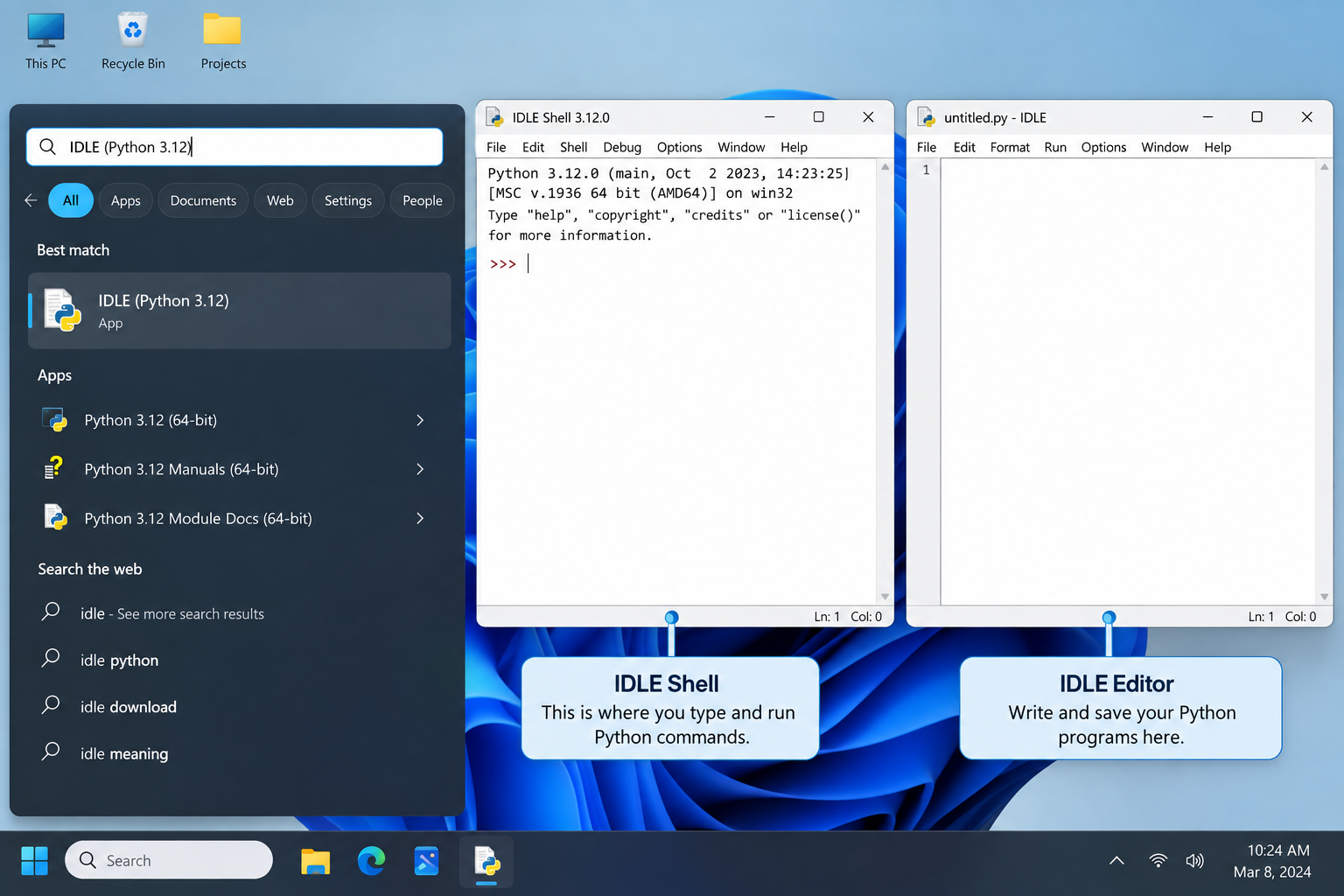
刚在Windows安装好Python却不知道如何启动?本文详细演示如何通过开始菜单找到并打开IDLE集成开发环境,以及如何在PowerShell或命令提示符中使用python和py命令启动交互式解释器、运行.py脚本文件。包含退出解释器的方法及常见启动问题排查,帮助初学者快速验证安装成功并开始编写代码。
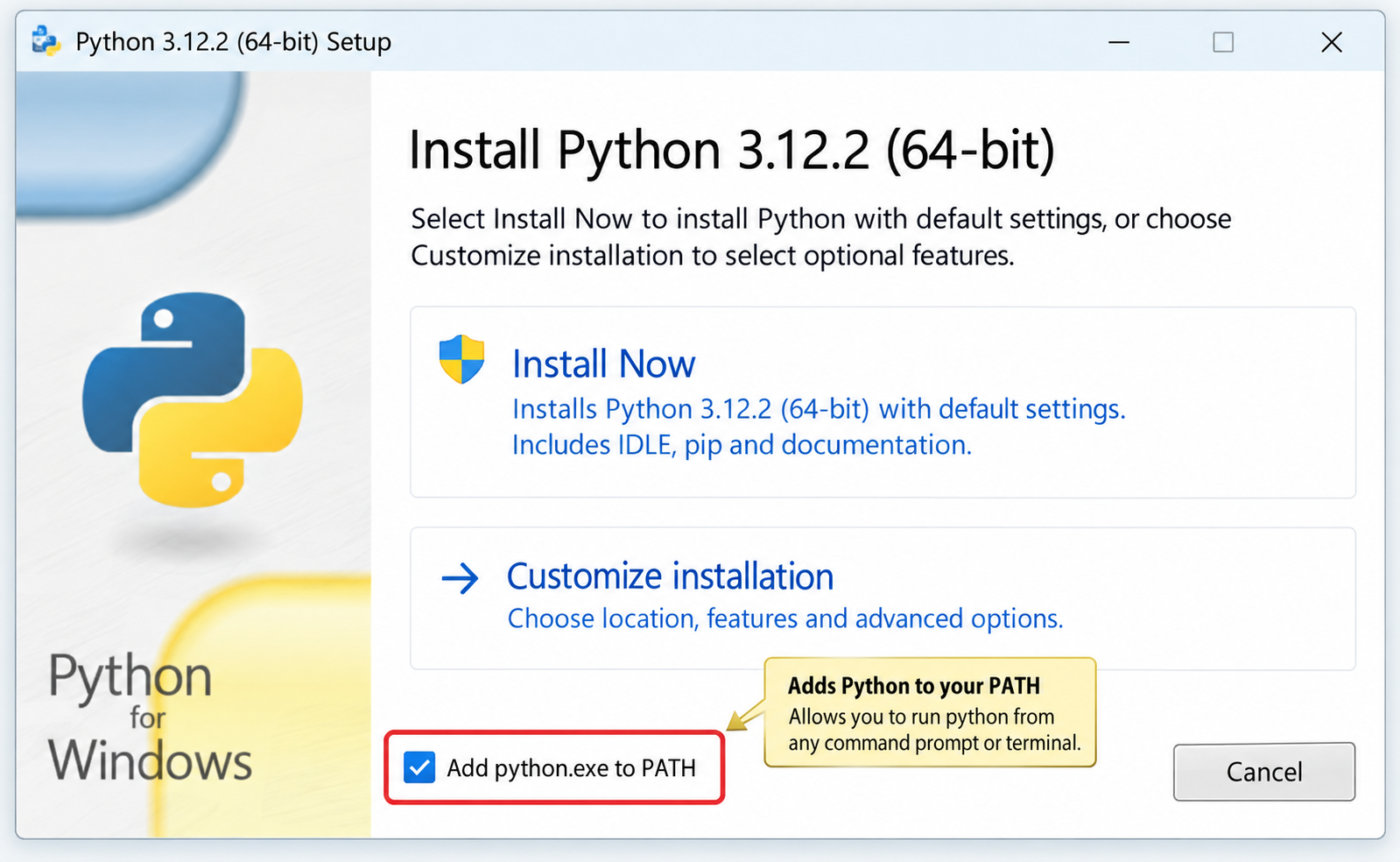
针对Windows初学者的Python安装实战指南。详细讲解如何从Python官网下载匹配架构的安装包,重点演示安装首屏勾选“Add python.exe to PATH”的关键操作,并提供使用python --version和py命令验证环境变量的具体步骤,帮助新手快速搭建开发环境并排查路径问题。
要想确认麒麟OS中Python程序的运行状态以及资源占用情况,我们可以这样做:用ps -ef | grep python来筛选进程;通过top命令,按P键排序查看实时负载;使用pgrep -f "script.py"精准获取PID;借助lsof -p PID验证文件打开状态。另外,还可以结合syst

在Debian系统上配置SSL证书通常涉及以下几个步骤:安装Web服务器:首先,你需要一个Web服务器,比如Apache或Nginx。这里以Apache为例。sudo apt updatesudo apt install apache2获取SSL证书:你可以从Let’s Encrypt免费获取SSL

要想让Python项目在统信UOS上正常运行,得先安装python3、python3-pip、python3-venv、python3-dev以及build-essential等组件。具体操作就是执行sudo apt install命令来一步到位完成安装,同时别忘了配置清华镜像源来给pip加速哦。在

在互联网上的各类网站中,无论大小,基本上都会有一个搜索框,用来给用户对内容进行搜索,小到站点搜索,大到搜索引擎搜索。从简单的来说,搜索功能确实很简单,一个简单的select语句就可以实现数据的搜索。而从复杂的来看,无论是搜索的精度还是搜索的效率,都是有很深的研究范围的。对于简单的搜索功能来说,一个s
立即在终端输入sudo shutdown -c取消倒计时关机,成功后显示“Shutdown cancelled”;若存在pmset重复任务,需再执行sudo pmset repeat cancel清除。Mac因Python脚本执行了os.system("sudo shutdown -h +10")或

之前写过一篇同步场景下用 Python 管理多个固定出口 IP 的实践(ExitPool + requests/httpx),覆盖了健康检查、故障转移和连接池复用。但在实际业务中,越来越多的场景用 asyncio 做高并发采集或批量接口调用——异步事件循环下多出口的管理方式和同步场景完全不同:单线程

写在前面:为什么静态出口 IP 不是"买了就行"不少团队在引入静态出口 IP 产品时,第一反应往往是:“地址配上去,这事就算完了。”可真到了真实业务里,静态出口 IP 真正能体现价值的地方,往往不在分配这一步,而在分配之后怎么管:地址有没有漂移,质量是否达标,某一条线路突然不可用时怎么切换,连接层又





Windows 10 是一款微软推出的经典操作系统,拥有硬件兼容性与多任务处理能力。它更偏向把系统状态查看和常用调节动作放在一起,适合需要持续观察和微调设备状态的场景。
极度公式是一款跨平台专业LaTeX公式识别编辑软件,支持OCR公式识别和多平台编辑。和使用说明,避免使用,享受完整功能与稳定支持。做扫描整理、文字提取和表格转换时,它能把识别后的处理步骤接得更顺,资料录入这类场景会省下不少时间。