

如何在 Python 中将 JSON 模板与动态表名列表映射生成结构化映射字典
利用单个通用JSON表结构模板与动态表名列表,通过提取模板中的columns字段并与每个表名配对,构建键为表名、值为列定义的字典映射,避免重复JSON冗余,提升配置灵活性与可维护性。
本文介绍如何利用单个通用 json 表结构模板,结合外部表名列表(如 ['abc', 'rfe', 'try']),高效构建键为表名、值为列定义的字典映射,避免重复 json 冗余,提升配置灵活性与可维护性。
本文介绍如何利用单个通用 json 表结构模板,结合外部表名列表(如 ['abc', 'rfe', 'try']),高效构建键为表名、值为列定义的字典映射,避免重复 json 冗余,提升配置灵活性与可维护性。
在实际的数据处理或 ETL 场景里,经常碰到多张结构完全一致但逻辑名称不同的表——比如按业务域或时间分片的那种。这时候,要是把每张表的列映射都硬编码进 JSON,那冗余量就太大了。一个更聪明的做法是:把“结构模板”和“实例命名”拆开。说白了,就是先用一份精简的 new_table.json 定义好共用的列结构,再通过 Python 批量把它绑定到动态表名列表上,干净利落。
下面直接上完整方案。
✅ 正确映射逻辑
new_table.json 里的 tables 数组只放了一个通用模板(tables[0]),所以我们不用遍历整个 tables,直接把那个模板的 columns 提取出来,然后跟 table_list 里的每个名字一一配对就行:
import json

table_list = ['abc', 'rfe', 'try']

try:
    with open('new_table.json', 'r', encoding='utf-8') as f:
        mapping_data = json.load(f)

    # 核心:取首个(且唯一)模板的 columns,为每个表名创建映射项
    template_columns = mapping_data['tables'][0]['columns']
    table_mappings = {name: {'columns': template_columns} for name in table_list}

    print(table_mappings)
    # 输出示例:
    # {
    #   'abc': {'columns': {'column1': 'name', 'column2': 'address'}},
    #   'rfe': {'columns': {'column1': 'name', 'column2': 'address'}},
    #   'try': {'columns': {'column1': 'name', 'column2': 'address'}}
    # }

except KeyError as e:
    print(f"JSON 结构错误:缺失预期字段 {e}")
except FileNotFoundError:
    print("错误:未找到 new_table.json 文件")
except json.JSONDecodeError as e:
    print(f"JSON 解析失败:{e}")
except Exception as e:
    print(f"未知错误:{e}")
⚠️ 注意事项
- 健壮性得再加强一下:上面代码里直接用了 mapping_data['tables'][0],这个写法假设数组非空且至少有一个元素。生产环境里建议先做校验:
tables = mapping_data.get('tables', []) if not tables: raise ValueError("JSON 中 'tables' 数组为空,无法获取列模板") template_columns = tables[0].get('columns') if not isinstance(template_columns, dict): raise ValueError("'columns' 字段必须为字典类型") - 别忘了扩展性:如果以后需求变了,需要让不同表用不同的模板(比如 table_list 和 templates 列表长度一样),那就可以改用 zip(table_list, templates) 做一一对应。
- 编码问题别忽略:打开文件时始终显式写 encoding='utf-8',免得跨平台时出现乱码。
这个方法兼顾了简洁和可维护性,算是配置驱动开发(Configuration-as-Code)里很典型的实践了。
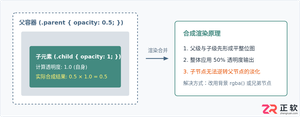
深入解析CSS中设置透明度的核心属性opacity,剖析子元素继承、事件穿透、层叠上下文等关键注意事项,并提供与rgba、hsla的实用选型对比。
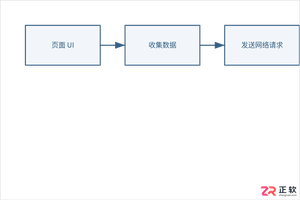
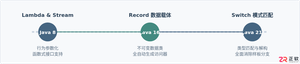
本文通过具体的旧版与新版代码对比,详细剖析Java 8引入的Lambda表达式、Java 14/16引入的Record类,以及Java 12至21逐步演进完善的Switch表达式与模式匹配,展示代码简化路径与避坑要点。
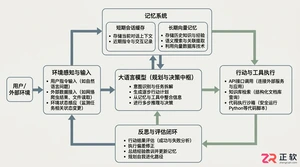
系统梳理AI智能体开发培训的核心知识模块、技术栈选型与典型实战项目,解析低代码平台与纯代码框架的差异,提供从零构建可落地智能体的完整学习与实施路径。
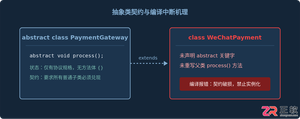
针对Java开发中常见的“子类未实现抽象方法”编译错误,深入分析报错原因,提供重写实现、声明抽象子类两种标准修复路径,并总结参数签名、访问修饰符等典型避坑要点。
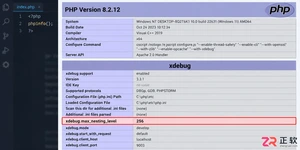
遇到PHP递归报错时,不要盲目调大max_nesting_level。本文教你区分Xdebug限制、内存耗尽和正则递归错误,提供代码级的终止条件优化与迭代替代方案,彻底解决栈溢出问题。
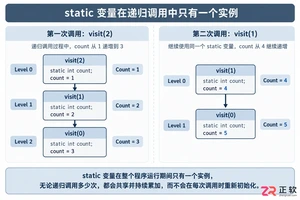
本文分析PHP递归中static变量导致的状态污染及引用传递引发的共享数据修改问题。提供具体的代码复现、缓存键设计建议及调试打印技巧,帮助开发者避免隐蔽的逻辑错误。
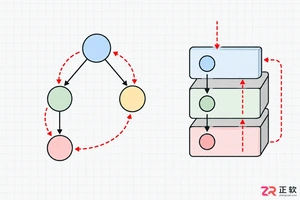
解析PHP递归函数在树形数据处理中的性能瓶颈,提供预加载数据消除I/O、使用显式栈替代深层递归的实战方案,帮助开发者在代码可读性与执行效率间做出合理取舍。
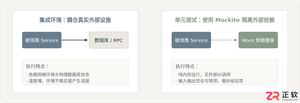
详细讲解在Java单元测试中如何使用Mockito模拟依赖对象,包括引入依赖、创建Mock、打桩返回值、行为验证以及Mock与Spy的核心差异和常见陷阱排查。
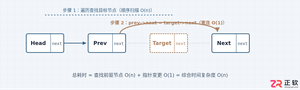
详细分析链表删除节点的时间复杂度,深入探讨单链表与双向链表在不同已知前提下的查找与删除开销,并结合完整代码与清晰图解进行对比总结。




Photoshop 2026 是 Adobe 推出的专业图像处理与视觉设计软件,支持 Windows、macOS 和 iPad 等平台,广泛应用于摄影修图、电商设计、平面海报、数字绘画及视觉合成等创作场景。

Blender 是一款免费开源、跨平台的专业 3D 创作软件,集建模、动画、渲染、视频编辑与视觉合成等功能于一体,广泛应用于影视动画、游戏设计和建筑可视化等领域。软件支持 Cycles 物理渲染器与 Eevee 实时渲染引擎,并提供多边形建模、骨骼绑定、物理模拟等专业工具。Blender 兼容 Windows、macOS 和 Linux 系统,安装包轻巧、运行流畅,依托活跃的全球开发者社区持续更新,是从初学者到专业创作者都值得选择的正版 3D 创作工具。


Photoshop 2026 是 Adobe 推出的专业图像处理与视觉设计软件,支持 Windows、macOS 和 iPad 等平台,广泛应用于摄影修图、电商设计、平面海报、数字绘画及视觉合成等创作场景。
Blender 是一款免费开源、跨平台的专业 3D 创作软件,集建模、动画、渲染、视频编辑与视觉合成等功能于一体,广泛应用于影视动画、游戏设计和建筑可视化等领域。软件支持 Cycles 物理渲染器与 Eevee 实时渲染引擎,并提供多边形建模、骨骼绑定、物理模拟等专业工具。Blender 兼容 Windows、macOS 和 Linux 系统,安装包轻巧、运行流畅,依托活跃的全球开发者社区持续更新,是从初学者到专业创作者都值得选择的正版 3D 创作工具。