

ubuntu下如何实现thinkphp的分布式部署
在Ubuntu下使用Nginx与PHP-FPM搭建ThinkPHP分布式环境:安装软件,配置Nginx站点及PHP-FPM监听,部署项目并调整权限;通过Nginxupstream实现负载均衡,完成多节点分布式部署。
在 Ubuntu 下搭建 ThinkPHP 的分布式环境,选 Nginx 配合 PHP-FPM 的组合可以说是最经典的方案之一。整个过程清晰直接,只要按部就班走下来,基本不会遇到坑。下面直接上手。
1. 安装 Nginx 和 PHP-FPM
先把包列表更新一下,然后装上 Nginx 和 PHP-FPM,几条命令就搞定:
sudo apt update
sudo apt install nginx php-fpm
2. 配置 Nginx
配置文件可以直接修改默认的 /etc/nginx/sites-a vailable/default,也可以新建一个单独的站点配置。这里以新建为例:
sudo nano /etc/nginx/sites-a vailable/thinkphp写入以下内容(记得把域名和项目路径换成你自己的):
server {
    listen 80;
    server_name your_domain.com;  # 替换为你的域名或 IP 地址
    root /path/to/your/thinkphp/project;  # 替换为你的 ThinkPHP 项目路径

    index index.php index.html index.htm;

    location / {
        try_files $uri $uri/ /index.php?$query_string;
    }

    location ~ \.php$ {
        include snippets/fastcgi-php.conf;
        fastcgi_pass unix:/var/run/php/php7.4-fpm.sock;  # 根据你的 PHP 版本调整
        fastcgi_param SCRIPT_FILENAME $document_root$fastcgi_script_name;
        include fastcgi_params;
    }

    location ~ /\.ht {
        deny all;
    }
}
保存退出后,创建一个软链接启用它:
sudo ln -s /etc/nginx/sites-a vailable/thinkphp /etc/nginx/sites-enabled/检查一下配置有没有语法错误:
sudo nginx -t没问题就重新加载 Nginx:
sudo systemctl reload nginx3. 配置 PHP-FPM
PHP-FPM 的配置文件在 /etc/php/7.4/fpm/pool.d/www.conf(版本号按你实际安装的来):
sudo nano /etc/php/7.4/fpm/pool.d/www.conf找到 listen 这一行,确认它的值和你 Nginx 配置里的一致:
listen = /var/run/php/php7.4-fpm.sock保存后重启 PHP-FPM:
sudo systemctl restart php7.4-fpm4. 部署 ThinkPHP 项目
把项目文件上传到前面指定的目录(比如 /path/to/your/thinkphp/project)。然后调整一下权限,确保 Web 服务器能正常读写:
sudo chown -R www-data:www-data /path/to/your/thinkphp/project
sudo chmod -R 755 /path/to/your/thinkphp/project
5. 启动并设置开机自启
让 Nginx 和 PHP-FPM 跑起来,并设置为开机自动启动:
sudo systemctl start nginx
sudo systemctl enable nginx
sudo systemctl start php7.4-fpm
sudo systemctl enable php7.4-fpm
6. 配置负载均衡(可选)
如果目标是分布式部署,Nginx 自带的负载均衡功能就能搞定。编辑主配置文件 /etc/nginx/nginx.conf,在 http 块里定义一个 upstream:
http {
    upstream thinkphp_cluster {
        server unix:/var/run/php/php7.4-fpm.sock;
        server unix:/var/run/php/php7.4-fpm2.sock;
        # 可以继续添加更多 PHP-FPM 实例
    }

    server {
        listen 80;
        server_name your_domain.com;
        root /path/to/your/thinkphp/project;
        index index.php index.html index.htm;

        location / {
            try_files $uri $uri/ /index.php?$query_string;
        }

        location ~ \.php$ {
            include snippets/fastcgi-php.conf;
            fastcgi_pass thinkphp_cluster;
            fastcgi_param SCRIPT_FILENAME $document_root$fastcgi_script_name;
            include fastcgi_params;
        }

        location ~ /\.ht {
            deny all;
        }
    }
}
保存后重新加载 Nginx:
sudo systemctl reload nginx别忘了把每个 PHP-FPM 实例都启动起来,比如第二个实例:
sudo systemctl start php7.4-fpm2到这一步,ThinkPHP 的分布式部署基本就成型了。实际生产环境可能还需要根据业务量调整 PHP-FPM 的进程数、开启缓存、配置 HTTPS 等,但核心框架就是上面这些。操作起来并不复杂,关键是理解 Nginx 和 PHP-FPM 之间的通信方式,以及负载均衡的 upstream 用法。
详解 CodeKit 在 macOS 下的安装步骤、项目导入方法、Sass与JavaScript编译设置及浏览器自动刷新功能,助您快速搭建高效的前端开发环境。
详解Windows环境下安装OpenAI Codex CLI的步骤,包括WSL环境检查、Node.js/npm配置、npm全局安装命令及首次启动验证,适合开发者快速上手。
学习如何配置 NativeRest REST API 客户端。涵盖 Windows/macOS/Linux 安装后的工作区创建、环境变量管理、请求编辑及响应查看步骤,帮助开发者快速完成基础环境搭建与连通性测试。
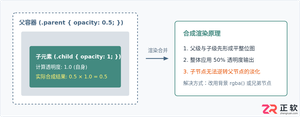
深入解析CSS中设置透明度的核心属性opacity,剖析子元素继承、事件穿透、层叠上下文等关键注意事项,并提供与rgba、hsla的实用选型对比。
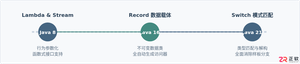
本文通过具体的旧版与新版代码对比,详细剖析Java 8引入的Lambda表达式、Java 14/16引入的Record类,以及Java 12至21逐步演进完善的Switch表达式与模式匹配,展示代码简化路径与避坑要点。
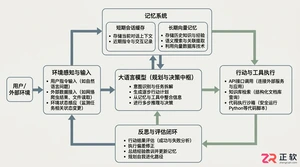
系统梳理AI智能体开发培训的核心知识模块、技术栈选型与典型实战项目,解析低代码平台与纯代码框架的差异,提供从零构建可落地智能体的完整学习与实施路径。
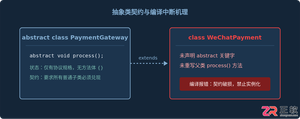
针对Java开发中常见的“子类未实现抽象方法”编译错误,深入分析报错原因,提供重写实现、声明抽象子类两种标准修复路径,并总结参数签名、访问修饰符等典型避坑要点。
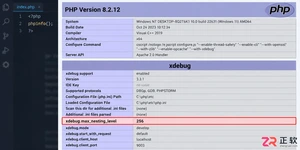
遇到PHP递归报错时,不要盲目调大max_nesting_level。本文教你区分Xdebug限制、内存耗尽和正则递归错误,提供代码级的终止条件优化与迭代替代方案,彻底解决栈溢出问题。
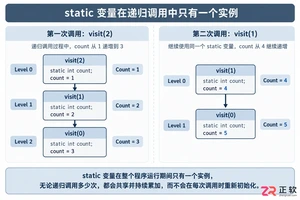
本文分析PHP递归中static变量导致的状态污染及引用传递引发的共享数据修改问题。提供具体的代码复现、缓存键设计建议及调试打印技巧,帮助开发者避免隐蔽的逻辑错误。




Photoshop 2026 是 Adobe 推出的专业图像处理与视觉设计软件,支持 Windows、macOS 和 iPad 等平台,广泛应用于摄影修图、电商设计、平面海报、数字绘画及视觉合成等创作场景。

Blender 是一款免费开源、跨平台的专业 3D 创作软件,集建模、动画、渲染、视频编辑与视觉合成等功能于一体,广泛应用于影视动画、游戏设计和建筑可视化等领域。软件支持 Cycles 物理渲染器与 Eevee 实时渲染引擎,并提供多边形建模、骨骼绑定、物理模拟等专业工具。Blender 兼容 Windows、macOS 和 Linux 系统,安装包轻巧、运行流畅,依托活跃的全球开发者社区持续更新,是从初学者到专业创作者都值得选择的正版 3D 创作工具。


Photoshop 2026 是 Adobe 推出的专业图像处理与视觉设计软件,支持 Windows、macOS 和 iPad 等平台,广泛应用于摄影修图、电商设计、平面海报、数字绘画及视觉合成等创作场景。
Blender 是一款免费开源、跨平台的专业 3D 创作软件,集建模、动画、渲染、视频编辑与视觉合成等功能于一体,广泛应用于影视动画、游戏设计和建筑可视化等领域。软件支持 Cycles 物理渲染器与 Eevee 实时渲染引擎,并提供多边形建模、骨骼绑定、物理模拟等专业工具。Blender 兼容 Windows、macOS 和 Linux 系统,安装包轻巧、运行流畅,依托活跃的全球开发者社区持续更新,是从初学者到专业创作者都值得选择的正版 3D 创作工具。