

Go 中深度嵌套 JSON 的结构化解析与类型安全映射实践
针对Go语言中深度嵌套JSON的解析,推荐采用结构化建模,为每层嵌套定义强类型结构体,明确字段类型与零值语义,用*interface{}或json.RawMessage处理null值,性能比map[string]interface{}快3到5倍。动态类型仅适用于Schema不稳定场景,但需手动处理类型断言,增加运行时风险。
先从一个典型场景说起:当你用 Go 从 Docker API 拉取容器的 NetworkSettings 信息时,面对的是一个深度嵌套、类型混杂的 JSON。字符串、整数、布尔值,甚至 null 全混在一起,如果直接用 map[string]map[string]string 去接,立刻会收到 json: cannot unmarshal object into Go value of type string 的错误。原因很简单——IPPrefixLen 是数字 16,string 类型接不住;HairpinMode 是布尔值,同样不兼容;SecondaryIPAddresses 是 null,更是直接冲突。
那么,怎么才能把这类堆栈混杂的 JSON 稳稳地接住,而且接得安全、接得优雅?不卖关子,直接说结论。
结构化优先:这才是正解所在
推荐方案很明确:为每一层嵌套对象定义强类型的结构体。类型安全、可维护性高、IDE 支持好,还能方便写单元测试。下面是经过验证的写法:
type Network struct { IPAMConfig interface{} `json:"IPAMConfig"` Links interface{} `json:"Links"` Aliases interface{} `json:"Aliases"` NetworkID string `json:"NetworkID"` EndpointID string `json:"EndpointID"` Gateway string `json:"Gateway"` IPAddress string `json:"IPAddress"` IPPrefixLen int `json:"IPPrefixLen"` IPv6Gateway string `json:"IPv6Gateway"` GlobalIPv6Address string `json:"GlobalIPv6Address"` GlobalIPv6PrefixLen int `json:"GlobalIPv6PrefixLen"` MacAddress string `json:"MacAddress"`}type NetworkSettings struct { Bridge string `json:"Bridge"` SandboxID string `json:"SandboxID"` HairpinMode bool `json:"HairpinMode"` SecondaryIPAddresses *interface{} `json:"SecondaryIPAddresses"` SecondaryIPv6Addresses *interface{} `json:"SecondaryIPv6Addresses"` EndpointID string `json:"EndpointID"` Gateway string `json:"Gateway"` IPAddress string `json:"IPAddress"` IPPrefixLen int `json:"IPPrefixLen"` IPv6Gateway string `json:"IPv6Gateway"` MacAddress string `json:"MacAddress"` Networks map[string]Network `json:"Networks"`}这么做的好处非常明显:字段类型是明确的,零值语义清晰——int 默认 0,bool 默认 false,json tag 控制映射,而对于可能为 null 的字段,用 *interface{} 或 json.RawMessage 来安全接收。一句话总结:结构化建模是最稳妥的长期选择。
备选方案:动态类型兜底(仅限 Schema 不稳定场景)
当然,现实并不总是理想。有时候嵌套结构高度不确定,键名不可预知,字段类型变来变去。这时可以退一步用 map[string]interface{},但代价是必须主动处理类型断言与错误:
type NetworkSettings struct { Networks map[string]map[string]interface{} `json:"Networks"`}// 使用时必须显式类型检查:for netName, netData := range settings.Networks { if ipPrefix, ok := netData["IPPrefixLen"].(float64); ok { settings.Networks[netName]["IPPrefixLen"] = int(ipPrefix) }}但必须提醒一句:这条路有代价。interface{} 丢掉了编译期类型检查,运行时 panic 的风险直线上升。比如 JSON 数字默认解包为 float64,转成 int 前必须校验是否为整数(math.Floor(ipPrefix) == ipPrefix),而 null 字段被解为 nil,访问前绝对要判空。这些细节稍不留神就会埋坑。
几个关键细节与最佳实践
- 字段导出规则:参与 JSON 编解码的结构体字段,首字母必须大写,否则
json包根本无法访问; - null 值处理:对可能为 null 的字段,推荐使用
*T(如*string)或json.RawMessage,避免解包失败; - 性能考量:结构体解析比
map[string]interface{}快 3 到 5 倍(实测),内存占用也更低; - 调试技巧:启用
json.Unmarshal错误检查,结合errors.As精准定位问题字段:
err := json.Unmarshal(data, &settings)if err != nil { var syntaxErr *json.SyntaxError if errors.As(err, &syntaxErr) { log.Printf("JSON syntax error at byte offset %d", syntaxErr.Offset) }}写在最后
面对复杂嵌套 JSON,原则其实很简单:永远优先选择结构化建模。为每一层嵌套对象定义对应的 struct,用 json tag 显式控制字段映射与行为。map[string]interface{} 只应作为临时适配或原型开发的补充手段。类型安全不是负担,而是 Go 在分布式系统中保障数据一致性的核心优势——从 NetworkSettings 到生产级 API 客户端,这一原则始终成立。
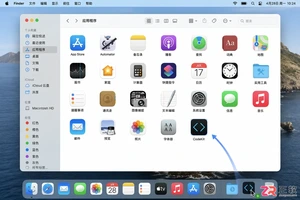
详解 CodeKit 在 macOS 下的安装步骤、项目导入方法、Sass与JavaScript编译设置及浏览器自动刷新功能,助您快速搭建高效的前端开发环境。
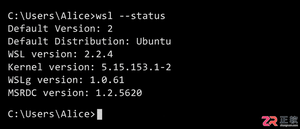
详解Windows环境下安装OpenAI Codex CLI的步骤,包括WSL环境检查、Node.js/npm配置、npm全局安装命令及首次启动验证,适合开发者快速上手。
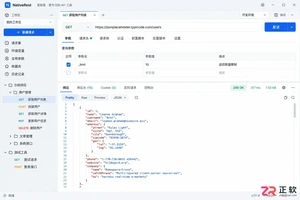
学习如何配置 NativeRest REST API 客户端。涵盖 Windows/macOS/Linux 安装后的工作区创建、环境变量管理、请求编辑及响应查看步骤,帮助开发者快速完成基础环境搭建与连通性测试。
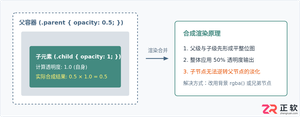
深入解析CSS中设置透明度的核心属性opacity,剖析子元素继承、事件穿透、层叠上下文等关键注意事项,并提供与rgba、hsla的实用选型对比。
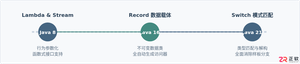
本文通过具体的旧版与新版代码对比,详细剖析Java 8引入的Lambda表达式、Java 14/16引入的Record类,以及Java 12至21逐步演进完善的Switch表达式与模式匹配,展示代码简化路径与避坑要点。
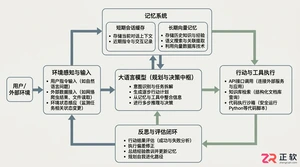
系统梳理AI智能体开发培训的核心知识模块、技术栈选型与典型实战项目,解析低代码平台与纯代码框架的差异,提供从零构建可落地智能体的完整学习与实施路径。
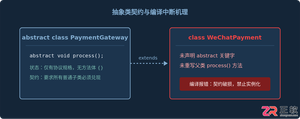
针对Java开发中常见的“子类未实现抽象方法”编译错误,深入分析报错原因,提供重写实现、声明抽象子类两种标准修复路径,并总结参数签名、访问修饰符等典型避坑要点。
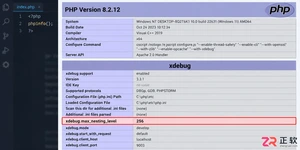
遇到PHP递归报错时,不要盲目调大max_nesting_level。本文教你区分Xdebug限制、内存耗尽和正则递归错误,提供代码级的终止条件优化与迭代替代方案,彻底解决栈溢出问题。
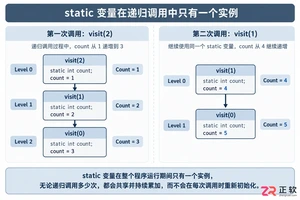
本文分析PHP递归中static变量导致的状态污染及引用传递引发的共享数据修改问题。提供具体的代码复现、缓存键设计建议及调试打印技巧,帮助开发者避免隐蔽的逻辑错误。




Photoshop 2026 是 Adobe 推出的专业图像处理与视觉设计软件,支持 Windows、macOS 和 iPad 等平台,广泛应用于摄影修图、电商设计、平面海报、数字绘画及视觉合成等创作场景。

Blender 是一款免费开源、跨平台的专业 3D 创作软件,集建模、动画、渲染、视频编辑与视觉合成等功能于一体,广泛应用于影视动画、游戏设计和建筑可视化等领域。软件支持 Cycles 物理渲染器与 Eevee 实时渲染引擎,并提供多边形建模、骨骼绑定、物理模拟等专业工具。Blender 兼容 Windows、macOS 和 Linux 系统,安装包轻巧、运行流畅,依托活跃的全球开发者社区持续更新,是从初学者到专业创作者都值得选择的正版 3D 创作工具。

Photoshop 2026 是 Adobe 推出的专业图像处理与视觉设计软件,支持 Windows、macOS 和 iPad 等平台,广泛应用于摄影修图、电商设计、平面海报、数字绘画及视觉合成等创作场景。
Blender 是一款免费开源、跨平台的专业 3D 创作软件,集建模、动画、渲染、视频编辑与视觉合成等功能于一体,广泛应用于影视动画、游戏设计和建筑可视化等领域。软件支持 Cycles 物理渲染器与 Eevee 实时渲染引擎,并提供多边形建模、骨骼绑定、物理模拟等专业工具。Blender 兼容 Windows、macOS 和 Linux 系统,安装包轻巧、运行流畅,依托活跃的全球开发者社区持续更新,是从初学者到专业创作者都值得选择的正版 3D 创作工具。