

Ubuntu Python如何进行自然语言处理
1. 安装必要的工具与库在Ubuntu系统中,首先需要安装Python环境(建议使用Python 3.6+)及NLP所需的库。打开终端,执行以下命令:更新系统包:sudo apt update && sudo apt upgrade -y安装Python3及pip:sudo apt install
1. 安装必要的工具与库在Ubuntu系统中,首先需要安装Python环境(建议使用Python 3.6+)及NLP所需的库。打开终端,执行以下命令:
- 更新系统包:
sudo apt update && sudo apt upgrade -y - 安装Python3及pip:
sudo apt install python3 python3-pip -y - 安装常用NLP库:
pip3 install nltk spacy textblob gensim transformers - 下载NLTK资源(首次使用需下载):
python3 -c "import nltk; nltk.download('punkt'); nltk.download('stopwords')" - 下载spaCy英文模型:
python3 -m spacy download en_core_web_sm
2. 文本预处理:NLP的基础步骤文本预处理是将原始文本转换为适合分析的格式,主要包括分词、去停用词、词干提取/词形还原:
- 分词:将句子拆分为单词或标记。使用NLTK的
word_tokenize或spaCy的tokenizer:
或使用spaCy:import nltkfrom nltk.tokenize import word_tokenizetext = "Natural Language Processing is fascinating."tokens = word_tokenize(text)# 输出:['Natural', 'Language', 'Processing', 'is', 'fascinating', '.']import spacynlp = spacy.load("en_core_web_sm")doc = nlp(text)tokens = [token.text for token in doc]# 输出同上 - 去停用词:过滤掉无实际意义的常见词(如“is”“the”“and”)。使用NLTK的停用词列表:
from nltk.corpus import stopwordsstop_words = set(stopwords.words('english'))filtered_tokens = [word for word in tokens if word.lower() not in stop_words]# 输出:['Natural', 'Language', 'Processing', 'fascinating', '.'] - 词干提取/词形还原:将单词还原为词根形式(如“running”→“run”)。使用NLTK的
PorterStemmer或spaCy的词形还原:from nltk.stem import PorterStemmerstemmer = PorterStemmer()stemmed_tokens = [stemmer.stem(word) for word in filtered_tokens]# 输出:['natur', 'languag', 'process', 'fascin', '.']# spaCy词形还原lemmatized_tokens = [token.lemma_ for token in doc]# 输出:['natural', 'language', 'processing', 'be', 'fascinate', '.']
3. 关键NLP任务实现
(1)词性标注(POS Tagging)
识别文本中每个单词的词性(如名词、动词、形容词)。使用NLTK或spaCy:
# NLTKimport nltkfrom nltk.tokenize import word_tokenizefrom nltk import pos_tagtokens = word_tokenize(text)pos_tags = pos_tag(tokens)# 输出:[('Natural', 'JJ'), ('Language', 'NNP'), ('Processing', 'NNP'), ('is', 'VBZ'), ('fascinating', 'JJ'), ('.', '.')]# spaCyfor token in doc:print(token.text, token.pos_)# 输出:Natural NOUN, Language PROPN, Processing PROPN, is AUX, fascinating ADJ, . PUNCT(2)命名实体识别(NER)
识别文本中的实体(如人名、地名、组织名)。使用NLTK或spaCy:
# NLTKimport nltkfrom nltk import ne_chunk, pos_tag, word_tokenizetokens = word_tokenize(text)pos_tags = pos_tag(tokens)ner_tree = ne_chunk(pos_tags)# 输出:(S (ORGANIZATION Natural) (ORGANIZATION Language) (ORGANIZATION Processing) is fascinating .)# spaCyfor ent in doc.ents:print(ent.text, ent.label_)# 若文本中有人名/地名,会输出对应实体及类型(如"Apple" → ORG)(3)情感分析
判断文本的情感倾向(积极、消极、中性)。使用TextBlob:
from textblob import TextBlobblob = TextBlob("I love Python. It's amazing!")sentiment = blob.sentiment# 输出:Sentiment(polarity=0.8, subjectivity=0.75)# polarity范围[-1,1],>0为积极,<0为消极;subjectivity范围[0,1],>0.5为主观(4)主题建模(LDA)
发现文本中的隐藏主题。使用Gensim:
from gensim import corpora, modelsfrom nltk.tokenize import word_tokenizefrom nltk.corpus import stopwords# 准备语料库texts = ["Python is great for data analysis.", "Data science requires Python skills.", "Machine learning uses Python libraries."]tokens = [word_tokenize(text.lower()) for text in texts]stop_words = set(stopwords.words('english'))filtered_tokens = [[word for word in token if word.isalpha() and word not in stop_words] for token in tokens]# 创建词典和语料库dictionary = corpora.Dictionary(filtered_tokens)corpus = [dictionary.doc2bow(text) for text in filtered_tokens]# 训练LDA模型(2个主题)lda_model = models.LdaModel(corpus=corpus, id2word=dictionary, num_topics=2, passes=10)topics = lda_model.print_topics()# 输出每个主题的关键词及权重for topic in topics:print(topic)4. 进阶:如果想再往前走一步,就可以直接用预训练模型,比如 BERT。Hugging Face 的transformers库已经封装好了现成的 BERT 模型,拿来做文本分类、问答这类任务会方便很多:
from transformers import pipeline# 加载预训练的情感分析模型classifier = pipeline("sentiment-analysis")result = classifier("I love Ubuntu and Python!")# 输出:[{'label': 'POSITIVE', 'score': 0.9998}]注意事项
- Ubuntu系统需确保Python环境配置正确(建议使用
venv创建虚拟环境); - 大规模文本处理时,spaCy的性能优于NLTK;
- 预训练模型(如BERT)需要更多计算资源,可根据需求选择轻量级模型(如DistilBERT)。

通过实测展示Claude Code在终端中如何理解自然语言指令、自动修改代码文件并处理复杂编程任务,帮助开发者评估其实际辅助能力。
本教程详细讲解如何使用Visual Studio创建WinForms项目,通过添加按钮和标签控件并编写点击事件代码,实现一个基础的计数器功能,适合C#初学者快速上手Windows窗体应用开发。
详解Cursor编辑器中自动补全功能的开启与优化设置,涵盖Tab触发机制、上下文窗口调整及模型切换,帮助开发者解决补全延迟、干扰大等问题,提升编码流畅度。
详解Pandas中数据格式转换的核心方法,包括astype强制转换、to_numeric容错处理及日期解析技巧,解决常见类型错误并提升数据处理效率。
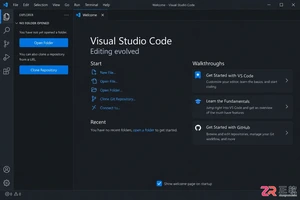
详细介绍在Visual Studio Code中安装Chinese (Simplified)语言包的方法,包括通过扩展市场搜索、安装及自动重启切换至简体中文界面的完整步骤,帮助开发者快速将编辑器本地化。

针对Cursor安装包默认锁定C盘且无路径选择界面的问题,提供通过手动移动文件并创建目录联结(Symbolic Link)的解决方案,实现将软件安装在其他磁盘分区。
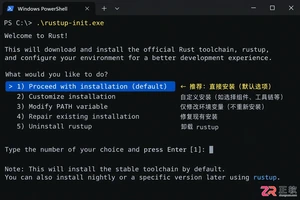
详解Windows系统下Rust语言的安装步骤,重点解析rustup工具链管理机制,解决环境变量配置错误及MSVC链接器缺失问题,提供可复制的命令验证方法与常见报错的因果排查思路。
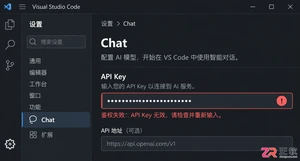
详解VS Code中Chat插件的安装与核心配置步骤,重点解决API连接失败、响应慢等常见问题,通过优化上下文设置提升代码生成质量,适合希望集成AI辅助工具的开发者阅读。
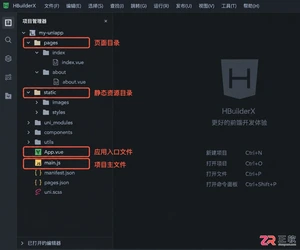
本教程通过实战案例详解UniApp开发流程,包括项目初始化、页面结构解析、数据绑定与事件处理,帮助初学者快速上手跨平台应用开发。
详细讲解2026年最新版Android Studio的下载与安装步骤,涵盖JDK环境检查、组件选择及初始配置,助您顺利开启安卓应用开发之旅。




Blender 是一款免费开源、跨平台的专业 3D 创作软件,集建模、动画、渲染、视频编辑与视觉合成等功能于一体,广泛应用于影视动画、游戏设计和建筑可视化等领域。软件支持 Cycles 物理渲染器与 Eevee 实时渲染引擎,并提供多边形建模、骨骼绑定、物理模拟等专业工具。Blender 兼容 Windows、macOS 和 Linux 系统,安装包轻巧、运行流畅,依托活跃的全球开发者社区持续更新,是从初学者到专业创作者都值得选择的正版 3D 创作工具。


赤友清理大师是一款为 Mac 设计的智能清理优化工具,可精准扫描垃圾、大文件、重复文件等,释放磁盘空间。做扫描整理、文字提取和表格转换时,它能把识别后的处理步骤接得更顺,资料录入这类场景会省下不少时间。
Blender 是一款免费开源、跨平台的专业 3D 创作软件,集建模、动画、渲染、视频编辑与视觉合成等功能于一体,广泛应用于影视动画、游戏设计和建筑可视化等领域。软件支持 Cycles 物理渲染器与 Eevee 实时渲染引擎,并提供多边形建模、骨骼绑定、物理模拟等专业工具。Blender 兼容 Windows、macOS 和 Linux 系统,安装包轻巧、运行流畅,依托活跃的全球开发者社区持续更新,是从初学者到专业创作者都值得选择的正版 3D 创作工具。

Windows 10 是一款微软推出的经典操作系统,拥有硬件兼容性与多任务处理能力。它更偏向把系统状态查看和常用调节动作放在一起,适合需要持续观察和微调设备状态的场景。

极度公式是一款跨平台专业LaTeX公式识别编辑软件,支持OCR公式识别和多平台编辑。和使用说明,避免使用,享受完整功能与稳定支持。做扫描整理、文字提取和表格转换时,它能把识别后的处理步骤接得更顺,资料录入这类场景会省下不少时间。