

Python字符串操作指南,值得收藏!
什么是Python字符串字符串是包含一系列字符的对象。字符是长度为1的字符串。在Python中,单个字符也是字符串。但是比较有意思的是,Python编程语言中是没有字符数据类型的,不过在C、Kotlin和Java等其他编程语言中是存在字符数据类型的我们可以使用单引号、双引号、三引号或str()函数来声明Python字符串。下面的代码片段展示了如何在Python中声明一个字符串:#Asinglequotestringsingle_quote='a'#Thi

什么是 Python 字符串
字符串是包含一系列字符的对象。字符是长度为 1 的字符串。在 Python 中,单个字符也是字符串。但是比较有意思的是,Python 编程语言中是没有字符数据类型的,不过在 C、Kotlin 和 Java 等其他编程语言中是存在字符数据类型的
我们可以使用单引号、双引号、三引号或 str() 函数来声明 Python 字符串。下面的代码片段展示了如何在 Python 中声明一个字符串:
# A single quote string
single_quote = 'a'# This is an example of a character in other programming languages. It is a string in Python
# Another single quote string
another_single_quote = 'Programming teaches you patience.'
# A double quote string
double_quote = "aa"
# Another double-quote string
another_double_quote = "It is impossible until it is done!"
# A triple quote string
triple_quote = '''aaa'''
# Also a triple quote string
another_triple_quote = """Welcome to the Python programming language. Ready, 1, 2, 3, Go!"""
# Using the str() function
string_function = str(123.45)# str() converts float data type to string data type
# Another str() function
another_string_function = str(True)# str() converts a boolean data type to string data type
# An empty string
empty_string = ''
# Also an empty string
second_empty_string = ""
# We are not done yet
third_empty_string = """"""# This is also an empty string: ''''''
在 Python 中获取字符串的另一种方法是使用 input() 函数。input() 函数允许我们使用键盘将输入的值插入到程序中。插入的值被读取为字符串,但我们可以将它们转换为其他数据类型:
# Inputs into a Python program
input_float = input()# Type in: 3.142
input_boolean = input() # Type in: True
# Convert inputs into other data types
convert_float = float(input_float)# converts the string data type to a float
convert_boolean = bool(input_boolean) # converts the string data type to a bool
我们使用 type() 函数来确定 Python 中对象的数据类型,它返回对象的类。当对象是字符串时,它返回 str 类。同样,当对象是字典、整数、浮点数、元组或布尔值时,它分别返回 dict、int、float、tuple、bool 类。现在让我们使用 type() 函数来确定前面代码片段中声明的变量的数据类型:
# Data types/ classes with type()
print(type(single_quote))
print(type(another_triple_quote))
print(type(empty_string))
print(type(input_float))
print(type(input_boolean))
print(type(convert_float))
print(type(convert_boolean))
ASCII 表与 Python 字符串字符
美国信息交换标准代码 (ASCII) 旨在帮助我们将字符或文本映射到数字,因为数字集比文本更容易存储在计算机内存中。ASCII 主要用英语对 128 个字符进行编码,用于处理计算机和编程中的信息。ASCII 编码的英文字符包括小写字母(a-z)、大写字母(A-Z)、数字(0-9)以及标点符号等符号
ord() 函数将长度为 1(一个字符)的 Python 字符串转换为其在 ASCII 表上的十进制表示,而 chr() 函数将十进制表示转换回字符串。例如:
import string
# Convert uppercase characters to their ASCII decimal numbers
ascii_upper_case = string.ascii_uppercase# Output: ABCDEFGHIJKLMNOPQRSTUVWXYZ
for one_letter in ascii_upper_case[:5]:# Loop through ABCDE
print(ord(one_letter))
Output:
65
66
67
68
69
# Convert digit characters to their ASCII decimal numbers
ascii_digits = string.digits# Output: 0123456789
for one_digit in ascii_digits[:5]:# Loop through 01234
print(ord(one_digit))
Output:
48
49
50
51
52
在上面的代码片段中,我们遍历字符串 ABCDE 和 01234,并将每个字符转换为它们在 ASCII 表中的十进制表示。我们还可以使用 chr() 函数执行反向操作,从而将 ASCII 表上的十进制数字转换为它们的 Python 字符串字符。例如:
decimal_rep_ascii = [37, 44, 63, 82, 100]
for one_decimal in decimal_rep_ascii:
print(chr(one_decimal))
Output:
%
,
?
R
d
在 ASCII 表中,上述程序输出中的字符串字符映射到它们各自的十进制数
字符串属性
零索引: 字符串中的第一个元素的索引为零,而最后一个元素的索引为 len(string) - 1。例如:
immutable_string = "Accountability"
print(len(immutable_string))
print(immutable_string.index('A'))
print(immutable_string.index('y'))
Output:
14
0
13
不变性: 这意味着我们不能更新字符串中的字符。例如我们不能从字符串中删除一个元素或尝试在其任何索引位置分配一个新元素。如果我们尝试更新字符串,它会抛出 TypeError:
immutable_string = "Accountability"
# Assign a new element at index 0
immutable_string[0] = 'B'
Output:
---------------------------------------------------------------------------
TypeError Traceback (most recent call last)
~AppDataLocalTemp/ipykernel_11336/2351953155.py in
2
3 # Assign a new element at index 0
----> 4 immutable_string[0] = 'B'
TypeError: 'str' object does not support item assignment
但是我们可以将字符串重新分配给 immutable_string 变量,不过我们应该注意它们不是同一个字符串,因为它们不指向内存中的同一个对象。Python 不会更新旧的字符串对象;它创建了一个新的,正如我们通过 ids 看到的那样:
immutable_string = "Accountability"
print(id(immutable_string))
immutable_string = "Bccountability"
print(id(immutable_string)
test_immutable = immutable_string
print(id(test_immutable))
Output:
2693751670576
2693751671024
2693751671024
上述两个 id 在同一台计算机上也不相同,这意味着两个 immutable_string 变量都指向内存中的不同地址。我们将最后一个 immutable_string 变量分配给 test_immutable 变量。可以看到 test_immutable 变量和最后一个 immutable_string 变量指向同一个地址
连接: 将两个或多个字符串连接在一起以获得带有 + 符号的新字符串。例如:
first_string = "Zhou"
second_string = "luobo"
third_string = "Learn Python"
fourth_string = first_string + second_string
print(fourth_string)
fifth_string = fourth_string + " " + third_string
print(fifth_string)
Output:
Zhouluobo
Zhouluobo Learn Python
重复: 字符串可以用 * 符号重复。例如:
print("Ha" * 3)
Output:
HaHaHa
索引和切片: 我们已经确定字符串是从零开始索引的,我们可以使用其索引值访问字符串中的任何元素。我们还可以通过在两个索引值之间进行切片来获取字符串的子集。例如:
main_string = "I learned English and Python with ZHouluobo. You can do it too!"
# Index 0
print(main_string[0])
# Index 1
print(main_string[1])
# Check if Index 1 is whitespace
print(main_string[1].isspace())
# Slicing 1
print(main_string[0:11])
# Slicing 2:
print(main_string[-18:])
# Slicing and concatenation
print(main_string[0:11] + ". " + main_string[-18:])
Output:
I
True
I learned English
You can do it too!
I learned English. You can do it too!
字符串方法
str.split(sep=None, maxsplit=-1): 字符串拆分方法包含两个属性:sep 和 maxsplit。当使用其默认值调用此方法时,它会在任何有空格的地方拆分字符串。此方法返回字符串列表:
string = "Apple, Banana, Orange, Blueberry"
print(string.split())
Output:
['Apple,', 'Banana,', 'Orange,', 'Blueberry']
我们可以看到字符串没有很好地拆分,因为拆分的字符串包含 ,。我们可以使用 sep=',' 在有 , 的地方进行拆分:
print(string.split(sep=','))
Output:
['Apple', ' Banana', ' Orange', ' Blueberry']
这比之前的拆分要好,但是我们可以在一些拆分字符串之前看到空格。可以使用 (sep=', ') 删除它:
# Notice the whitespace after the comma
print(string.split(sep=', '))
Output:
['Apple', 'Banana', 'Orange', 'Blueberry']
现在字符串被很好地分割了。有时我们不想分割最大次数,我们可以使用 maxsplit 属性来指定我们打算拆分的次数:
print(string.split(sep=', ', maxsplit=1))
print(string.split(sep=', ', maxsplit=2))
Output:
['Apple', 'Banana, Orange, Blueberry']
['Apple', 'Banana', 'Orange, Blueberry']
str.splitlines(keepends=False): 有时我们想处理一个在边界处具有不同换行符('n'、nn'、'r'、'rn')的语料库。我们要拆分成句子,而不是单个单词。可以使用 splitline 方法来执行此操作。当 keepends=True 时,文本中包含换行符;否则它们被排除在外
import nltk# You may have to `pip install nltk` to use this library.
macbeth = nltk.corpus.gutenberg.raw('shakespeare-macbeth.txt')
print(macbeth.splitlines(keepends=True)[:5]
Output:
['[The Tragedie of Macbeth by William Shakespeare 1603]n', 'n', 'n', 'Actus Primus. Scoena Prima.n', 'n']
str.strip([chars]): 我们使用 strip 方法从字符串的两侧删除尾随空格或字符。例如:
string = "Apple Apple Apple no apple in the box apple apple "
stripped_string = string.strip()
print(stripped_string)
left_stripped_string = (
stripped_string
.lstrip('Apple')
.lstrip()
.lstrip('Apple')
.lstrip()
.lstrip('Apple')
.lstrip()
)
print(left_stripped_string)
capitalized_string = left_stripped_string.capitalize()
print(capitalized_string)
right_stripped_string = (
capitalized_string
.rstrip('apple')
.rstrip()
.rstrip('apple')
.rstrip()
)
print(right_stripped_string)
Output:
Apple Apple Apple no apple in the box apple apple
no apple in the box apple apple
No apple in the box apple apple
No apple in the box
在上面的代码片段中,我们使用了 lstrip 和 rstrip 方法,它们分别从字符串的左侧和右侧删除尾随空格或字符。我们还使用了 capitalize 方法,它将字符串转换为句子大小写str.zfill(width): zfill 方法用 0 前缀填充字符串以获得指定的宽度。例如:
example = "0.8"# len(example) is 3
example_zfill = example.zfill(5) # len(example_zfill) is 5
print(example_zfill)
Output:
000.8
str.isalpha(): 如果字符串中的所有字符都是字母,该方法返回True;否则返回 False:
# Alphabet string
alphabet_one = "Learning"
print(alphabet_one.isalpha())
# Contains whitspace
alphabet_two = "Learning Python"
print(alphabet_two.isalpha())
# Contains comma symbols
alphabet_three = "Learning,"
print(alphabet_three.isalpha())
Output:
True
False
False
如果字符串字符是字母数字,str.isalnum() 返回 True;如果字符串字符是十进制,str.isdecimal() 返回 True;如果字符串字符是数字,str.isdigit() 返回 True;如果字符串字符是数字,则 str.isnumeric() 返回 True
如果字符串中的所有字符都是小写,str.islower() 返回 True;如果字符串中的所有字符都是大写,str.isupper() 返回 True;如果每个单词的首字母大写,str.istitle() 返回 True:
# islower() example
string_one = "Artificial Neural Network"
print(string_one.islower())
string_two = string_one.lower()# converts string to lowercase
print(string_two.islower())
# isupper() example
string_three = string_one.upper() # converts string to uppercase
print(string_three.isupper())
# istitle() example
print(string_one.istitle())
Output:
False
True
True
True
str.endswith(suffix) 返回 True 是以指定后缀结尾的字符串。如果字符串以指定的前缀开头,str.startswith(prefix) 返回 True:
sentences = ['Time to master data science', 'I love statistical computing', 'Eat, sleep, code']
# endswith() example
for one_sentence in sentences:
print(one_sentence.endswith(('science', 'computing', 'Code')))
Output:
True
True
False
# startswith() example
for one_sentence in sentences:
print(one_sentence.startswith(('Time', 'I ', 'Ea')))
Output:
True
True
True
str.find(substring) 如果子字符串存在于字符串中,则返回最低索引;否则它返回 -1。str.rfind(substring) 返回最高索引。如果找到,str.index(substring) 和 str.rindex(substring) 也分别返回子字符串的最低和最高索引。如果字符串中不存在子字符串,则会引发 ValueError
string = "programming"
# find() and rfind() examples
print(string.find('m'))
print(string.find('pro'))
print(string.rfind('m'))
print(string.rfind('game'))
# index() and rindex() examples
print(string.index('m'))
print(string.index('pro'))
print(string.rindex('m'))
print(string.rindex('game'))
Output:
6
0
7
-1
6
0
7
---------------------------------------------------------------------------
ValueErrorTraceback (most recent call last)
~AppDataLocalTemp/ipykernel_11336/3954098241.py in
 11 print(string.index('pro'))# Output: 0
 12 print(string.rindex('m'))# Output: 7
---> 13 print(string.rindex('game'))# Output: ValueError: substring not found
ValueError: substring not found
str.maketrans(dict_map) 从字典映射创建一个翻译表,str.translate(maketrans) 用它们的新值替换翻译中的元素。例如:
example = "abcde"
mapped = {'a':'1', 'b':'2', 'c':'3', 'd':'4', 'e':'5'}
print(example.translate(example.maketrans(mapped)))
Output:
12345
字符串操作
循环遍历一个字符串
字符串是可迭代的,因此它们支持使用 for 循环和枚举的循环操作:
# For-loop example
word = "bank"
for letter in word:
print(letter)
Output:
b
a
n
k
# Enumerate example
for idx, value in enumerate(word):
print(idx, value)
Output:
0 b
1 a
2 n
3 k
字符串和关系运算符
当使用关系运算符(>、<、== 等)比较两个字符串时,两个字符串的元素按其 ASCII 十进制数字逐个索引进行比较。例如:
print('a' > 'b')
print('abc' > 'b')
Output:
False
False
在这两种情况下,输出都是 False。关系运算符首先比较两个字符串的索引 0 上元素的 ASCII 十进制数。由于 b 大于 a,因此返回 False;在这种情况下,其他元素的 ASCII 十进制数字和字符串的长度无关紧要
当字符串长度相同时,它比较从索引 0 开始的每个元素的 ASCII 十进制数,直到找到具有不同 ASCII 十进制数的元素。例如:
print('abd' > 'abc')
Output:
True
检查字符串的成员资格
in 运算符用于检查子字符串是否是字符串的成员:
print('data' in 'dataquest')
print('gram' in 'programming')
Output:
True
True
检查字符串成员资格、替换子字符串或匹配模式的另一种方法是使用正则表达式
import re
substring = 'gram'
string = 'programming'
replacement = '1234'
# Check membership
print(re.search(substring, string))
# Replace string
print(re.sub(substring, replacement, string))
Output:
pro1234ming
字符串格式
f-string 和 str.format() 方法用于格式化字符串。两者都使用大括号 {} 占位符。例如:
monday, tuesday, wednesday = "Monday", "Tuesday", "Wednesday"
format_string_one = "{} {} {}".format(monday, tuesday, wednesday)
print(format_string_one)
format_string_two = "{2} {1} {0}".format(monday, tuesday, wednesday)
print(format_string_two)
format_string_three = "{one} {two} {three}".format(one=tuesday, two=wednesday, three=monday)
print(format_string_three)
format_string_four = f"{monday} {tuesday} {wednesday}"
print(format_string_four)
Output:
Monday Tuesday Wednesday
Wednesday Tuesday Monday
Tuesday Wednesday Monday
Monday Tuesday Wednesday
f-strings 更具可读性,并且它们比 str.format() 方法实现得更快。因此,f-string 是字符串格式化的首选方法
处理引号和撇号
撇号 (') 在 Python 中表示一个字符串。为了让 Python 知道我们不是在处理字符串,我们必须使用 Python 转义字符 ()。因此撇号在 Python 中表示为 '。与处理撇号不同,Python 中有很多处理引号的方法。它们包括以下内容:
# 1. Represent string with single quote (`""`) and quoted statement with double quote (`""`)
quotes_one ='"Friends don't let friends use minibatches larger than 32" - Yann LeCun'
print(quotes_one)
# 2. Represent string with double quote `("")` and quoted statement with escape and double quote `("statement")`
quotes_two =""Friends don't let friends use minibatches larger than 32" - Yann LeCun"
print(quotes_two)
# 3. Represent string with triple quote `("""""")` and quoted statment with double quote ("")
quote_three = """"Friends don't let friends use minibatches larger than 32" - Yann LeCun"""
print(quote_three)
Output:
"Friends don't let friends use minibatches larger than 32" - Yann LeCun
"Friends don't let friends use minibatches larger than 32" - Yann LeCun
"Friends don't let friends use minibatches larger than 32" - Yann LeCun
写在最后
字符串作为编程语言当中最为常见的数据类型,熟练而灵活的掌握其各种属性和方法,实在是太重要了,小伙伴们千万要实时温习,处处留心哦!
好了,这就是今天分享的内容,如果喜欢就点个赞吧~
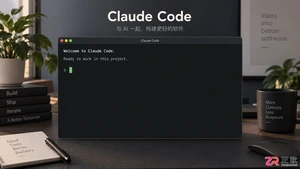
通过实测展示Claude Code在终端中如何理解自然语言指令、自动修改代码文件并处理复杂编程任务,帮助开发者评估其实际辅助能力。
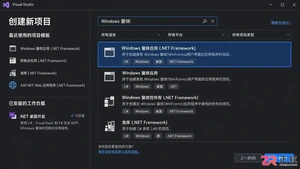
本教程详细讲解如何使用Visual Studio创建WinForms项目,通过添加按钮和标签控件并编写点击事件代码,实现一个基础的计数器功能,适合C#初学者快速上手Windows窗体应用开发。
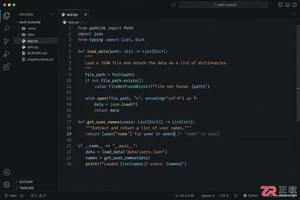
详解Cursor编辑器中自动补全功能的开启与优化设置,涵盖Tab触发机制、上下文窗口调整及模型切换,帮助开发者解决补全延迟、干扰大等问题,提升编码流畅度。
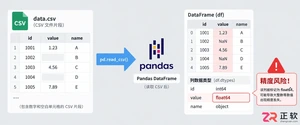
详解Pandas中数据格式转换的核心方法,包括astype强制转换、to_numeric容错处理及日期解析技巧,解决常见类型错误并提升数据处理效率。

详细介绍在Visual Studio Code中安装Chinese (Simplified)语言包的方法,包括通过扩展市场搜索、安装及自动重启切换至简体中文界面的完整步骤,帮助开发者快速将编辑器本地化。

针对Cursor安装包默认锁定C盘且无路径选择界面的问题,提供通过手动移动文件并创建目录联结(Symbolic Link)的解决方案,实现将软件安装在其他磁盘分区。
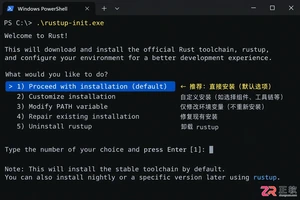
详解Windows系统下Rust语言的安装步骤,重点解析rustup工具链管理机制,解决环境变量配置错误及MSVC链接器缺失问题,提供可复制的命令验证方法与常见报错的因果排查思路。
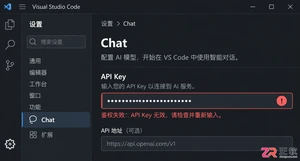
详解VS Code中Chat插件的安装与核心配置步骤,重点解决API连接失败、响应慢等常见问题,通过优化上下文设置提升代码生成质量,适合希望集成AI辅助工具的开发者阅读。
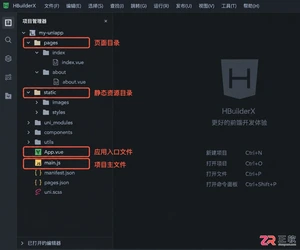
本教程通过实战案例详解UniApp开发流程,包括项目初始化、页面结构解析、数据绑定与事件处理,帮助初学者快速上手跨平台应用开发。
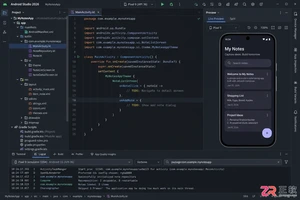
详细讲解2026年最新版Android Studio的下载与安装步骤,涵盖JDK环境检查、组件选择及初始配置,助您顺利开启安卓应用开发之旅。




Blender 是一款免费开源、跨平台的专业 3D 创作软件,集建模、动画、渲染、视频编辑与视觉合成等功能于一体,广泛应用于影视动画、游戏设计和建筑可视化等领域。软件支持 Cycles 物理渲染器与 Eevee 实时渲染引擎,并提供多边形建模、骨骼绑定、物理模拟等专业工具。Blender 兼容 Windows、macOS 和 Linux 系统,安装包轻巧、运行流畅,依托活跃的全球开发者社区持续更新,是从初学者到专业创作者都值得选择的正版 3D 创作工具。

赤友清理大师是一款为 Mac 设计的智能清理优化工具,可精准扫描垃圾、大文件、重复文件等,释放磁盘空间。做扫描整理、文字提取和表格转换时,它能把识别后的处理步骤接得更顺,资料录入这类场景会省下不少时间。
Blender 是一款免费开源、跨平台的专业 3D 创作软件,集建模、动画、渲染、视频编辑与视觉合成等功能于一体,广泛应用于影视动画、游戏设计和建筑可视化等领域。软件支持 Cycles 物理渲染器与 Eevee 实时渲染引擎,并提供多边形建模、骨骼绑定、物理模拟等专业工具。Blender 兼容 Windows、macOS 和 Linux 系统,安装包轻巧、运行流畅,依托活跃的全球开发者社区持续更新,是从初学者到专业创作者都值得选择的正版 3D 创作工具。

Windows 10 是一款微软推出的经典操作系统,拥有硬件兼容性与多任务处理能力。它更偏向把系统状态查看和常用调节动作放在一起,适合需要持续观察和微调设备状态的场景。

极度公式是一款跨平台专业LaTeX公式识别编辑软件,支持OCR公式识别和多平台编辑。和使用说明,避免使用,享受完整功能与稳定支持。做扫描整理、文字提取和表格转换时,它能把识别后的处理步骤接得更顺,资料录入这类场景会省下不少时间。