

java泛型实例代码分析
先简单来段例子:publicvoidtestGenerics(){Collectionnumbers=newArrayList();numbers.add(1);//okCollectiontmp=numbers;//don'twork,youdon'tknowwhattype'tmp'obviouslycontains//tmp.add(1);Collection,又是很多人(包括我)第一反应肯定是“Object是所有java对象的公共父类,所以Collection可以表
先简单来段例子:
public void testGenerics() {
        Collection numbers = new ArrayList<>();
        numbers.add(1); // ok

        Collection tmp = numbers;
        // don't work, you don't know what type 'tmp' obviously contains
//        tmp.add(1);

        Collection tmp2 = numbers;
        // don't work, you don't know what subtype 'tmp2' obviously contains
//        tmp2.add(1);

        Collection integers = new ArrayList<>();
        tmp = integers;
        tmp2 = integers;

        Collection strings = new ArrayList<>();
        tmp = strings;
//        tmp2 = strings; // don't work
    }
这个问题其实有点反人类,估计大部分人(包括我)对这种转换的第一反应肯定是“当然是对的。。”,说下我的理解:
Collection
:表示这个Collection里包含的都是Number类型的对象,可以是Integer/Long/Float,因为编译器可以判断obj instanceof Number == true; Collection:表示这个Collection是Number类型的“某个子类型”的Collection实例,可以是Collection
/Collection ,所以调用tmp.add(1)是不行的,因为编译器不知道这个tmp包含的元素到底是Number的哪个子类型,编译器无法判断obj instanceof UnknownType的结果; Collection
,这个E类型是“一个”具体的类型,而不能是某个parent的多个子类型。
说到为什么在不明确类型的情况下不能允许写操作,那是为了运行期的安全,举个例子:
public void testGenerics2() {
    List integers = new ArrayList<>();

    List comparables = integers;

    integers.add("1");

    comparables.get(0).intValue(); // fail
}
如果comparables允许添加Comparable类型,那么运行期就有可能会抛出一些意料之外的RuntimeException,导致方法不正常结束甚至程序crash。
现在再来说说Collection
public void testGenerics3() {
List integers = new ArrayList<>();
List Collection表示的范围比Collection
表示任意类型集合的正确写法是Collection;
Collection
为什么Collection
public void testGenerics4() {
List integers = new ArrayList<>();
List List
List编译器是不允许往里面丢数据的,因为不知道List到底是哪种数据类型的集合,不能用obj instanceof UnknownType判断;
?才是表示未知类型,Object表示的是已知类型;
如果List

新手入门 ServBay 本地开发环境,详解安装包下载、Dashboard 状态监控、Packages 组件安装、Services 服务控制及 Websites 项目配置。掌握 .servbay.config 版本管理与日志排查技巧,快速搭建稳定的 PHP、Node.js 等多语言开发环境。
详解 CodeKit 在 macOS 下的安装步骤、项目导入方法、Sass与JavaScript编译设置及浏览器自动刷新功能,助您快速搭建高效的前端开发环境。
详解Windows环境下安装OpenAI Codex CLI的步骤,包括WSL环境检查、Node.js/npm配置、npm全局安装命令及首次启动验证,适合开发者快速上手。
学习如何配置 NativeRest REST API 客户端。涵盖 Windows/macOS/Linux 安装后的工作区创建、环境变量管理、请求编辑及响应查看步骤,帮助开发者快速完成基础环境搭建与连通性测试。

深入解析CSS中设置透明度的核心属性opacity,剖析子元素继承、事件穿透、层叠上下文等关键注意事项,并提供与rgba、hsla的实用选型对比。

本文通过具体的旧版与新版代码对比,详细剖析Java 8引入的Lambda表达式、Java 14/16引入的Record类,以及Java 12至21逐步演进完善的Switch表达式与模式匹配,展示代码简化路径与避坑要点。

系统梳理AI智能体开发培训的核心知识模块、技术栈选型与典型实战项目,解析低代码平台与纯代码框架的差异,提供从零构建可落地智能体的完整学习与实施路径。
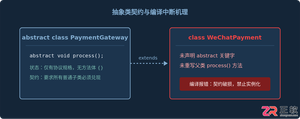
针对Java开发中常见的“子类未实现抽象方法”编译错误,深入分析报错原因,提供重写实现、声明抽象子类两种标准修复路径,并总结参数签名、访问修饰符等典型避坑要点。
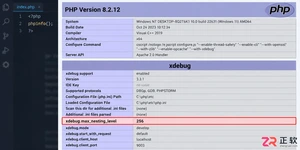
遇到PHP递归报错时,不要盲目调大max_nesting_level。本文教你区分Xdebug限制、内存耗尽和正则递归错误,提供代码级的终止条件优化与迭代替代方案,彻底解决栈溢出问题。




Shapr3D是一款面向工业设计、机械工程、建筑概念和三维打印工作流的CAD软件。Mac版采用Parasolid建模内核,支持草图约束、实体建模、工程图、可视化渲染及常见CAD格式交换,并可通过账户在多台设备之间同步项目。
REAPER是Cockos开发的数字音频工作站,提供多轨音频与MIDI录制、剪辑、处理、混音和母带制作工具。Mac版兼容Intel与Apple芯片,支持AU、VST、VST3、CLAP等插件格式,并提供高度可定制的工作流程。

Ableton Live 是面向音乐制作人与现场表演者的数字音频工作站,提供编曲视图、独具特色的现场视图、音频录制、MIDI创作、实时变速、乐器及效果器。Mac版原生支持Apple芯片,并可连接音频接口、MIDI控制器和第三方插件。


Photoshop 2026 是 Adobe 推出的专业图像处理与视觉设计软件,支持 Windows、macOS 和 iPad 等平台,广泛应用于摄影修图、电商设计、平面海报、数字绘画及视觉合成等创作场景。

Blender 是一款免费开源、跨平台的专业 3D 创作软件,集建模、动画、渲染、视频编辑与视觉合成等功能于一体,广泛应用于影视动画、游戏设计和建筑可视化等领域。软件支持 Cycles 物理渲染器与 Eevee 实时渲染引擎,并提供多边形建模、骨骼绑定、物理模拟等专业工具。Blender 兼容 Windows、macOS 和 Linux 系统,安装包轻巧、运行流畅,依托活跃的全球开发者社区持续更新,是从初学者到专业创作者都值得选择的正版 3D 创作工具。