

Python使用with语句自动管理文件资源
引言 资源管理是Python编程里绕不开的一个话题。不管是处理文件、维护网络连接,还是操作数据库,用完后都得把资源老老实实释放掉。Python的with语句提供了一个既优雅又安全的方式来自动完成这些事,尤其是在文件操作中,它的优势特别明显。 什么是with语句? with语句是Python中专门用于
引言
资源管理是Python编程里绕不开的一个话题。不管是处理文件、维护网络连接,还是操作数据库,用完后都得把资源老老实实释放掉。Python的with语句提供了一个既优雅又安全的方式来自动完成这些事,尤其是在文件操作中,它的优势特别明显。
什么是with语句?
with语句是Python中专门用于上下文管理的关键字。它的核心思想是:当你进入一段代码块时自动执行一些初始化操作,退出时再自动执行清理操作。这套机制基于上下文管理器协议,只要实现了__enter__和__exit__两个方法,任何对象都可以成为上下文管理器。
基本语法结构
with expression as variable:
    # 代码块
    pass
也可以同时管理多个上下文:
with expression1 as var1, expression2 as var2:
    # 代码块
    pass
文件操作中的传统问题
在深入讨论with之前,不妨先回顾一下传统文件操作方式有哪些让人头疼的地方。
手动关闭文件的传统方式
# 传统方式:手动打开和关闭文件
file = open('example.txt', 'r')
content = file.read()
print(content)
file.close()  # 必须手动关闭文件
写法倒是简单,但隐患不小:
- 异常安全性差:如果读取过程中抛出异常,
file.close()根本不会被执行。 - 容易忘记关闭:程序员总是有忙不完的事,一不留神就漏掉了
close()。 - 资源泄露风险:文件描述符是有限资源,不关闭的话程序跑久了系统就可能报错。
异常情况下的问题演示
def read_file_traditional(filename):
    """传统方式读取文件,展示潜在问题"""
    file = open(filename, 'r')
    try:
        content = file.read()
        # 模拟一个可能导致异常的操作
        result = 1 / 0  # 这会引发ZeroDivisionError
        return content
    finally:
        file.close()  # 即使有异常也会执行

# 调用函数
try:
    read_file_traditional('nonexistent.txt')
except Exception as e:
    print(f"捕获到异常: {e}")
虽然try-finally能解决一部分问题,但代码变得又长又绕,读起来费劲。
with语句的优势
with语句通过上下文管理器协议把这些麻烦一网打尽:
- 自动资源管理:不管有没有异常,资源都会在退出时被清理。
- 代码简洁性:大量样板代码被消除,可读性显著提升。
- 异常安全性:内置异常处理机制,不再需要手动写
try-finally。 - 一致性:所有资源的处理方式统一,规范且易维护。
使用with语句的基本文件操作
# 使用with语句读取文件
with open('example.txt', 'r') as file:
    content = file.read()
    print(content)
# 文件在此处自动关闭,无需手动调用close()

# 写入文件
with open('output.txt', 'w') as file:
    file.write('Hello, World!')
# 文件自动关闭
深入理解上下文管理器
上下文管理器协议
任何实现了__enter__和__exit__方法的对象都可以作为上下文管理器使用。看一个简单的自定义例子:
class MyContextManager:
    def __enter__(self):
        print("进入上下文")
        return self

    def __exit__(self, exc_type, exc_value, traceback):
        print("退出上下文")
        if exc_type is not None:
            print(f"发生了异常: {exc_type.__name__}: {exc_value}")
        return False  # 返回False表示不抑制异常

# 使用自定义上下文管理器
with MyContextManager() as cm:
    print("在上下文中执行代码")
    # raise ValueError("测试异常")  # 取消注释测试异常处理
__exit__方法的参数详解
__exit__方法接收四个参数:
exc_type:异常类型(没有异常则为None)exc_value:异常值(没有异常则为None)traceback:回溯对象(没有异常则为None)- 返回值:True表示抑制异常,False表示不抑制
class ExceptionSuppressor:
    def __enter__(self):
        return self

    def __exit__(self, exc_type, exc_value, traceback):
        if exc_type is not None:
            print(f"捕获并抑制了异常: {exc_type.__name__}: {exc_value}")
            return True  # 抑制异常
        return False

# 测试异常抑制
with ExceptionSuppressor():
    print("开始执行...")
    raise ValueError("这是一个测试异常")
    print("这行不会执行")

print("程序继续执行")
实际应用案例
处理多种文件格式
# 读取文本文件
def read_text_file(filename):
    with open(filename, 'r', encoding='utf-8') as file:
        return file.read()

# 写入JSON数据
import json

def write_json_data(data, filename):
    with open(filename, 'w', encoding='utf-8') as file:
        json.dump(data, file, indent=2, ensure_ascii=False)

# 读取JSON数据
def read_json_data(filename):
    with open(filename, 'r', encoding='utf-8') as file:
        return json.load(file)

# 示例使用
data = {
    "name": "张三",
    "age": 30,
    "city": "北京"
}

write_json_data(data, 'user.json')
loaded_data = read_json_data('user.json')
print(loaded_data)
处理二进制文件
# 复制二进制文件
def copy_binary_file(source, destination):
    with open(source, 'rb') as src_file:
        with open(destination, 'wb') as dst_file:
            while True:
                chunk = src_file.read(1024)  # 每次读取1KB
                if not chunk:
                    break
                dst_file.write(chunk)

# 使用示例
# copy_binary_file('source.jpg', 'destination.jpg')
同时处理多个文件
# 同时打开多个文件进行处理
def process_multiple_files(input_file, output_file, log_file):
    with open(input_file, 'r') as infile,
         open(output_file, 'w') as outfile,
         open(log_file, 'w') as logfile:

        for line_num, line in enumerate(infile, 1):
            try:
                # 处理每一行
                processed_line = line.strip().upper()
                outfile.write(processed_line + 'n')

                if line_num % 100 == 0:
                    logfile.write(f"已处理 {line_num} 行n")

            except Exception as e:
                logfile.write(f"第 {line_num} 行处理出错: {e}n")

# 创建测试数据
test_data = [f"这是第{i}行数据n" for i in range(1, 1001)]

with open('input.txt', 'w') as f:
    f.writelines(test_data)

# 处理文件
process_multiple_files('input.txt', 'output.txt', 'process.log')
高级应用场景
自定义文件锁上下文管理器
import os
import time

class FileLock:
    def __init__(self, lock_file):
        self.lock_file = lock_file

    def __enter__(self):
        # 等待获取锁
        while os.path.exists(self.lock_file):
            time.sleep(0.1)

        # 创建锁文件
        with open(self.lock_file, 'w') as f:
            f.write(str(os.getpid()))

        return self

    def __exit__(self, exc_type, exc_value, traceback):
        # 删除锁文件
        if os.path.exists(self.lock_file):
            os.remove(self.lock_file)

# 使用文件锁
def critical_operation():
    with FileLock('operation.lock'):
        print("执行关键操作...")
        time.sleep(2)  # 模拟耗时操作
        print("操作完成")

# 在不同线程或进程中调用critical_operation()
数据库连接管理
class DatabaseConnection:
    def __init__(self, connection_string):
        self.connection_string = connection_string
        self.connection = None

    def __enter__(self):
        print(f"连接到数据库: {self.connection_string}")
        # 这里应该是实际的数据库连接代码
        self.connection = f"连接对象({self.connection_string})"
        return self.connection

    def __exit__(self, exc_type, exc_value, traceback):
        print("关闭数据库连接")
        # 这里应该是实际的关闭连接代码
        self.connection = None

# 使用数据库连接
def query_database():
    with DatabaseConnection("postgresql://localhost/mydb") as conn:
        print(f"使用连接: {conn}")
        # 执行数据库查询...
        return "查询结果"

result = query_database()
网络请求上下文管理器
import urllib.request
from contextlib import contextmanager

@contextmanager
def web_request(url):
    print(f"发起请求: {url}")
    response = None
    try:
        response = urllib.request.urlopen(url)
        yield response
    except Exception as e:
        print(f"请求失败: {e}")
        raise
    finally:
        if response:
            response.close()
            print("响应已关闭")

# 使用网络请求上下文管理器
def fetch_web_content(url):
    try:
        with web_request(url) as response:
            content = response.read().decode('utf-8')
            return content[:200] + "..."  # 只返回前200个字符
    except Exception as e:
        return f"获取内容失败: {e}"

# 注意:实际使用时请替换为可访问的URL
# content = fetch_web_content('https://httpbin.org/get')
# print(content)
contextlib模块的强大功能
Python标准库中的contextlib模块提供了大量实用工具来简化上下文管理器的创建和使用。
@contextmanager装饰器
from contextlib import contextmanager
import time

@contextmanager
def timer():
    start_time = time.time()
    print("计时开始")
    try:
        yield
    finally:
        end_time = time.time()
        print(f"耗时: {end_time - start_time:.2f} 秒")

# 使用timer上下文管理器
with timer():
    time.sleep(1)  # 模拟耗时操作
    print("执行一些任务...")

@contextmanager
def temporary_change_dir(new_dir):
    import os
    old_dir = os.getcwd()
    try:
        os.chdir(new_dir)
        yield
    finally:
        os.chdir(old_dir)

# 使用临时目录切换
# with temporary_change_dir('/tmp'):
#     print(f"当前目录: {os.getcwd()}")
# print(f"恢复目录: {os.getcwd()}")
suppress上下文管理器
from contextlib import suppress
import os

# 抑制特定异常
with suppress(FileNotFoundError):
    with open('nonexistent.txt', 'r') as f:
        content = f.read()
    print("文件内容:", content)

# 抑制多个异常类型
with suppress(FileNotFoundError, PermissionError):
    os.remove('protected_file.txt')
    print("文件删除成功")
redirect_stdout和redirect_stderr
from contextlib import redirect_stdout, redirect_stderr
import io
import sys

# 重定向标准输出
output_buffer = io.StringIO()
with redirect_stdout(output_buffer):
    print("这条消息被重定向了")
    print("这条也是")

captured_output = output_buffer.getvalue()
print(f"捕获的输出: {captured_output}")

# 重定向标准错误
error_buffer = io.StringIO()
with redirect_stderr(error_buffer):
    print("错误信息", file=sys.stderr)

captured_error = error_buffer.getvalue()
print(f"捕获的错误: {captured_error}")
性能对比分析
通过一个简单的基准测试来比较不同文件操作方式的性能差异:
import time
import tempfile
import os

def traditional_file_handling(filename, iterations=1000):
    """传统文件处理方式"""
    start_time = time.time()

    for i in range(iterations):
        file = open(filename, 'a')
        file.write(f"Line {i}n")
        file.close()

    return time.time() - start_time

def with_statement_handling(filename, iterations=1000):
    """使用with语句的文件处理方式"""
    start_time = time.time()

    for i in range(iterations):
        with open(filename, 'a') as file:
            file.write(f"Line {i}n")

    return time.time() - start_time

def contextlib_handling(filename, iterations=1000):
    """使用contextlib的文件处理方式"""
    from contextlib import closing

    start_time = time.time()

    for i in range(iterations):
        with closing(open(filename, 'a')) as file:
            file.write(f"Line {i}n")

    return time.time() - start_time

# 创建临时文件进行测试
temp_file = tempfile.NamedTemporaryFile(delete=False)
temp_filename = temp_file.name
temp_file.close()

try:
    # 执行性能测试
    traditional_time = traditional_file_handling(temp_filename)
    with_time = with_statement_handling(temp_filename)
    contextlib_time = contextlib_handling(temp_filename)

    print("性能对比结果:")
    print(f"传统方式: {traditional_time:.4f} 秒")
    print(f"with语句: {with_time:.4f} 秒")
    print(f"contextlib: {contextlib_time:.4f} 秒")

finally:
    # 清理临时文件
    os.unlink(temp_filename)
渲染错误: Mermaid 渲染失败: Parse error on line 6: ... B --> B1[open()] B --> B2[rea ----------------------^ Expecting 'SQE', 'DOUBLECIRCLEEND', 'PE', '-)', 'STADIUMEND', 'SUBROUTINEEND', 'PIPE', 'CYLINDEREND', 'DIAMOND_STOP', 'TAGEND', 'TRAPEND', 'INVTRAPEND', 'UNICODE_TEXT', 'TEXT', 'TAGSTART', got 'PS'
最佳实践和注意事项
编码规范
# 推荐:明确指定编码
with open('file.txt', 'r', encoding='utf-8') as f:
    content = f.read()

# 不推荐:依赖系统默认编码
with open('file.txt', 'r') as f:
    content = f.read()

# 推荐:使用原始字符串处理路径
with open(r'C:pathtofile.txt', 'r') as f:
    content = f.read()

# 处理大文件时使用迭代器
def process_large_file(filename):
    with open(filename, 'r', encoding='utf-8') as f:
        for line in f:  # 逐行读取,避免内存溢出
            process_line(line.strip())

def process_line(line):
    # 处理单行数据
    pass
错误处理策略
def robust_file_operation(filename):
    try:
        with open(filename, 'r', encoding='utf-8') as f:
            return f.read()
    except FileNotFoundError:
        print(f"文件 {filename} 不存在")
        return None
    except PermissionError:
        print(f"没有权限访问文件 {filename}")
        return None
    except UnicodeDecodeError:
        print(f"文件 {filename} 编码错误,尝试其他编码")
        try:
            with open(filename, 'r', encoding='gbk') as f:
                return f.read()
        except Exception:
            print("无法解码文件")
            return None
    except Exception as e:
        print(f"读取文件时发生未知错误: {e}")
        return None
资源泄漏检测
import gc
import weakref

class ResourceTracker:
    def __init__(self):
        self.resources = weakref.WeakSet()

    def track(self, resource):
        self.resources.add(resource)
        return resource

    def get_leaked_resources(self):
        # 强制垃圾回收
        gc.collect()
        return len(self.resources)

# 全局资源跟踪器
tracker = ResourceTracker()

class TrackedFile:
    def __init__(self, filename, mode):
        self.file = open(filename, mode)
        self.filename = filename
        print(f"打开文件: {filename}")

    def __enter__(self):
        return tracker.track(self.file)

    def __exit__(self, exc_type, exc_value, traceback):
        print(f"关闭文件: {self.filename}")
        self.file.close()

# 使用跟踪的文件操作
with TrackedFile('test.txt', 'w') as f:
    f.write('Hello, World!')

leaked_count = tracker.get_leaked_resources()
print(f"泄漏的资源数量: {leaked_count}")
实际项目中的应用
配置文件管理器
import json
import yaml
from pathlib import Path

class ConfigManager:
    def __init__(self, config_file):
        self.config_file = Path(config_file)
        self.config = {}

    def __enter__(self):
        if self.config_file.exists():
            with open(self.config_file, 'r', encoding='utf-8') as f:
                if self.config_file.suffix.lower() == '.json':
                    self.config = json.load(f)
                elif self.config_file.suffix.lower() in ['.yml', '.yaml']:
                    self.config = yaml.safe_load(f)
        return self

    def __exit__(self, exc_type, exc_value, traceback):
        if exc_type is None:  # 只有在没有异常时才保存
            with open(self.config_file, 'w', encoding='utf-8') as f:
                if self.config_file.suffix.lower() == '.json':
                    json.dump(self.config, f, indent=2, ensure_ascii=False)
                elif self.config_file.suffix.lower() in ['.yml', '.yaml']:
                    yaml.dump(self.config, f, default_flow_style=False)

    def get(self, key, default=None):
        return self.config.get(key, default)

    def set(self, key, value):
        self.config[key] = value

# 使用配置管理器
with ConfigManager('app_config.json') as config:
    config.set('database_url', 'postgresql://localhost/mydb')
    config.set('debug', True)
    db_url = config.get('database_url')
    print(f"数据库URL: {db_url}")
日志文件处理器
import datetime
from contextlib import contextmanager

@contextmanager
def log_session(session_name, log_file='app.log'):
    timestamp = datetime.datetime.now().strftime('%Y-%m-%d %H:%M:%S')

    # 记录会话开始
    with open(log_file, 'a', encoding='utf-8') as f:
        f.write(f"[{timestamp}] 开始会话: {session_name}n")

    try:
        yield
    except Exception as e:
        # 记录异常
        error_timestamp = datetime.datetime.now().strftime('%Y-%m-%d %H:%M:%S')
        with open(log_file, 'a', encoding='utf-8') as f:
            f.write(f"[{error_timestamp}] 异常: {type(e).__name__}: {e}n")
        raise
    finally:
        # 记录会话结束
        end_timestamp = datetime.datetime.now().strftime('%Y-%m-%d %H:%M:%S')
        with open(log_file, 'a', encoding='utf-8') as f:
            f.write(f"[{end_timestamp}] 结束会话: {session_name}n")

# 使用日志会话
with log_session("数据处理任务"):
    print("开始处理数据...")
    # 模拟一些工作
    time.sleep(1)
    print("数据处理完成")
    # 如果需要测试异常处理,取消下面这行的注释
    # raise ValueError("模拟异常")
与其他语言特性的结合
与装饰器结合
from functools import wraps
from contextlib import contextmanager

@contextmanager
def performance_monitor(operation_name):
    import time
    start_time = time.time()
    print(f"开始执行: {operation_name}")
    try:
        yield
    finally:
        end_time = time.time()
        print(f"{operation_name} 完成,耗时: {end_time - start_time:.2f} 秒")

def monitored(func):
    @wraps(func)
    def wrapper(*args, **kwargs):
        with performance_monitor(func.__name__):
            return func(*args, **kwargs)
    return wrapper

@monitored
def slow_function():
    time.sleep(1)
    return "完成"

result = slow_function()
与生成器结合
def file_line_generator(filename):
    """逐行读取文件的生成器"""
    with open(filename, 'r', encoding='utf-8') as f:
        for line_number, line in enumerate(f, 1):
            yield line_number, line.strip()

# 使用生成器处理大文件
def process_large_file_with_generator(filename):
    line_count = 0
    word_count = 0

    for line_num, line in file_line_generator(filename):
        line_count += 1
        word_count += len(line.split())

        if line_num % 1000 == 0:
            print(f"已处理 {line_num} 行")

    return line_count, word_count

# 创建测试文件
test_lines = [f"这是第{i}行,包含一些测试数据n" for i in range(1, 10001)]
with open('large_test.txt', 'w', encoding='utf-8') as f:
    f.writelines(test_lines)

# 处理大文件
lines, words = process_large_file_with_generator('large_test.txt')
print(f"总行数: {lines}, 总词数: {words}")
常见陷阱和解决方案
嵌套with语句的优化
# 不推荐:过多嵌套
with open('input.txt', 'r') as infile:
    with open('output.txt', 'w') as outfile:
        with open('log.txt', 'a') as logfile:
            # 处理逻辑
            pass

# 推荐:在同一行声明多个上下文管理器
with open('input.txt', 'r') as infile,
     open('output.txt', 'w') as outfile,
     open('log.txt', 'a') as logfile:
    # 处理逻辑
    pass

# 或者使用contextlib.ExitStack
from contextlib import ExitStack

def process_with_exit_stack():
    with ExitStack() as stack:
        infile = stack.enter_context(open('input.txt', 'r'))
        outfile = stack.enter_context(open('output.txt', 'w'))
        logfile = stack.enter_context(open('log.txt', 'a'))

        # 处理逻辑
        pass
处理可选资源
from contextlib import nullcontext

def conditional_file_operation(use_log=True):
    # 根据条件选择上下文管理器
    log_context = open('operation.log', 'a') if use_log else nullcontext()

    with log_context as log_file:
        print("执行操作...")
        if log_file:
            log_file.write("操作执行成功n")

conditional_file_operation(True)
conditional_file_operation(False)
第三方库集成
与pandas集成
import pandas as pd
from contextlib import contextmanager

@contextmanager
def csv_processing_context(csv_file, output_file):
    """CSV处理上下文管理器"""
    print(f"开始处理CSV文件: {csv_file}")

    # 读取数据
    df = pd.read_csv(csv_file)
    original_shape = df.shape

    try:
        yield df
    finally:
        # 保存处理后的数据
        df.to_csv(output_file, index=False)
        print(f"处理完成,原数据形状: {original_shape},新数据形状: {df.shape}")

# 使用示例
# 创建测试数据
test_data = pd.DataFrame({
    'name': ['Alice', 'Bob', 'Charlie'],
    'age': [25, 30, 35],
    'city': ['New York', 'London', 'Tokyo']
})
test_data.to_csv('test_input.csv', index=False)

# 处理CSV文件
# with csv_processing_context('test_input.csv', 'test_output.csv') as df:
#     df['age_group'] = df['age'].apply(lambda x: 'Young' if x < 30 else 'Adult')
#     print(df.head())
与数据库库集成
# 假设使用sqlite3数据库
import sqlite3
from contextlib import contextmanager

@contextmanager
def database_transaction(db_path):
    """数据库事务上下文管理器"""
    conn = sqlite3.connect(db_path)
    try:
        yield conn
        conn.commit()  # 提交事务
        print("事务提交成功")
    except Exception as e:
        conn.rollback()  # 回滚事务
        print(f"事务回滚: {e}")
        raise
    finally:
        conn.close()

# 使用数据库事务
# with database_transaction('example.db') as conn:
#     cursor = conn.cursor()
#     cursor.execute('''CREATE TABLE IF NOT EXISTS users
#                      (id INTEGER PRIMARY KEY, name TEXT, email TEXT)''')
#     cursor.execute("INSERT INTO users (name, email) VALUES (?, ?)",
#                   ("张三", "zhangsan@example.com"))
测试和调试技巧
模拟上下文管理器行为
from unittest.mock import patch, MagicMock

def test_with_statement():
    """测试with语句的行为"""
    mock_file = MagicMock()
    mock_file.__enter__.return_value = mock_file
    mock_file.__exit__.return_value = None

    with patch('builtins.open', return_value=mock_file):
        with open('test.txt', 'r') as f:
            f.read()

    # 验证文件方法被正确调用
    mock_file.__enter__.assert_called_once()
    mock_file.read.assert_called_once()
    mock_file.__exit__.assert_called_once()

# 运行测试
test_with_statement()
print("测试通过 ✅")
调试上下文管理器
import traceback
from contextlib import contextmanager

@contextmanager
def debug_context(name):
    """调试用的上下文管理器"""
    print(f"进入上下文: {name}")
    print(f"调用栈:")
    for frame_info in traceback.extract_stack()[:-1]:
        print(f"  {frame_info.filename}:{frame_info.lineno} in {frame_info.name}")

    try:
        yield
    except Exception as e:
        print(f"在上下文 {name} 中捕获异常: {type(e).__name__}: {e}")
        raise
    finally:
        print(f"退出上下文: {name}")

# 使用调试上下文
with debug_context("主程序"):
    print("执行主要逻辑")
    with debug_context("子任务"):
        print("执行子任务")
        # raise ValueError("测试异常")  # 取消注释测试异常处理
性能优化建议
批量文件操作
from contextlib import ExitStack

def batch_file_operations(filenames, operation='read'):
    """批量文件操作优化"""
    results = []

    with ExitStack() as stack:
        files = []

        # 打开所有文件
        for filename in filenames:
            if operation == 'read':
                file_obj = stack.enter_context(open(filename, 'r', encoding='utf-8'))
            else:
                file_obj = stack.enter_context(open(filename, 'w', encoding='utf-8'))
            files.append((filename, file_obj))

        # 执行操作
        for filename, file_obj in files:
            if operation == 'read':
                content = file_obj.read()
                results.append((filename, len(content)))
            else:
                file_obj.write(f"处理文件: {filename}n")

    return results

# 创建测试文件
for i in range(5):
    with open(f'test_{i}.txt', 'w', encoding='utf-8') as f:
        f.write(f"这是测试文件 {i} 的内容n" * 10)

# 批量读取文件
results = batch_file_operations([f'test_{i}.txt' for i in range(5)], 'read')
for filename, size in results:
    print(f"{filename}: {size} 字符")
内存映射文件
import mmap

class MappedFileManager:
    def __init__(self, filename, mode='r'):
        self.filename = filename
        self.mode = mode
        self.file = None
        self.mmap_obj = None

    def __enter__(self):
        # 打开文件
        self.file = open(self.filename, 'r+b' if 'w' in self.mode else 'rb')

        # 创建内存映射
        self.mmap_obj = mmap.mmap(
            self.file.fileno(),
            0,
            access=mmap.ACCESS_WRITE if 'w' in self.mode else mmap.ACCESS_READ
        )

        return self.mmap_obj

    def __exit__(self, exc_type, exc_value, traceback):
        if self.mmap_obj:
            self.mmap_obj.close()
        if self.file:
            self.file.close()

# 使用内存映射文件
# with MappedFileManager('large_file.bin', 'w') as mm:
#     mm.write(b'Hello, Memory-Mapped World!')
安全考虑
权限检查
import os
from contextlib import contextmanager

@contextmanager
def secure_file_access(filename, mode='r'):
    """安全的文件访问上下文管理器"""

    # 检查文件是否存在
    if 'w' in mode and os.path.exists(filename):
        # 检查写权限
        if not os.access(filename, os.W_OK):
            raise PermissionError(f"没有写入权限: {filename}")
    elif 'r' in mode:
        # 检查读权限
        if not os.access(filename, os.R_OK):
            raise PermissionError(f"没有读取权限: {filename}")

    # 检查路径遍历攻击
    if '..' in filename:
        raise ValueError("不允许相对路径访问")

    with open(filename, mode, encoding='utf-8') as f:
        yield f

# 安全文件访问示例
try:
    with secure_file_access('safe_file.txt', 'w') as f:
        f.write('安全的内容')
    print("文件写入成功")
except PermissionError as e:
    print(f"权限错误: {e}")
except ValueError as e:
    print(f"安全错误: {e}")
临时文件安全管理
import tempfile
import os
from contextlib import contextmanager

@contextmanager
def secure_temp_file(suffix='', prefix='tmp'):
    """安全的临时文件管理器"""
    temp_file = None
    try:
        # 创建临时文件
        temp_file = tempfile.NamedTemporaryFile(
            suffix=suffix,
            prefix=prefix,
            delete=False
        )
        temp_filename = temp_file.name
        temp_file.close()

        # 设置安全权限
        os.chmod(temp_filename, 0o600)  # 只有所有者可读写

        yield temp_filename

    finally:
        # 确保临时文件被删除
        if temp_file and os.path.exists(temp_file.name):
            os.unlink(temp_file.name)

# 使用安全临时文件
with secure_temp_file('.txt', 'myapp_') as temp_file:
    with open(temp_file, 'w') as f:
        f.write('临时数据')
    print(f"临时文件路径: {temp_file}")
    # 文件在这里会被自动删除
现代Python特性支持
类型提示支持
from typing import ContextManager, TextIO
from contextlib import contextmanager

@contextmanager
def typed_file_manager(filename: str, mode: str = 'r') -> ContextManager[TextIO]:
    """带类型提示的文件管理器"""
    with open(filename, mode, encoding='utf-8') as f:
        yield f

# 使用带类型的上下文管理器
with typed_file_manager('example.txt', 'w') as f:
    f.write('类型安全的文件操作')
异步上下文管理器
import asyncio
from typing import AsyncContextManager
from contextlib import asynccontextmanager

@asynccontextmanager
async def async_file_manager(filename: str, mode: str = 'r') -> AsyncContextManager:
    """异步文件管理器"""
    loop = asyncio.get_event_loop()

    # 在线程池中执行阻塞的文件操作
    file_obj = await loop.run_in_executor(None, open, filename, mode)

    try:
        yield file_obj
    finally:
        await loop.run_in_executor(None, file_obj.close)

# 使用异步上下文管理器
async def async_file_operation():
    async with async_file_manager('async_example.txt', 'w') as f:
        await asyncio.get_event_loop().run_in_executor(None, f.write, '异步文件内容')

# 运行异步函数
# asyncio.run(async_file_operation())
总结和最佳实践
with语句是Python管理资源的核心机制,它不仅让代码更简洁,也大大提高了程序的健壮性和可靠性。下面是一些经过实践检验的最佳做法:
- 始终使用with语句处理文件:别再用手动
close()的方式了,让上下文管理器替你操心。 - 明确指定编码:通过
encoding参数指定字符集,避免跨平台时出现乱码。 - 合理处理异常:在必要时添加
try-except包裹,优雅地应对文件不存在、权限不足等状况。 - 用好contextlib模块:它提供的
@contextmanager、suppress、ExitStack等工具能帮你省下大量代码。 - 注意资源顺序:多个上下文管理器同时使用时,声明的顺序会影响清理的先后,需要根据实际依赖关系合理安排。
- 测试上下文行为:无论是自定义的还是标准库的上下文管理器,都最好在单元测试中覆盖正常和异常两种路径。
掌握了这些技巧,你写出来的代码会健壮得多、也容易维护得多。说到底,资源管理不只是技术细节,更是专业素养的体现。
遇到PHP递归报错时,不要盲目调大max_nesting_level。本文教你区分Xdebug限制、内存耗尽和正则递归错误,提供代码级的终止条件优化与迭代替代方案,彻底解决栈溢出问题。

本文分析PHP递归中static变量导致的状态污染及引用传递引发的共享数据修改问题。提供具体的代码复现、缓存键设计建议及调试打印技巧,帮助开发者避免隐蔽的逻辑错误。
解析PHP递归函数在树形数据处理中的性能瓶颈,提供预加载数据消除I/O、使用显式栈替代深层递归的实战方案,帮助开发者在代码可读性与执行效率间做出合理取舍。
详细讲解在Java单元测试中如何使用Mockito模拟依赖对象,包括引入依赖、创建Mock、打桩返回值、行为验证以及Mock与Spy的核心差异和常见陷阱排查。

详细分析链表删除节点的时间复杂度,深入探讨单链表与双向链表在不同已知前提下的查找与删除开销,并结合完整代码与清晰图解进行对比总结。
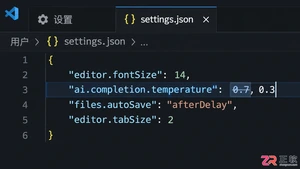
想知道如何让AI写出的代码更贴合你的习惯?本文手把手教你在VS Code中调整Codex相关模型参数,通过修改配置文件优化温度值和令牌限制,解决代码建议不准确或响应慢的问题。

通过实测展示Claude Code在终端中如何理解自然语言指令、自动修改代码文件并处理复杂编程任务,帮助开发者评估其实际辅助能力。
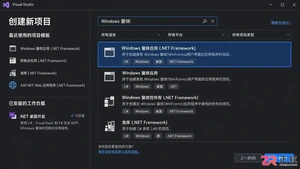
本教程详细讲解如何使用Visual Studio创建WinForms项目,通过添加按钮和标签控件并编写点击事件代码,实现一个基础的计数器功能,适合C#初学者快速上手Windows窗体应用开发。
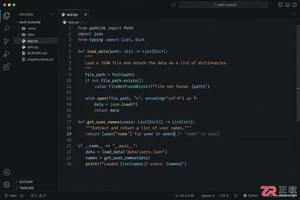
详解Cursor编辑器中自动补全功能的开启与优化设置,涵盖Tab触发机制、上下文窗口调整及模型切换,帮助开发者解决补全延迟、干扰大等问题,提升编码流畅度。
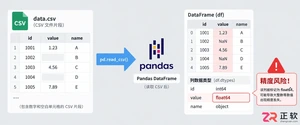
详解Pandas中数据格式转换的核心方法,包括astype强制转换、to_numeric容错处理及日期解析技巧,解决常见类型错误并提升数据处理效率。




Photoshop 2026 是 Adobe 推出的专业图像处理与视觉设计软件,支持 Windows、macOS 和 iPad 等平台,广泛应用于摄影修图、电商设计、平面海报、数字绘画及视觉合成等创作场景。

Blender 是一款免费开源、跨平台的专业 3D 创作软件,集建模、动画、渲染、视频编辑与视觉合成等功能于一体,广泛应用于影视动画、游戏设计和建筑可视化等领域。软件支持 Cycles 物理渲染器与 Eevee 实时渲染引擎,并提供多边形建模、骨骼绑定、物理模拟等专业工具。Blender 兼容 Windows、macOS 和 Linux 系统,安装包轻巧、运行流畅,依托活跃的全球开发者社区持续更新,是从初学者到专业创作者都值得选择的正版 3D 创作工具。


Photoshop 2026 是 Adobe 推出的专业图像处理与视觉设计软件,支持 Windows、macOS 和 iPad 等平台,广泛应用于摄影修图、电商设计、平面海报、数字绘画及视觉合成等创作场景。
Blender 是一款免费开源、跨平台的专业 3D 创作软件,集建模、动画、渲染、视频编辑与视觉合成等功能于一体,广泛应用于影视动画、游戏设计和建筑可视化等领域。软件支持 Cycles 物理渲染器与 Eevee 实时渲染引擎,并提供多边形建模、骨骼绑定、物理模拟等专业工具。Blender 兼容 Windows、macOS 和 Linux 系统,安装包轻巧、运行流畅,依托活跃的全球开发者社区持续更新,是从初学者到专业创作者都值得选择的正版 3D 创作工具。