

Boost-python封装Cpp代码供Python调用
Boost.Python是连接C++与Python的成熟桥梁工具,通过封装函数和类可生成Python可调用模块,实现双向交互。它支持重载、默认参数和继承等特性,使开发高效。封装过程看似简单,但需注意类型转换、异常处理、内存管理等常见陷阱,避免运行时错误,确保程序稳定。
在Python中调用C++代码时,Boost.Python是一个非常成熟的桥梁工具。下面通过几个简单的示例,展示如何将C++函数和类封装成Python可调用的模块。这些示例本身不难,但对于第一次接触的朋友来说,有些细节确实容易踩坑,值得逐一拆开看看。
封装一个单一的函数
#include
#include
#include
#include
#include
using namespace boost::python;
using namespace std;

void HelloWorld()
{
    cout << "HelloWorld!" << endl;
}

BOOST_PYTHON_MODULE(CToPython)
{
    def("hello", HelloWorld, "Print HelloWorld!");
}
带参数的单一函数
void HelloWorld(string out, string put)
{
    cout << out + put << endl;
}

BOOST_PYTHON_MODULE(CToPython)
{
    def("hello", HelloWorld, args("x", "y"), "Print HelloWorld!");
}注意:BOOST_PYTHON_MODULE(...) 中的名称必须和工程项目名称保持一致。而 args 参数的作用,是将 C++ 函数形参的名字映射到 Python 函数的形参名。举个例子,C++ 函数 HelloWorld(string out, string put) 经过映射后,在 Python 中调用时实际使用的是 hello(x, y)。
封装一个类
#include
#include
#include
#include
#include
#include
using namespace boost::python;
using namespace std;

class helloworld
{
public:
    string name;
    string talk;

public:
    helloworld()
    {
        name = "hua";
        talk = "HelloWorld!";
    }
    helloworld(string n, string t)
    {
        name = n;
        talk = t;
    }

    void set_name(string n) { name = n; }
    void set_talk(string t) { talk = t; }
    string get_name() { return name; }
    string get_talk() { return talk; }
};

BOOST_PYTHON_MODULE(CToPython)
{
    class_("helloworld", init<>())
        .def(init())
        .def_readonly("name", &helloworld::name)
        // .def_readwrite("name", &helloworld::name)
        .def_readwrite("talk", &helloworld::talk)
        .def("set_name", &helloworld::set_name)
        .def("set_talk", &helloworld::set_talk)
        .def("get_name", &helloworld::get_name)
        .def("get_talk", &helloworld::get_talk);
}
封装类的时候,记得加上头文件 #include。构造函数方面:如果默认构造没有参数,用 init<>();如果有参数,比如 init,只需写明参数类型即可。成员变量可以直接暴露给 Python,但必须保证它们是公有的。通过访问控制可以限定读写权限:def_readonly() 表示只读,def_readwrite() 表示可读可写。至于 C++ 成员函数的参数,封装时不需要额外指定,直接写函数名就行——返回值如果不是特殊类型,也一样不需要刻意声明。
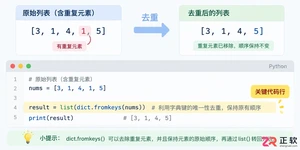
学习如何使用Python高效删除列表中的重复元素。本文提供5种常见方法的代码示例,涵盖保持顺序与不保持顺序的场景,适合初学者和进阶开发者参考。
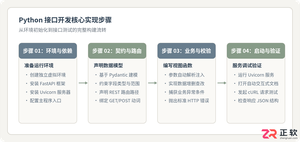
详细讲解使用Python编写Web接口的核心步骤与完整代码示例,涵盖环境准备、路由定义、数据校验、服务启动及调试测试方法。
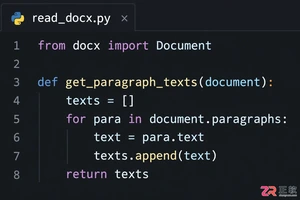
介绍如何利用编程工具读取和解析Word文档(docx格式),涵盖基础文本提取代码示例、结构化数据处理逻辑,以及处理复杂排版时的技术局限与替代方案。
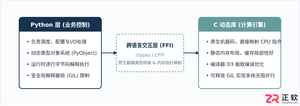
详细讲解在Python中调用C语言代码提升性能的完整实践指南,包含原理分析、编译步骤、ctypes与CFFI具体实现、性能对比及常见陷阱。
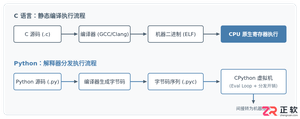
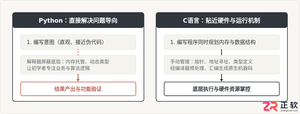
客观对比Python与C语言在心智负担、底层机制与学习反馈上的核心差异,提供清晰有据的选择标准与切实的入门学习路径。
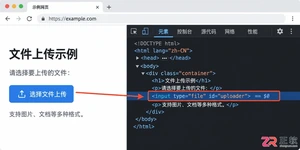
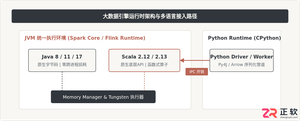
针对大数据工程场景,系统对比Java、Scala与Python在执行性能、生态结合、开发效率和维护成本上的核心差异,给出清晰的架构选型依据与落地方案。
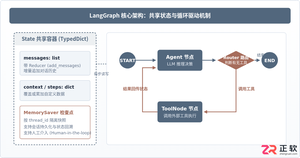
本篇LangGraph Python中文入门教程详解,系统梳理StateGraph状态机定义、节点编写、边与条件路由、检查点持久化(MemorySaver)等核心机制,提供从环境安装到完整循环智能体构建的代码示例与实操指导。
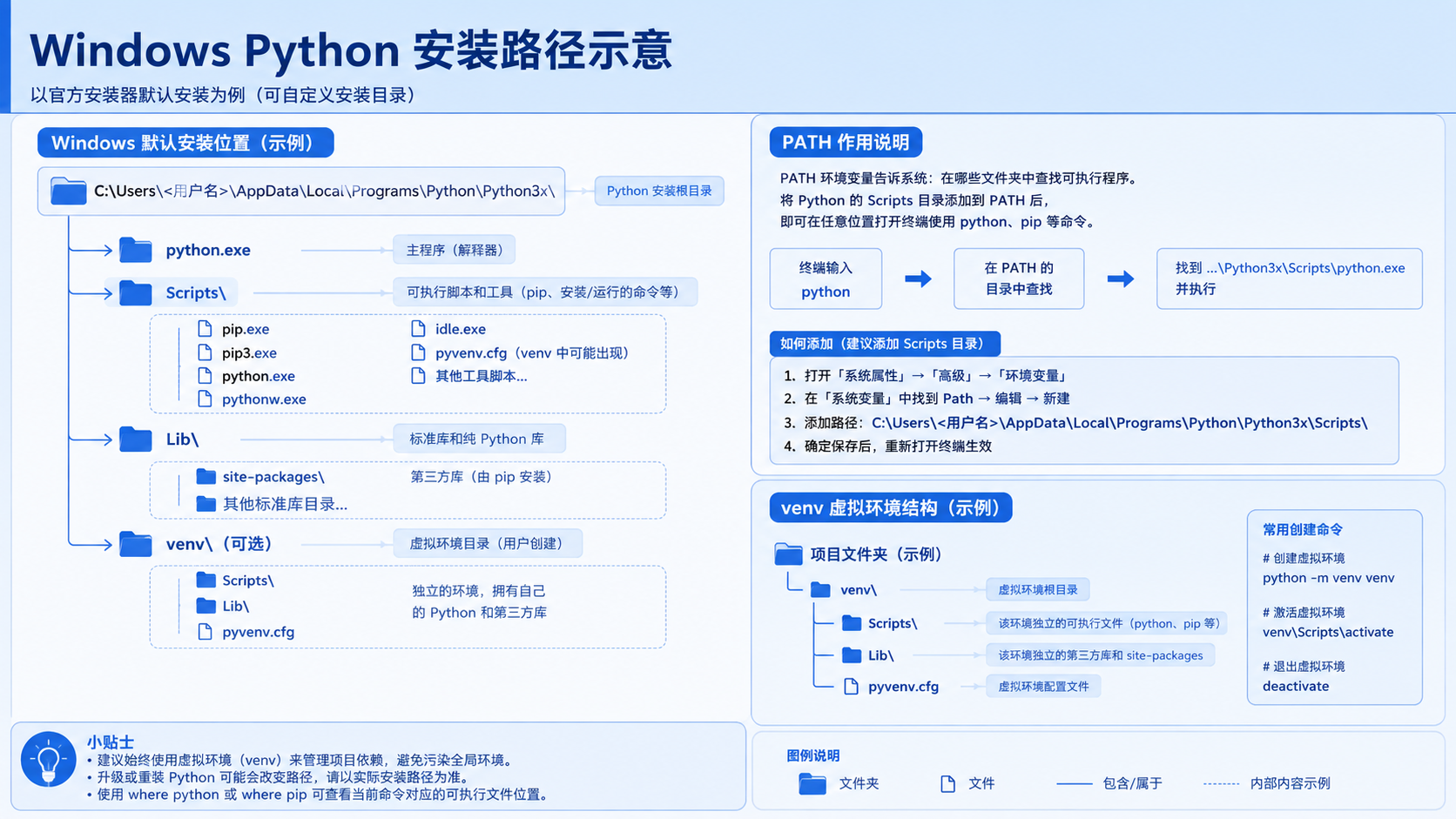
面向后端开发者,基于 Python 官方文档说明如何在 Windows 上安装 Python、创建 venv 虚拟环境及使用 pip 管理依赖。包含可复制命令、验证方法及工具选择边界,避免常见配置误区。





火山引擎是字节跳动旗下企业级云与AI服务平台。聚焦大模型核心能力,依托字节自研豆包多模态大模型,凭借火山方舟一站式平台,提供模型精调、推理部署、智能应用搭建等全链路服务,结合高性能AI算力,助力各行业快速落地大模型数字化与智能化应用。