

如何在 Java 中实现定时任务并支持超时自动终止
使用ScheduledExecutorService调度周期性任务,通过Future.get(timeout)实现超时控制,超时后调用Future.cancel(true)发送中断信号。任务内需定期检查中断状态或捕获InterruptedException,协作式终止执行,避免资源泄漏。调度与执行应使用独立线程池解耦。
本文介绍使用 ScheduledExecutorService 实现周期性任务调度,并通过协作式中断机制(配合 Future.cancel(true) 和任务内中断检测)安全实现单次执行的超时控制,避免强制终止线程带来的资源泄漏与状态不一致风险。
在 Ja va 并发编程中,一个很常见的需求是:以固定间隔(比如每 10 秒)触发一个任务,但每次执行必须在指定时限内完成(例如最多运行 5 秒),超时则主动终止该次执行。但得先说明一点:Ja va 并不支持强制杀死线程(Thread.stop() 早已被废弃且极度危险),所以我们必须采用“协作式取消”的思路——也就是任务自身要主动响应中断信号,优雅地退出。
推荐方案:ScheduledExecutorService + Future + 可中断逻辑
这个方案的核心思路其实很清晰,我们来拆解一下:
- 使用 ScheduledExecutorService 来安排周期性调度;
- 每次调度时,提交一个带超时控制的 Future 任务(通过 executor.submit(Runnable) 获取 Future 对象);
- 启动一个独立线程来监控这个 Future,调用 future.get(5, TimeUnit.SECONDS) 实现阻塞等待,如果超时则抛出异常;
- 一旦超时,就调用 future.cancel(true) 尝试中断执行线程——但请注意,这仅当任务处于可中断状态时才会生效;
- 最关键的一步:任务代码中必须定期检查 Thread.interrupted() 或响应 InterruptedException,并在检测到中断后优雅地退出,而不是硬扛着不放手。
代码示例
import ja va.util.concurrent.*;import ja va.time.LocalDateTime;

public class IntervalTaskWithTimeout {
    private static final ScheduledExecutorService scheduler =
        Executors.newSingleThreadScheduledExecutor();
    private static final ExecutorService worker =
        Executors.newSingleThreadExecutor();

    public static void main(String[] args) {
        // 每 10 秒触发一次调度(初始延迟 0)
        scheduler.scheduleAtFixedRate(() -> {
            Future future = worker.submit(() -> {
                long start = System.currentTimeMillis();
                System.out.println("[" + LocalDateTime.now() + "] Task started");

                // 模拟可能超时的计算(例如网络请求、文件处理等)
                while (System.currentTimeMillis() - start < 8_000) { // 故意设为 8s > 5s 时限
                    if (Thread.currentThread().isInterrupted()) {
                        System.out.println("[" + LocalDateTime.now() + "] Task interrupted — exiting gracefully");
                        return;
                    }
                    try {
                        Thread.sleep(500); // 可中断操作,会响应 interrupt
                    } catch (InterruptedException e) {
                        System.out.println("[" + LocalDateTime.now() + "] Task caught InterruptedException");
                        Thread.currentThread().interrupt(); // 恢复中断状态
                        return;
                    }
                }
                System.out.println("[" + LocalDateTime.now() + "] Task completed normally");
            });

            // 等待最多 5 秒;超时则尝试取消
            try {
                future.get(5, TimeUnit.SECONDS);
            } catch (TimeoutException e) {
                System.out.println("[" + LocalDateTime.now() + "] Execution timed out — cancelling...");
                boolean cancelled = future.cancel(true); // 中断正在运行的线程
                System.out.println("Cancelled: " + cancelled);
            } catch (ExecutionException | InterruptedException e) {
                e.printStackTrace();
            }
        }, 0, 10, TimeUnit.SECONDS);
    }
}
实际操作中的几个关键提醒
这个方案虽然好用,但有几个坑需要提前避开:
- Future.cancel(true) 不等于“立即停止”:它只向目标线程发送一个中断信号(Thread.interrupt())。如果任务里没有进行任何可中断的操作(比如 sleep、wait、join、BlockingQueue.take() 等),也没有主动轮询 Thread.interrupted(),那么这个中断信号就会被静默忽略,等于白忙活一场。
- 对于不可中断的 CPU 密集型任务,需要自己设计退出点:比方说,在长循环中插入 if (Thread.interrupted()) return; 这样的检查,让任务有机会响应中断。
- 务必注意共享资源的释放:如果任务持有锁、打开了文件或数据库连接,记得在中断路径中正确释放资源,推荐使用 try-finally 或 try-with-resources 来确保万无一失。
- 线程池的选择有讲究:
- ScheduledExecutorService 只用来做调度,千万不要直接在上面执行耗时或可能阻塞的任务,否则会阻塞整个调度器,后面的任务都跟着遭殃;
- 实际的工作任务应该提交给独立的 ExecutorService(比如示例中的 worker),这样调度与执行就解耦了,各司其职。
总结
| 目标 | 推荐方式 |
|---|---|
| 周期性执行 | ScheduledExecutorService.scheduleAtFixedRate() |
| 单次执行超时控制 | Future.get(timeout) + Future.cancel(true) |
| 安全终止任务 | 任务内响应中断(检查 isInterrupted() / 捕获 InterruptedException) |
牢记一点:Ja va 的线程取消永远是协作式的。在设计任务时,就应该把“可中断性”当作第一公民,而不是依赖外部强制干预。只有这样,才能既满足定时与超时的需求,又能保障整个系统的健壮性与资源安全性。

详解如何在 Windows 电脑上通过 Microsoft Store 安装 Codex 桌面应用,包括启动登录、切换 Codex 模式、关联本地代码项目及终端环境配置的界面操作指引。
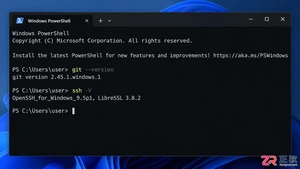
本文详解如何在Windows环境中使用PowerShell生成SSH密钥对,配置ssh-agent自动加载私钥,并将公钥安全添加至GitHub账户,最后通过git remote set-url切换为SSH地址,解决每次操作需输入账号密码的问题。
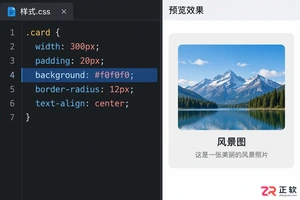
深入解析backdrop与background在网页开发及视觉设计中的区别。通过CSS代码示例,展示如何正确使用background设置元素背景,以及利用backdrop-filter创建弹窗遮罩模糊效果,避免概念混用。
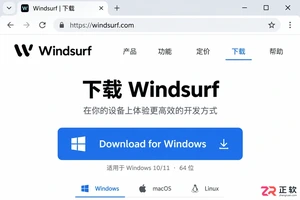
详解 Windsurf IDE 在 Windows 系统的下载来源、安装步骤及首次启动界面。指导用户如何导入编辑器设置、打开项目文件夹及使用终端与 AI 功能,适合初次接触该工具的开发者阅读。
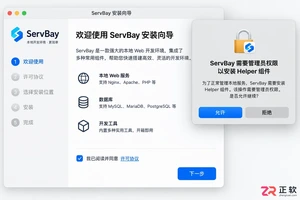
新手入门 ServBay 本地开发环境,详解安装包下载、Dashboard 状态监控、Packages 组件安装、Services 服务控制及 Websites 项目配置。掌握 .servbay.config 版本管理与日志排查技巧,快速搭建稳定的 PHP、Node.js 等多语言开发环境。
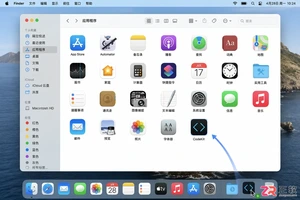
详解 CodeKit 在 macOS 下的安装步骤、项目导入方法、Sass与JavaScript编译设置及浏览器自动刷新功能,助您快速搭建高效的前端开发环境。
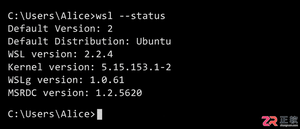
详解Windows环境下安装OpenAI Codex CLI的步骤,包括WSL环境检查、Node.js/npm配置、npm全局安装命令及首次启动验证,适合开发者快速上手。
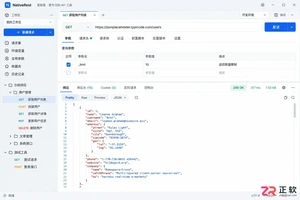
学习如何配置 NativeRest REST API 客户端。涵盖 Windows/macOS/Linux 安装后的工作区创建、环境变量管理、请求编辑及响应查看步骤,帮助开发者快速完成基础环境搭建与连通性测试。
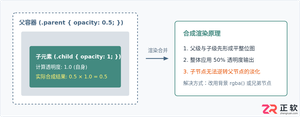
深入解析CSS中设置透明度的核心属性opacity,剖析子元素继承、事件穿透、层叠上下文等关键注意事项,并提供与rgba、hsla的实用选型对比。




Shapr3D是一款面向工业设计、机械工程、建筑概念和三维打印工作流的CAD软件。Mac版采用Parasolid建模内核,支持草图约束、实体建模、工程图、可视化渲染及常见CAD格式交换,并可通过账户在多台设备之间同步项目。

REAPER是Cockos开发的数字音频工作站,提供多轨音频与MIDI录制、剪辑、处理、混音和母带制作工具。Mac版兼容Intel与Apple芯片,支持AU、VST、VST3、CLAP等插件格式,并提供高度可定制的工作流程。

Ableton Live 是面向音乐制作人与现场表演者的数字音频工作站,提供编曲视图、独具特色的现场视图、音频录制、MIDI创作、实时变速、乐器及效果器。Mac版原生支持Apple芯片,并可连接音频接口、MIDI控制器和第三方插件。


Photoshop 2026 是 Adobe 推出的专业图像处理与视觉设计软件,支持 Windows、macOS 和 iPad 等平台,广泛应用于摄影修图、电商设计、平面海报、数字绘画及视觉合成等创作场景。

Blender 是一款免费开源、跨平台的专业 3D 创作软件,集建模、动画、渲染、视频编辑与视觉合成等功能于一体,广泛应用于影视动画、游戏设计和建筑可视化等领域。软件支持 Cycles 物理渲染器与 Eevee 实时渲染引擎,并提供多边形建模、骨骼绑定、物理模拟等专业工具。Blender 兼容 Windows、macOS 和 Linux 系统,安装包轻巧、运行流畅,依托活跃的全球开发者社区持续更新,是从初学者到专业创作者都值得选择的正版 3D 创作工具。