

inotify在多线程环境中如何工作
inotify是Linux内核文件系统事件监控机制。多线程环境下,通常由一个线程专门读取事件数据,其他线程负责处理。需注意线程安全、缓冲区大小调整及正确解析事件结构,以实现高效实时监控。
inotify 是 Linux 内核提供的一种文件系统事件监控机制,它允许应用程序实时监控文件或目录的变化,比如创建、删除、修改等。在多线程环境中用好 inotify,能显著提升程序的响应速度和整体效率。那么,具体该怎么做?
先从实际项目说起,通常的操作步骤可以分成下面这几个环节。
1. 初始化 inotify
一切开始前,得先启动一个 inotify 实例,拿到一个文件描述符。这是后续所有操作的基础。
#include
#include

int fd = inotify_init();
if (fd == -1) {
    perror("inotify_init");
    return -1;
}
2. 添加监控
有了文件描述符,接下来就可以指定要监控的文件或目录了。
int wd = inotify_add_watch(fd, "/path/to/directory", IN_MODIFY | IN_CREATE | IN_DELETE);
if (wd == -1) {
    perror("inotify_add_watch");
    close(fd);
    return -1;
}
3. 多线程处理事件
这是整个玩法的核心。你可以创建多个线程来分担压力——通常一个线程专门负责读取事件,其他线程则负责处理具体的事件内容。
3.1 读取事件
先写一个线程函数,专门从 inotify 文件描述符中读取事件数据。缓冲区大小可以按需调整,这里给个4MB的示例。
#include
#include
#include

#define BUFFER_SIZE (4096 * 1024) // 4MB buffer size

void* read_events(void* arg) {
    int fd = *(int*)arg;
    char buffer[BUFFER_SIZE];
    ssize_t length;

    while (1) {
        length = read(fd, buffer, BUFFER_SIZE);
        if (length == -1) {
            perror("read");
            break;
        }
        // 把读到的数据传递给处理函数
        process_events(buffer, length);
    }
    return NULL;
}

void process_events(char* buffer, ssize_t length) {
    char* ptr = buffer;
    while (ptr < buffer + length) {
        struct inotify_event* event = (struct inotify_event*)ptr;
        printf("Event: mask=%d, name=%s\n", event->mask, event->name);
        ptr += sizeof(struct inotify_event) + event->len;
    }
}
3.2 启动线程
然后在主函数里创建并启动这个读取线程。
int main() {
    int fd = inotify_init();
    if (fd == -1) {
        perror("inotify_init");
        return -1;
    }

    int wd = inotify_add_watch(fd, "/path/to/directory", IN_MODIFY | IN_CREATE | IN_DELETE);
    if (wd == -1) {
        perror("inotify_add_watch");
        close(fd);
        return -1;
    }

    pthread_t thread;
    pthread_create(&thread, NULL, read_events, &fd);

    // 如果需要等待线程结束,可以 join
    pthread_join(thread, NULL);
    close(fd);
    return 0;
}
4. 处理事件
process_events 函数是事件处理的入口。你需要从这里解析出每个事件的类型(mask 字段)和关联的文件名(name 字段),然后根据业务逻辑做相应处理。
5. 清理
最后,别忘了收尾——关闭 inotify 文件描述符,释放资源。
close(fd);注意事项
整个流程看起来不算复杂,但有几个点得注意:
- 线程安全:多线程环境下,对共享资源的访问一定要做好同步,避免数据混乱。
- 缓冲区大小:根据实际应用场景调整缓冲区大小,太小可能丢事件,太大浪费内存。
- 事件解析:正确解析 inotify 事件结构很重要,不同
mask值代表不同的事件类型,处理逻辑也得对号入座。
从经验来看,遵循这几个步骤,就能在多线程环境中把 inotify 用得挺顺手,真正实现高效的文件系统监控。

详解如何在 Windows 电脑上通过 Microsoft Store 安装 Codex 桌面应用,包括启动登录、切换 Codex 模式、关联本地代码项目及终端环境配置的界面操作指引。
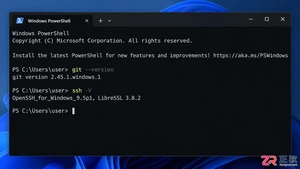
本文详解如何在Windows环境中使用PowerShell生成SSH密钥对,配置ssh-agent自动加载私钥,并将公钥安全添加至GitHub账户,最后通过git remote set-url切换为SSH地址,解决每次操作需输入账号密码的问题。
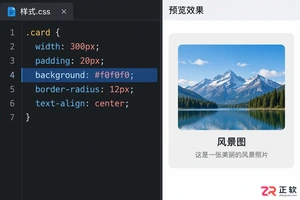
深入解析backdrop与background在网页开发及视觉设计中的区别。通过CSS代码示例,展示如何正确使用background设置元素背景,以及利用backdrop-filter创建弹窗遮罩模糊效果,避免概念混用。
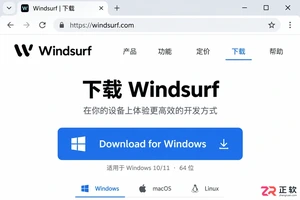
详解 Windsurf IDE 在 Windows 系统的下载来源、安装步骤及首次启动界面。指导用户如何导入编辑器设置、打开项目文件夹及使用终端与 AI 功能,适合初次接触该工具的开发者阅读。
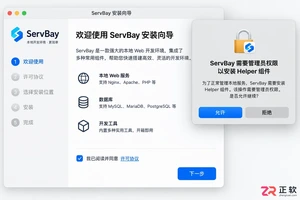
新手入门 ServBay 本地开发环境,详解安装包下载、Dashboard 状态监控、Packages 组件安装、Services 服务控制及 Websites 项目配置。掌握 .servbay.config 版本管理与日志排查技巧,快速搭建稳定的 PHP、Node.js 等多语言开发环境。
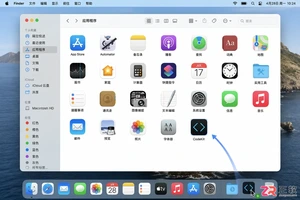
详解 CodeKit 在 macOS 下的安装步骤、项目导入方法、Sass与JavaScript编译设置及浏览器自动刷新功能,助您快速搭建高效的前端开发环境。
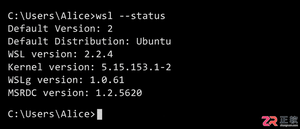
详解Windows环境下安装OpenAI Codex CLI的步骤,包括WSL环境检查、Node.js/npm配置、npm全局安装命令及首次启动验证,适合开发者快速上手。
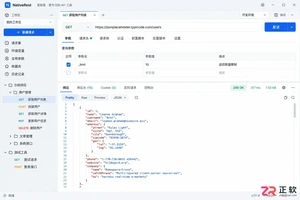
学习如何配置 NativeRest REST API 客户端。涵盖 Windows/macOS/Linux 安装后的工作区创建、环境变量管理、请求编辑及响应查看步骤,帮助开发者快速完成基础环境搭建与连通性测试。
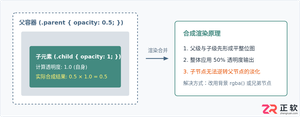
深入解析CSS中设置透明度的核心属性opacity,剖析子元素继承、事件穿透、层叠上下文等关键注意事项,并提供与rgba、hsla的实用选型对比。




WPS Office是一款面向macOS用户的综合办公套件,将文字处理、电子表格、演示文稿、PDF工具、模板与云协作整合在同一应用中。它兼容常见Microsoft Office格式,支持Intel及Apple芯片Mac,基础功能可免费使用,

Shapr3D是一款面向工业设计、机械工程、建筑概念和三维打印工作流的CAD软件。Mac版采用Parasolid建模内核,支持草图约束、实体建模、工程图、可视化渲染及常见CAD格式交换,并可通过账户在多台设备之间同步项目。

REAPER是Cockos开发的数字音频工作站,提供多轨音频与MIDI录制、剪辑、处理、混音和母带制作工具。Mac版兼容Intel与Apple芯片,支持AU、VST、VST3、CLAP等插件格式,并提供高度可定制的工作流程。

Adobe Photoshop 是面向摄影师、设计师和内容创作者的专业图像处理工具,可在 Windows 上完成照片修饰、选区抠图、图层合成、文字排版、绘画及生成式编辑。软件采用订阅授权,由 Creative Cloud 管理安装、更新与许

Adobe InDesign 是面向印刷与数字出版的专业页面排版工具,可制作书籍、杂志、宣传册、海报、交互式 PDF 和电子书。它提供精细的文字样式、多页面管理、印前检查及多格式输出能力,并能与 Photoshop、Illustrator

Adobe Illustrator 是用于绘制矢量图形、插画、图标、徽标和版式的专业设计工具。它以路径和锚点为核心,作品放大后仍能保持清晰,并提供画板、文字、渐变、图像描摹及精确变换等功能,适合品牌视觉、印刷物料、数字界面和商业插画创作。